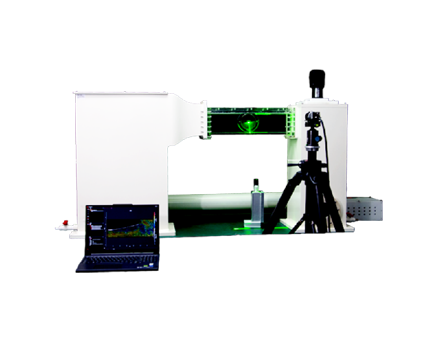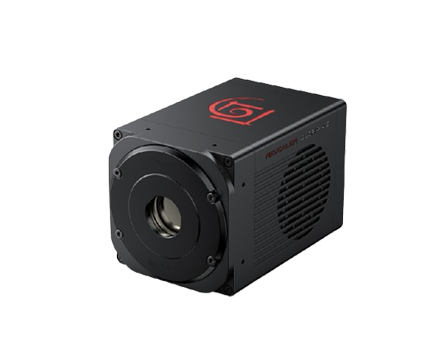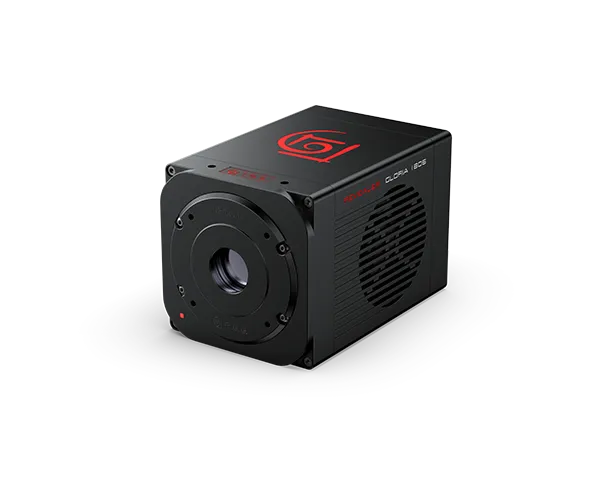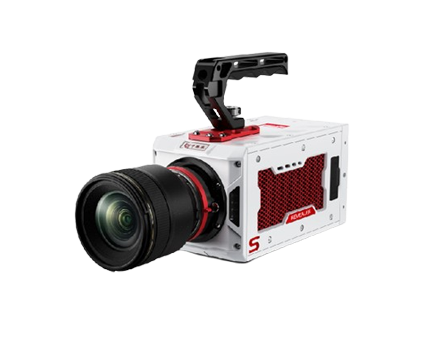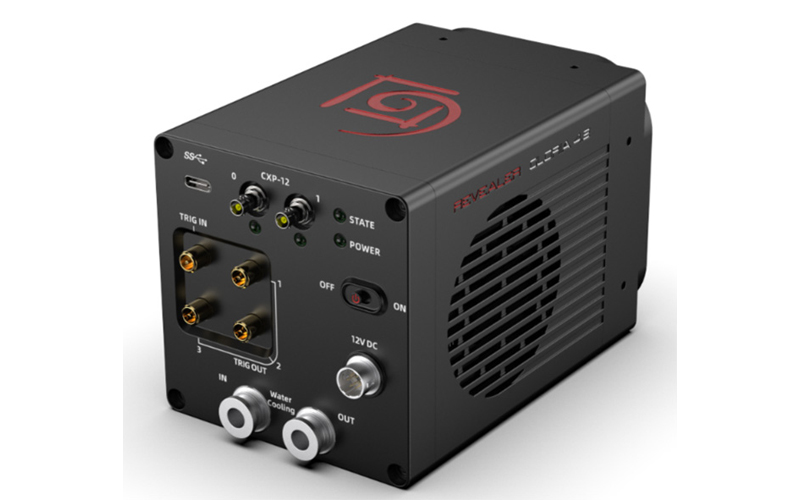
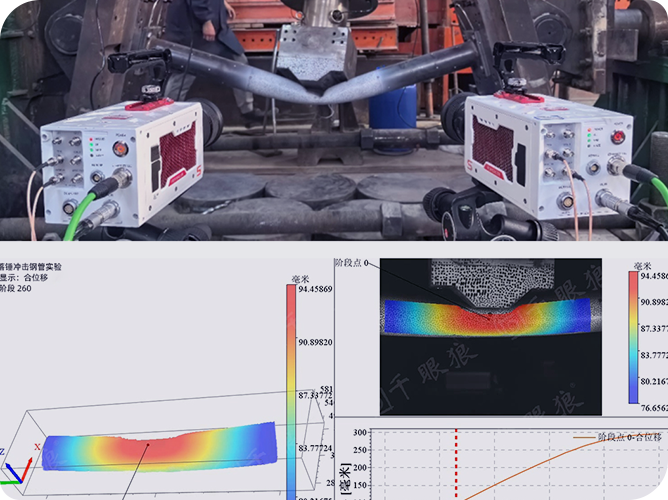
A high speed camera is essential in automotive safety testing, capturing rapid events such as airbag deployment, crash simulations, and seatbelt performance. By recording at thousands of frames per second, the camera allows engineers to analyze the sequence of events in detail, ensuring that safety mechanisms function correctly under extreme conditions.
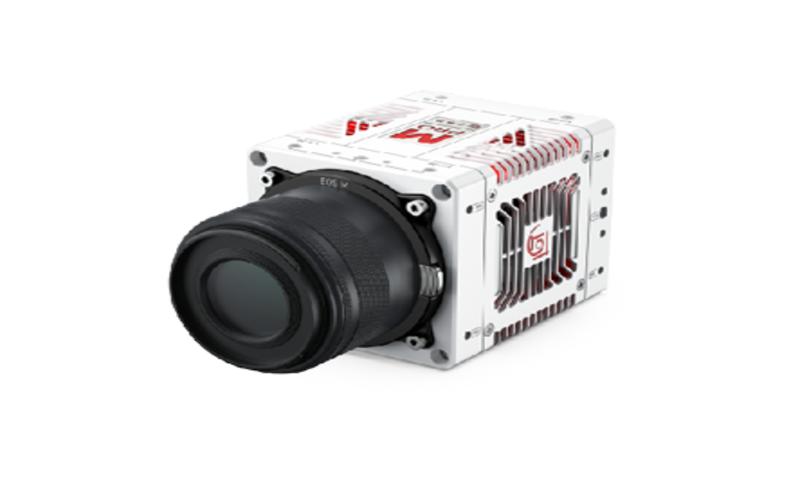
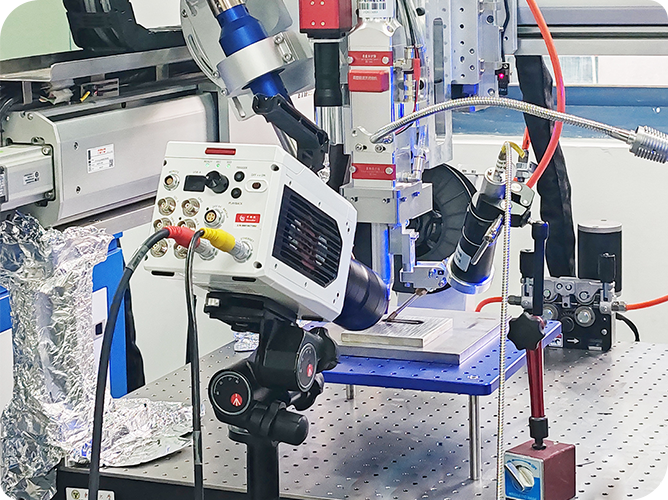
In manufacturing and industrial settings, a high speed camera monitors fast-moving components on production lines. It helps identify issues like misalignments, jams, or defects in real-time. This capability is crucial for maintaining product quality and minimizing downtime, leading to more efficient and reliable manufacturing processes.
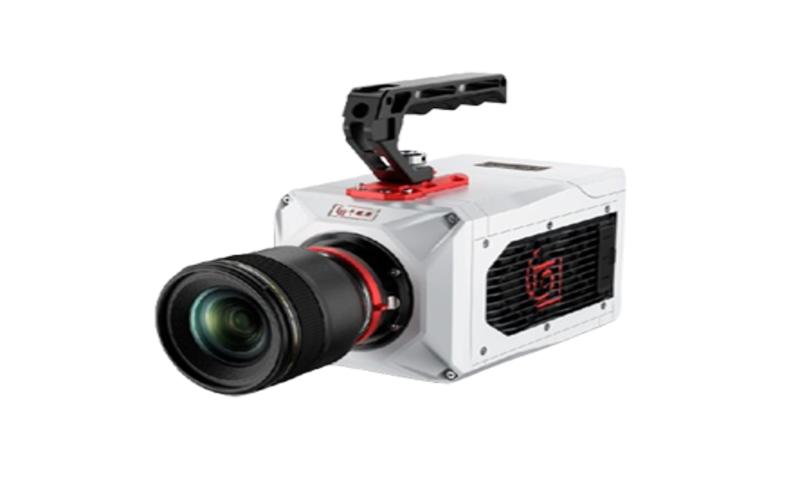
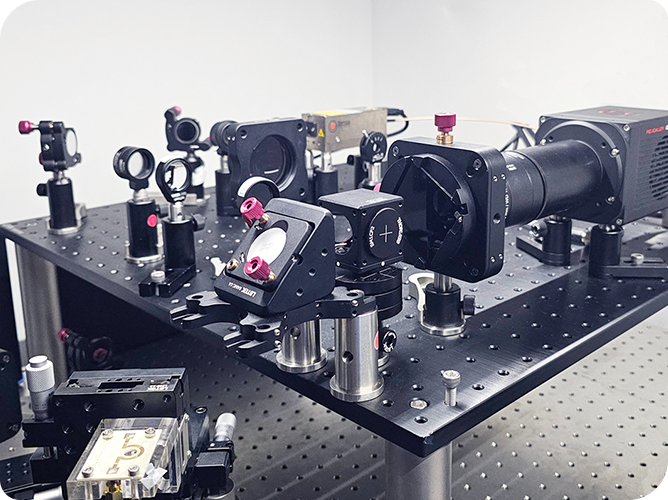
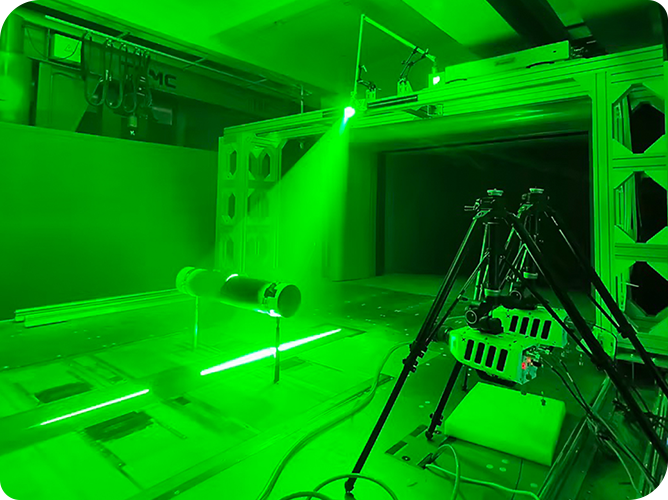
Researchers utilize a high speed camera to study fluid dynamics, combustion processes, and material behaviors under stress. The camera captures phenomena that occur too quickly for the human eye, such as shockwave propagation, droplet formation, and chemical reactions, providing valuable data for scientific analysis and innovation.
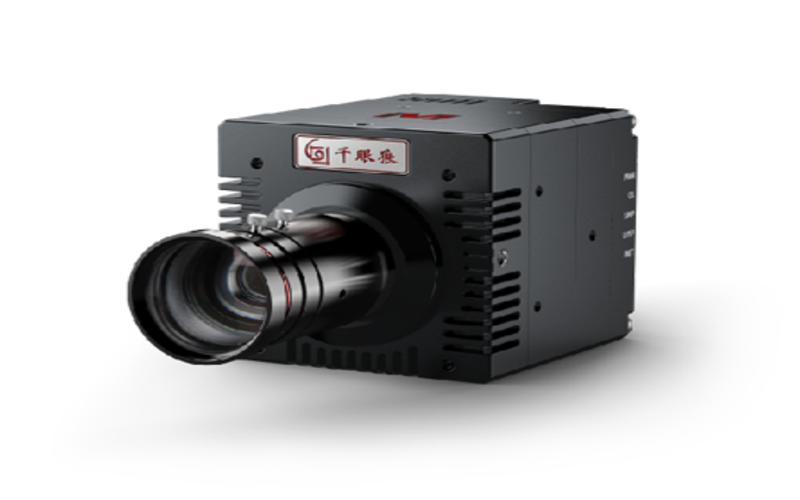
In sports science and biomechanics, a high speed camera records athletes' movements to analyze performance and technique. It captures motions like sprinting, jumping, or swimming at high frame rates, allowing for detailed examination of posture, stride, and muscle engagement, which is vital for training and injury prevention.
| Application Area | Key Benefits |
|---|---|
| Automotive Safety Testing | Detailed analysis of crash events and safety features |
| Industrial Process Monitoring | Real-time detection of production line issues |
| Scientific Research | Observation of rapid physical and chemical processes |
| Sports and Biomechanics | In-depth movement analysis for performance optimization |
A high speed camera serves as a powerful tool across various fields, from enhancing automotive safety to advancing scientific research. Its ability to capture high-resolution images at rapid frame rates enables professionals to analyze and understand phenomena that occur too quickly for the naked eye, leading to improved designs, processes, and performances.
 English
 Deutsch