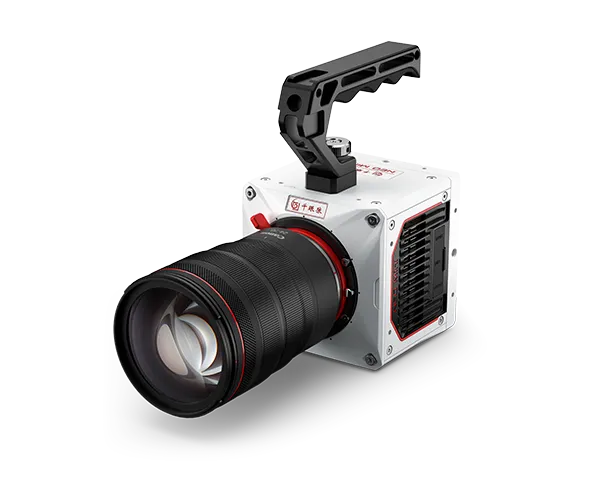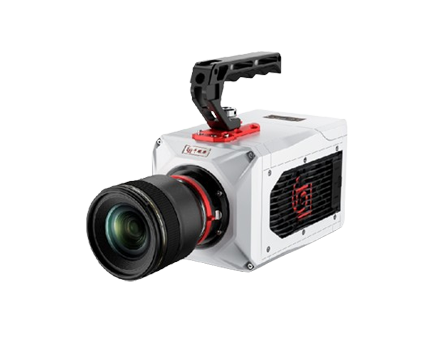
If you’re exploring the world of scientific imaging, you’ve likely come across scientific CMOS (sCMOS) cameras. These powerful tools are game-changers for researchers, astronomers, and microscopists who need high-quality images in challenging conditions. But what exactly makes sCMOS cameras stand out? This guide dives into the nuts and bolts of sCMOS technology, how it differs from standard CMOS, and why it’s a top choice for scientific applications. We’ll also explore its practical uses and help you decide if an sCMOS camera is right for your work.
Quantum Efficiency (QE): Up to 95% (Back-illuminated models).
Read Noise: Low as 1.0 - 1.5 electrons (Standard CMOS is 5-10e-).
Resolution: High density (4.2MP to 21MP+).
Data Interface: 10GbE or Camera Link for high-speed throughput.
Cooling: Thermoelectric (TE) cooling to reduce dark current.
A scientific CMOS (sCMOS) camera is a specialized imaging device designed for high-performance scientific applications. Unlike the CMOS sensors in your smartphone, sCMOS cameras are engineered for precision, offering low noise, high speed, and exceptional image quality. They use a unique architecture with dual amplifiers per pixel column, allowing simultaneous high and low gain readouts to capture both bright and dim signals in one shot. This makes them ideal for demanding tasks like capturing faint biological signals or distant stars.
Standard CMOS sensors often suffer from a trade-off between speed and noise. sCMOS overcomes this by utilizing Correlated Double Sampling (CDS) and dual-column amplifiers. This architecture allows for a 'High Gain' path to minimize read noise and a 'Low Gain' path to maximize well capacity, providing a 16-bit high-dynamic-range (HDR) image in a single frame.
Insight: sCMOS cameras bridge the gap between speed and sensitivity, making them versatile for labs needing both high-quality stills and fast video capture.
You might be wondering: if CMOS is in my phone, what’s so special about sCMOS? Here’s the breakdown:
· Noise: Standard CMOS sensors have higher read noise (5-10 electrons), while sCMOS achieves 1-2 electrons, crucial for low-light imaging.
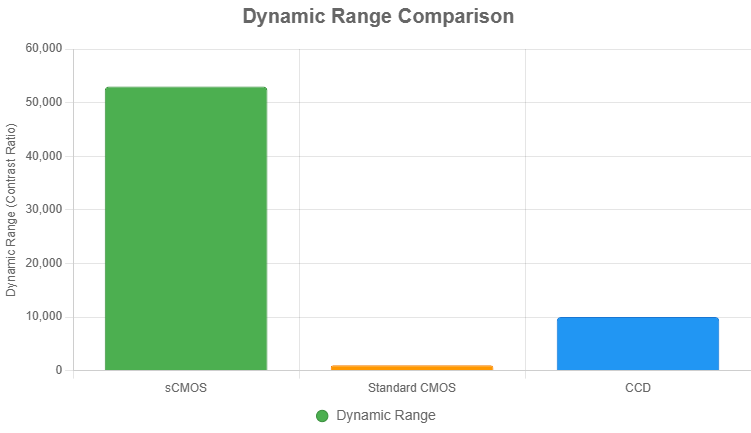
· Dynamic Range: sCMOS cameras offer a 16-bit dynamic range (up to 53,000:1), far surpassing the 10-12-bit range of standard CMOS.
· Speed: sCMOS uses parallel readout for frame rates over 100 fps, compared to slower sequential readouts in many standard CMOS sensors.
· Purpose: Standard CMOS is built for consumer devices (e.g., webcams, phones), while sCMOS is optimized for scientific precision.
Insight: If you’re moving from consumer-grade imaging to scientific research, sCMOS cameras provide the clarity and speed needed for professional-grade results.
| Feature | sCMOS Camera | Standard CMOS Camera |
| Read Noise | 1-2 e- (Extreme Precision) | 5-10 e- (Standard) |
| Dynamic Range | 16-bit (up to 53,000:1) | 10-12 bit (~1,000:1) |
| Quantum Efficiency | Up to 95% (Scientific Grade) | 50-70% (Consumer Grade) |
| Exposure Control | Global & Rolling Shutter options | Usually Rolling Shutter only |
| Cost Consideration | Premium investment for R&D | Cost-effective for basic tasks |
Let’s unpack what makes sCMOS cameras a powerhouse for scientific imaging.
sCMOS cameras achieve read noise as low as 1-2 electrons, thanks to their advanced sensor design. This low noise is critical for capturing clear images in low-light conditions, like fluorescence microscopy or faint astronomical objects.
Insight: For applications where noise can obscure critical details, sCMOS cameras provide cleaner images than most other sensor types.
With parallel readout, sCMOS cameras can capture over 100 frames per second, even at high resolutions (e.g., 4.2 MP). This speed is perfect for tracking fast-moving processes, like cellular dynamics or transient astronomical events.
Insight: High frame rates make sCMOS cameras a top pick for dynamic experiments where timing is everything.
Visual Opportunity: Insert a video showcasing high-speed sCMOS footage, such as cells dividing in real-time under a microscope.
sCMOS cameras boast a 16-bit dynamic range, allowing them to capture both bright and dim signals in a single image without saturation. This is a game-changer for applications with varied light intensities, like calcium imaging.
Insight: The wide dynamic range of sCMOS cameras reduces the need for multiple exposures, saving time in complex experiments.
Back-illuminated sCMOS cameras reach quantum efficiencies (QE) up to 95%, meaning they capture nearly all available photons. This high sensitivity is key for low-light applications like astrophotography or single-molecule imaging.
Insight: High QE makes sCMOS cameras a cost-effective choice for labs needing sensitive imaging without the expense of specialized sensors.
sCMOS cameras are used across a range of scientific fields. Here are some key applications:
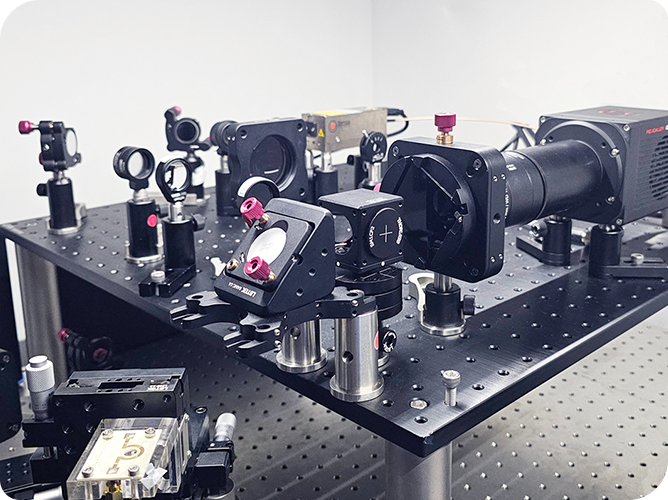
sCMOS cameras excel in fluorescence microscopy due to their low noise and high frame rates. They’re ideal for live-cell imaging, super-resolution techniques (e.g., STORM), and tracking dynamic processes like protein interactions.
Insight: For multi-user labs, sCMOS cameras offer the versatility to handle diverse microscopy experiments with ease.
In astrophotography, sCMOS cameras shine for capturing large fields of view at high speeds, like transient events or wide-sky surveys. Their high QE and low noise make them great for both short and long exposures.
Insight: sCMOS cameras are a budget-friendly option for astrophotographers who need high-resolution images without breaking the bank.
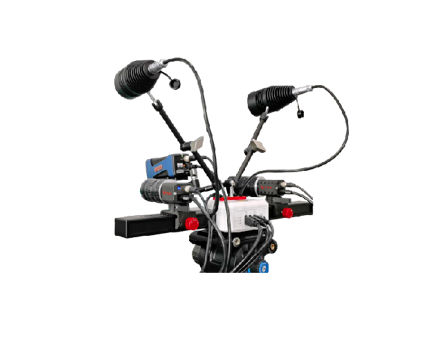
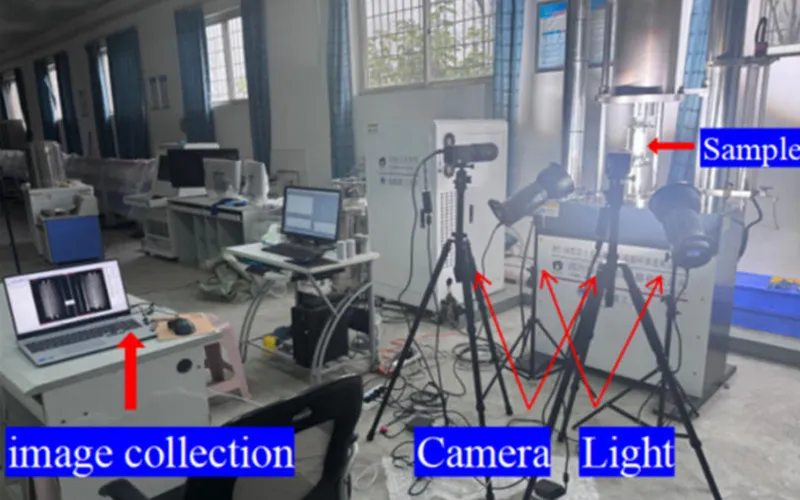
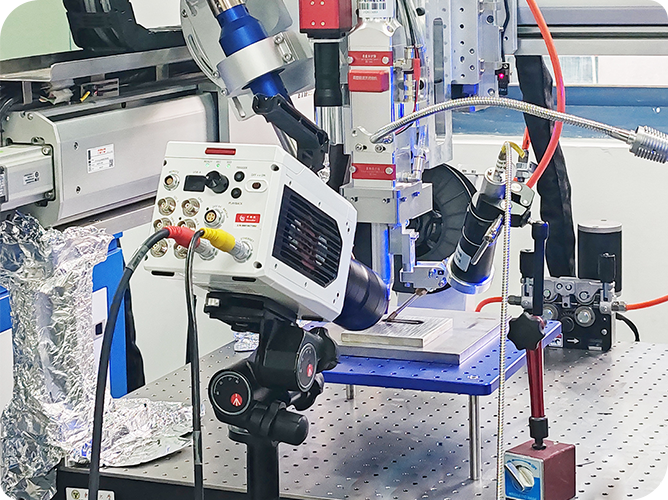
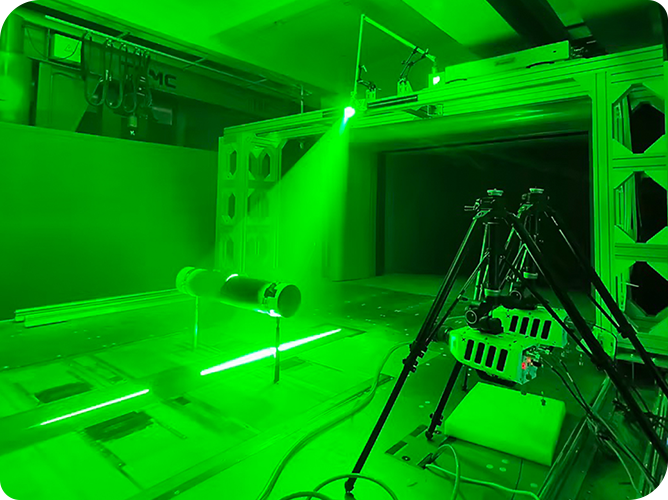
In the realm of experimental fluid mechanics, sCMOS cameras have become the primary imaging engine for advanced PIV systems. Thanks to their ultra-low read noise and high frame rates, these cameras can capture the faint scatter of tracer particles with extreme precision. When integrated into a complete PIV system, our sCMOS technology provides the essential microsecond synchronization needed for accurate particle tracking and complex velocity field mapping.
When selecting a scientific camera for a multi-user facility, sCMOS is often the most versatile choice, outperforming traditional CCDs in both speed and resolution.
Wondering if an sCMOS camera fits your needs? Here’s a quick checklist:
· Need high speed? If you’re capturing fast events (e.g., >100 fps), sCMOS is a great choice.
· Low-light conditions? Back-illuminated sCMOS models with high QE are ideal for faint signals.
· Budget constraints? sCMOS cameras are generally more affordable than other high-end scientific cameras.
· Versatility? sCMOS works across microscopy, astronomy, and high-speed imaging, making it a lab workhorse.
Revealer Highspeed’s sCMOS cameras, like the Sona series, offer high sensitivity, 16-bit dynamic range, and robust cooling for long exposures, making them a solid pick for diverse applications.
Insight: Investing in an sCMOS camera can future-proof your lab, as its versatility supports a wide range of experiments.
Selecting the right sCMOS camera is a critical decision that directly impacts the quality of your research data. While raw specifications are important, the best choice depends on how the camera’s architecture aligns with your specific experimental requirements. When evaluating different sCMOS cameras, we recommend focusing on the following four pillars:
1. The Balance Between Pixel Size and Resolution
For optical microscopy, a 6.5 µm pixel size is widely considered the "sweet spot." When paired with 60x or 100x magnification objectives, this pixel size ensures you achieve diffraction-limited resolution (Nyquist sampling) without sacrificing full-well capacity. If your work involves large-scale imaging (e.g., tile scanning), prioritize sCMOS cameras with larger sensors (up to 37mm diagonal) to maximize the Field of View (FOV) in a single capture.
2. Shutter Modes: Rolling vs. Global Shutter
Flexibility is key in a multi-user facility. Ensure your chosen sCMOS camera supports dual shutter modes:
Rolling Shutter: Best for stationary or slow-moving samples, offering the absolute lowest read noise (1.0e-).
Global Shutter: Essential for high-speed fluid dynamics or moving organisms, providing distortion-free "snapshot" imaging where every pixel begins and ends exposure simultaneously.
3. Cooling Performance and Dark Current
For long-exposure applications like bioluminescence or deep-space astronomy, dark current becomes the limiting factor. Look for sCMOS cameras equipped with advanced Thermoelectric (TE) cooling. A camera that can maintain a stable sensor temperature of -20°C or lower significantly reduces thermal noise, ensuring that your faint signals aren't lost during multi-minute exposures.
4. Data Throughput and Interface
High-resolution sCMOS cameras generate massive amounts of data (often exceeding 500 MB/s). To prevent bottlenecks, verify that the camera interface matches your workstation's capabilities. 10GbE (Gigabit Ethernet) and Camera Link are the industry standards for high-speed throughput, allowing for real-time visualization and rapid data transfer to NVMe storage.
Expert Insight: Before finalizing your purchase, always ask for a "Quantum Efficiency (QE) Curve" specifically for the wavelength of your fluorophores. A high-performance sCMOS camera should provide peak QE exactly where your experiment needs it most, whether in the UV or NIR spectrum.
What is the difference between CMOS and sCMOS?
sCMOS cameras are optimized for scientific imaging with lower noise (1-2 e-), higher dynamic range (16-bit), and faster frame rates (>100 fps) compared to standard CMOS, which is designed for consumer applications like smartphones.
What is the best sCMOS camera for scientific imaging?
Top sCMOS cameras, like Revealer Highspeed’s Sona-6 Extreme, offer 95% QE, low noise, and high frame rates, making them ideal for applications like fluorescence microscopy or astrophotography.
Is a CMOS camera good?
Standard CMOS cameras are great for consumer use (e.g., phones, webcams) but lack the precision of sCMOS for scientific tasks. sCMOS cameras are better for low-light, high-speed, or high-resolution imaging.
What is a scientific CMOS camera used for?
sCMOS cameras are used in fluorescence microscopy, astrophotography, high-speed imaging, quantum imaging, and spectroscopy, where their low noise, high speed, and wide dynamic range shine.
Are sCMOS cameras suitable for long-exposure imaging?
Yes, especially TE-cooled sCMOS models, which reduce dark noise for long exposures in applications like astrophotography or low-light microscopy.
How do sCMOS cameras handle high-throughput imaging?
Their high frame rates and large fields of view make sCMOS cameras perfect for high-throughput tasks like screening thousands of cells in drug discovery.
Why is sCMOS the best scientific camera for low-light imaging?
The superiority of sCMOS cameras in low-light environments stems from their ultra-low Read Noise floor (typically 1.0e- to 1.5e-) and advanced Back-illuminated (BSI) technology.
Unlike standard CMOS sensors where signals can be buried under 5-10 electrons of noise, sCMOS architecture allows for a high quantum efficiency (up to 95% QE). This means nearly every photon is captured and converted into data. In fields like fluorescence microscopy or deep-space astrophotography, this precision enables researchers to capture clear, quantifiable images of faint biological markers or distant celestial bodies that would be invisible to conventional sensors. By minimizing the "noise floor," sCMOS ensures that the Signal-to-Noise Ratio (SNR) remains high even in photon-starved scenarios.
How does sCMOS technology improve high speed camera cost-effectiveness?
The primary reason sCMOS technology improves high speed camera cost-effectiveness is its ability to eliminate the "Speed vs. Resolution" trade-off.
Traditionally, labs had to invest in two separate systems: a high-resolution camera for stills and a dedicated high frame rate camera for dynamic events. A single Revealer sCMOS camera (like the Sona or NEO series) delivers multi-megapixel resolution (4.2MP to 21MP) while maintaining speeds exceeding 100-500 fps. This "all-in-one" versatility significantly reduces total ownership costs by:
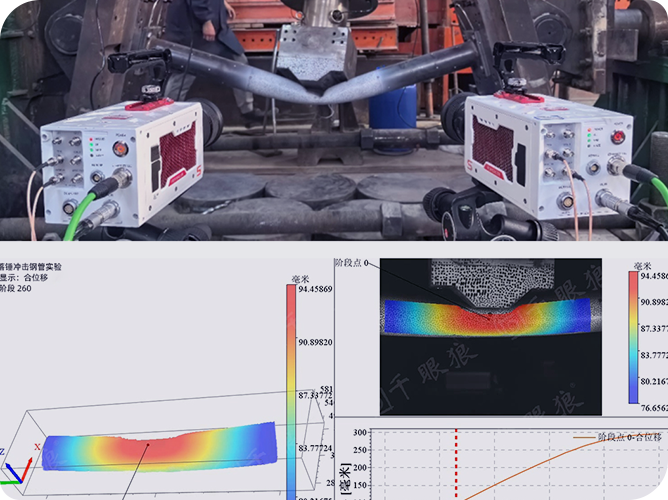
Reducing Hardware Investment: One camera covers multiple experimental setups (e.g., PIV, DIC, and general microscopy).
Lowering Maintenance: Modern TE-cooling systems in sCMOS are more robust and require less specialized upkeep than older EMCCD or ultra-cooled CCD systems.
Faster Data Throughput: High-bandwidth interfaces (10GbE) save hours of data transfer time, increasing lab productivity.
What is the future of sCMOS cameras in scientific research?
The next generation of sCMOS cameras is moving towards back-illuminated (BSI) sensors as a standard, pushing QE beyond 95% across a wider spectrum (UV to NIR). Additionally, integration of on-sensor AI processing and faster interfaces like QSFP28 (100GbE) are allowing sCMOS cameras to handle the massive data rates required for 4D light-sheet microscopy and real-time quantum imaging.
· Teledyne Vision Solutions: Technical guides on sCMOS sensor design.
· Andor Technology: White papers on sCMOS performance metrics.
· Hamamatsu Photonics: Documentation on quantum efficiency and noise.
· Wikipedia: Entries on CMOS and sCMOS technologies.
· Nature Methods: Articles on fluorescence microscopy techniques.
· Photonics Spectra: Reports on advancements in scientific imaging.
 English
 Deutsch