Email Us
Micro PIV
Micro PIV
Micro PIV

Micro PIV

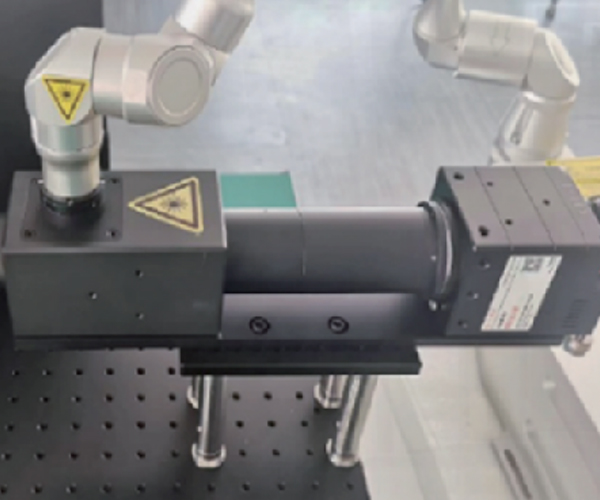
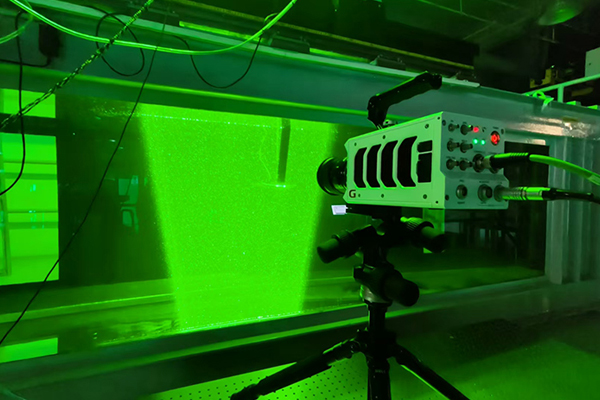
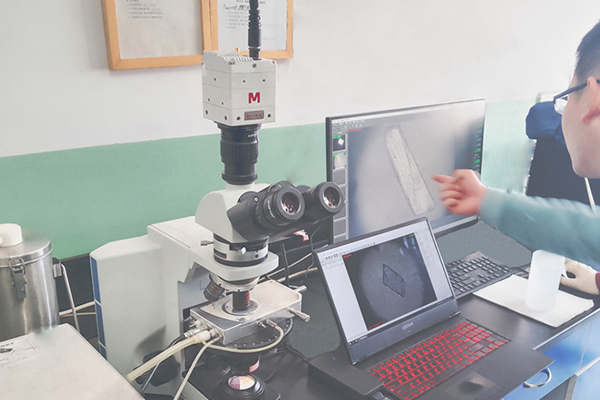
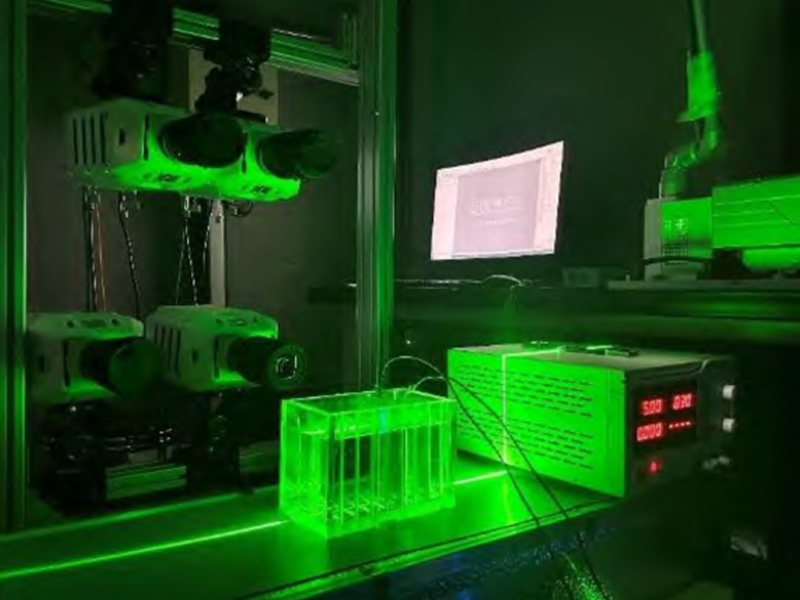
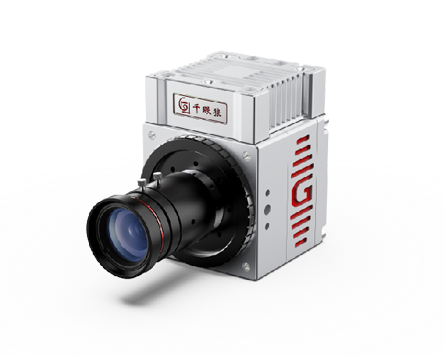
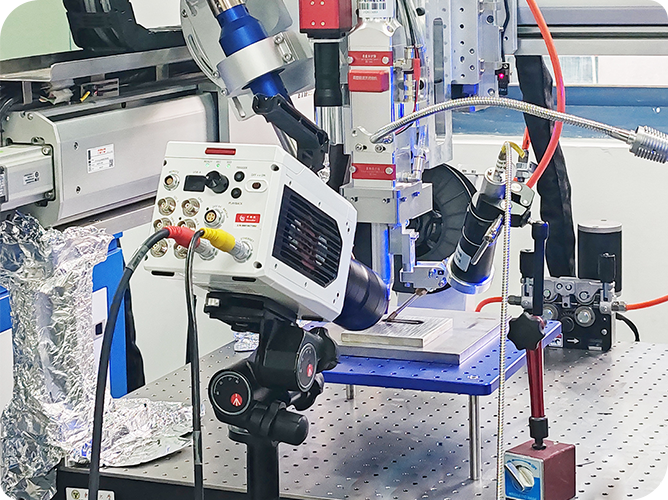
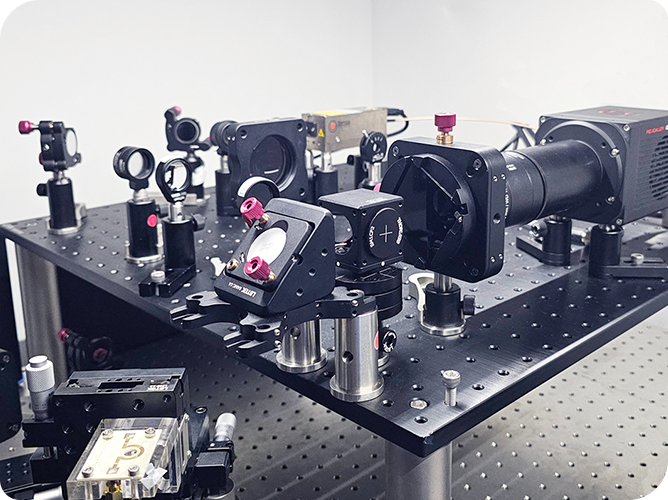
The Revealer Micro Particle Image Velocimetry(PIV) System integrates a high-speed camera, laser, laser light guide arm, workstation, high-magnification lens (optional), inverted fluorescence microscope (optional), and RFlow measurement software. It enables instantaneous measurement of microfluidic flow fields in microchannels.

Key Technical Highlights

Micro-Scale Precision: Specifically designed for measuring flow fields within microchannels, utilizing high-magnification optics and specialized laser delivery.


Fluorescence Integration: Optional Inverted Fluorescence Microscope support for tracking fluorescent tracer particles, minimizing background noise in complex biological fluids.


AI-Powered Analysis: Features Deep Learning-based background segmentation and GPU multi-core acceleration for rapid, high-accuracy velocity field calculation.


Versatile Configurations: Available in High-frequency (up to 15,000 fps) and Low-frequency versions to suit both transient and steady-state microfluidic studies.

Features
Specifications
Applications
Cases
FAQ

Features of Micro PIV

  • 1 Optional Equipped with Magnifying Lens or Inverted Fluorescence Microscope

  • Pixel Calibration Technology

  • Background Segmentation Based on Deep Learning

  • GPU Multi-core Acceleration

  • Two-dimensional Velocity Field Analysis

Micro PIV vs. Standard (Macro) PIV: Key Differences

Understanding the distinction between micro-scale and macro-scale measurement is essential for selecting the right fluid dynamics solution. While both systems use the same fundamental cross-correlation principles, Micro PIV is specifically engineered to overcome the optical challenges of fluid flow in confined micro-spaces.

FeatureMicro PIV SystemStandard (Macro) PIV
Observation VolumeMicrochannels. Optimized for micron to millimeter scales (μm to mm).Large Flow Fields. Designed for centimeter to meter scales (cm to m).
IlluminationVolume Illumination. The entire volume is illuminated through the microscope.Laser Sheet. A thin laser sheet illuminates a specific 2D cross-section.
OpticsHigh-Magnification. Uses Inverted Microscopes or specialized magnifying lenses.Standard Optics. Uses C-mount, F-mount, or telephoto lenses.
Tracer ParticlesFluorescent Particles. Sub-micron particles that emit specific wavelengths to avoid noise.Seeding Particles. Micron-sized particles like hollow glass spheres.
Depth of FieldLens-Defined. Determined by the numerical aperture (NA) of the microscope objective.Sheet-Defined. Determined by the physical thickness of the laser sheet.

Why Choose Micro PIV for Microfluidics?

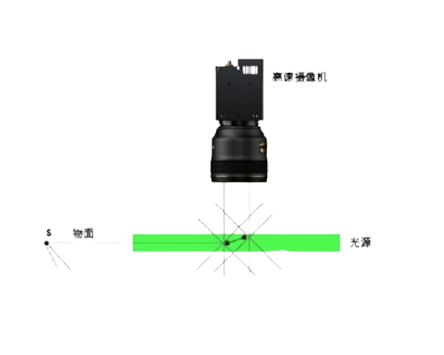
In macro-scale PIV, a laser sheet is used to define the measurement plane. However, in microchannels, creating a laser sheet is physically difficult. Micro PIV solves this by using volume illumination combined with an inverted fluorescence microscope. By tracking fluorescent tracer particles, the system effectively filters out reflections from the channel walls, providing clean, high-resolution velocity fields in Lab-on-a-Chip and biomedical applications.


Specifications of Micro PIV

SKUHigh-frequency VersionLow-frequency Version
Resolution2560×1920/1280×10245120×4096
Frame2000fps/15000fps36fps
Data interfaceGb Ethernet/10Gb EthernetCXP
Laser Wavelength527nm/527nm532nm/532nm
Laser TypeHigh-frequency Pulsed LaserLow-frequency Pulsed Laser
Laser Energy20~50mJ100~500mJ
Software LicenseRflow 2D3CRflow 2D3C
StatisticsInstantaneous Velocity, Average Velocity, Turbulence Intensity, Reynolds Stress, VorticityAverage Velocity, Turbulence Intensity, Reynolds Stress, Vorticity

Specifications will be updated. For details, please contact with us.

Frequently Asked Questions (FAQ) - Micro PIV Systems

What is the main difference between Micro PIV and standard (Macro) PIV?

The primary difference lies in the illumination and scale. While standard PIV uses a thin laser sheet to define the measurement plane, Micro PIV is designed for the micrometer scale and uses volume illumination (typically through a microscope objective). To overcome the lack of a physical light sheet, it tracks sub-micron fluorescent particles, allowing for precise velocity measurement within confined microchannels without interference from the channel walls.

Why are fluorescent particles necessary for Micro PIV measurements?

In micro-scale channels, laser reflections from the walls can easily overwhelm the faint light scattered by standard particles. Fluorescent particles solve this by absorbing the laser light and re-emitting it at a different, longer wavelength. By using a specialized optical filter on the camera, we can block the laser glare and capture only the light from the particles, resulting in a much higher signal-to-noise ratio and cleaner velocity data.

Does the Revealer Micro PIV system support 3D flow measurement?

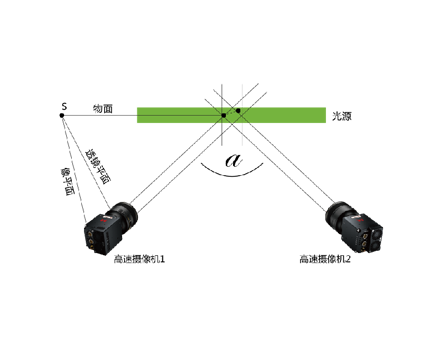
Our standard Micro PIV configuration provides high-resolution 2D velocity fields (2D2C). However, for advanced research requiring three-component (3C) or volumetric 3D data, we offer customized solutions. These include multi-camera stereoscopic setups or confocal scanning configurations. Please contact our technical team to discuss your specific 3D microfluidic requirements.

How does the system handle high-speed microfluidic events?

By integrating our ultra high-speed cameras (such as the NEO series), the system can capture transient micro-scale phenomena at up to 15,000 fps at full resolution. This high temporal resolution is critical for studying droplets, oscillating flows, and rapid mixing processes in Lab-on-a-Chip devices.

Contact with Us
Add:
Fuhuang Intelligent New Vision Building, Baohe District, Hefei City, China.
Seek expert advice to select the ideal optical measurement instruments for your specific needs.
Quick Links
Contact Us
Email:
sales@revealerhighspeed.com
Add:
Fuhuang Intelligent New Vision Building, Baohe District, Hefei City, China.
Quick Links
Add:
Fuhuang Intelligent New Vision Building, Baohe District, Hefei City, China.