Recently, the 13th Academic Conference on Welding in Northern China was grandly held in Shijiazhuang, Hebei. Centered on the theme Green, Intelligent, Integration: Innovation of Advanced Joining Technology and Industrial Development, the conference focused on frontier research directions including welding processes and complete equipment, metal additive manufacturing technology and systems, intelligent detection for welding automation, and service performance evaluation of welded structures, carrying out in-depth academic discussions and industry-university-research exchanges.
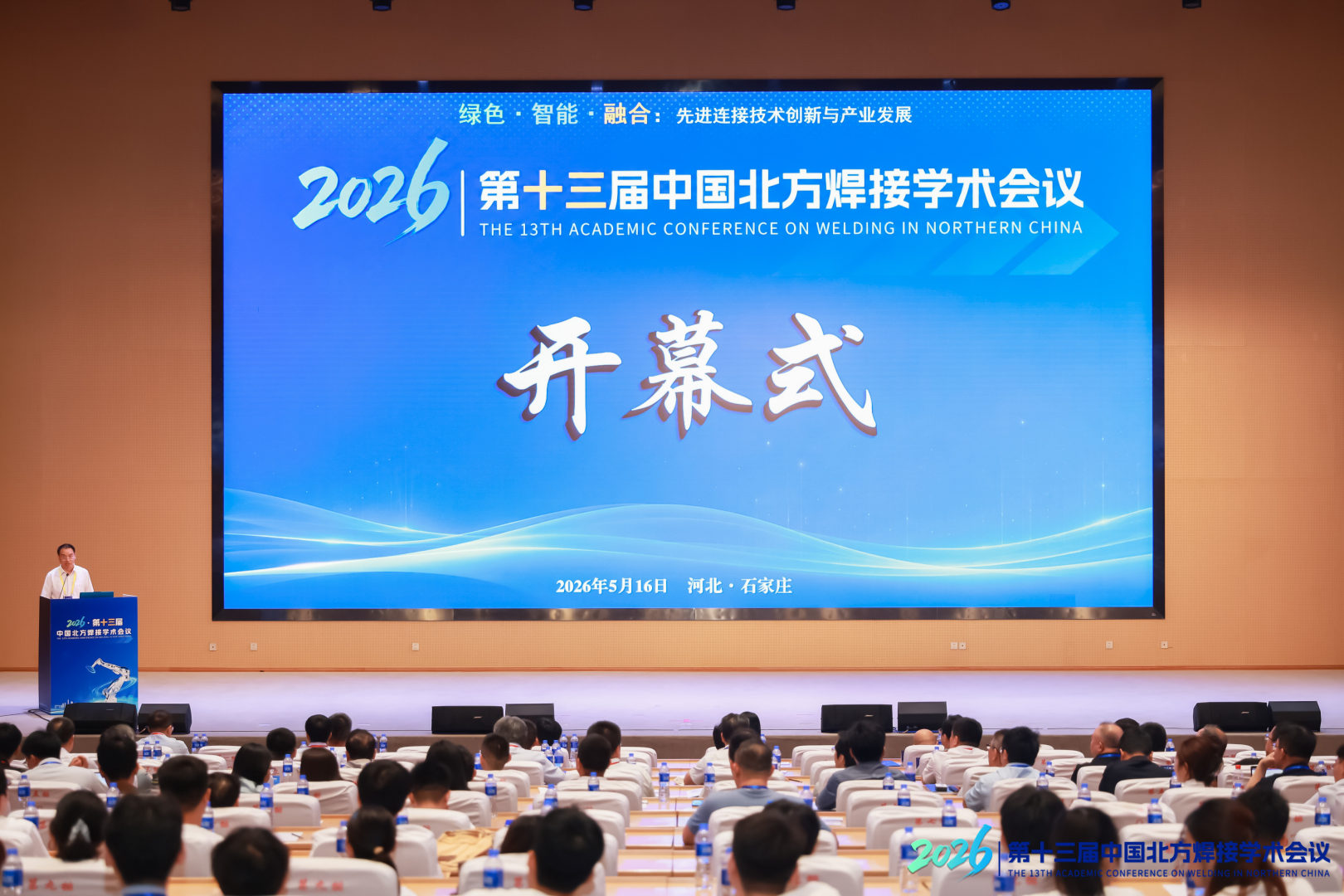
Figure 1 Grand Opening Ceremony of the 13th Academic Conference on Welding in Northern China
The conference gathered authoritative experts, scholars and engineering practitioners across China's welding and additive manufacturing sectors to discuss innovative paths and industrial application implementation for advanced joining technologies. Amid the intelligent transformation of welding and the precision upgrading of additive manufacturing, transient physical behavior observation, defect mechanism tracing, and multi-physics coupling analysis have become common technical bottlenecks restricting industrial technological breakthroughs and process iteration.
Addressing the research and engineering pain points of the industry, Revealer invited senior technical experts to deliver an invited report titled Innovation of Welding and Additive Manufacturing Technology Based on High-Speed Imaging at the conference. The report systematically illustrated the application value of professional high-speed cameras for welding in droplet transfer dynamics, molten pool behavior, laser keyhole evolution, spatter generation and pore formation in additive manufacturing. It also shared the technical route of microscopic physical mechanism perception, visual characterization and quantitative process regulation enabled by high-speed imaging.
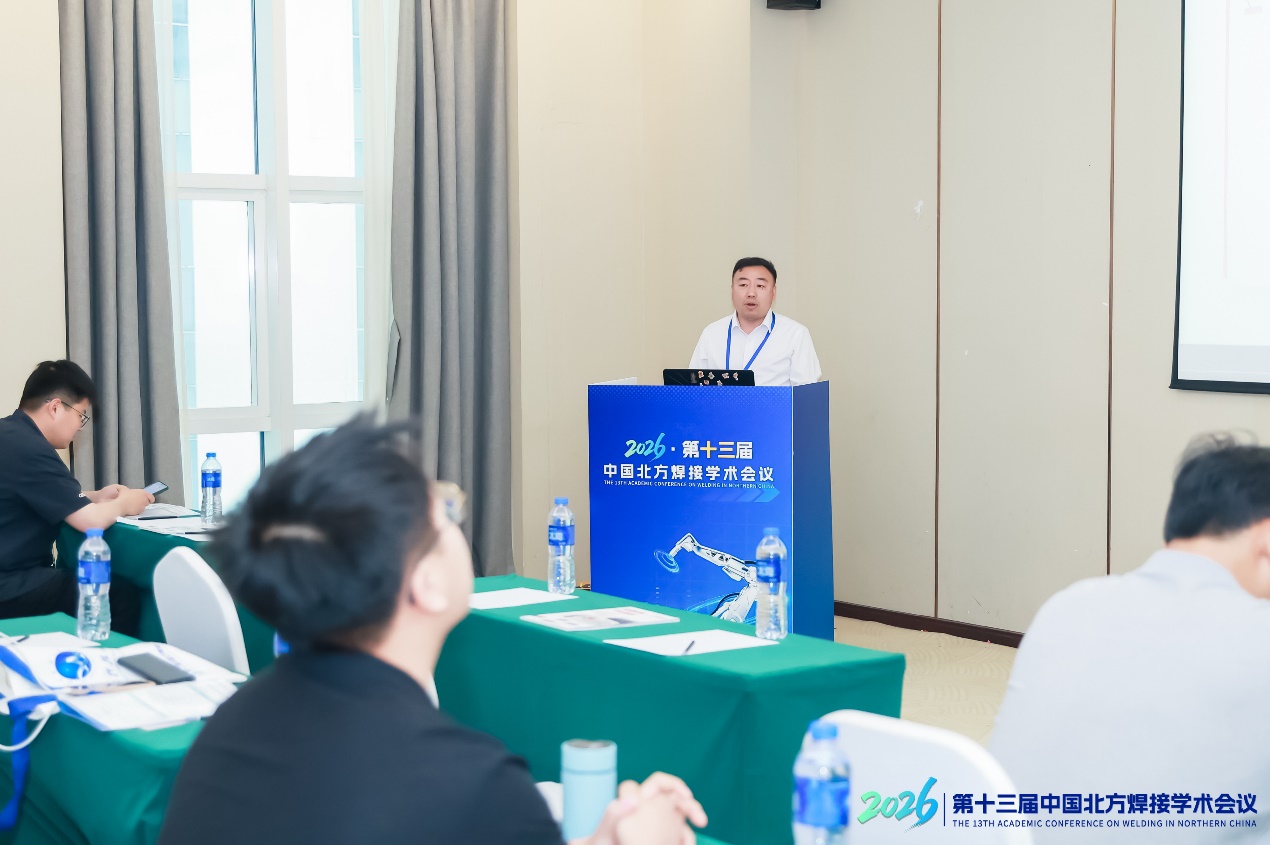
Figure 2 Senior Industry Expert of Revealer Delivers the Report Innovation of Welding and Additive Manufacturing Technology Based on High-Speed Imaging
Dynamic behaviors such as droplet transfer in arc welding, keyhole instability and bubble evolution in laser deep penetration welding, molten pool flow, powder spatter and pore formation mechanism in metal additive manufacturing all occur at millisecond to microsecond transient scales. Their evolutionary laws directly determine weld forming quality, joint mechanical properties and service performance of manufactured components.
High-speed cameras have become standard research equipment for mechanism investigation in welding and additive manufacturing. Nevertheless, under the extreme operating conditions of welding characterized by high temperature, intense arc light, smoke and strong electromagnetic interference, conventional imaging devices still face two major challenges in high-quality process observation:
The radiation intensity of welding arcs is extremely high, while the inner area of molten pools and keyholes remain in low-light dark zones. Ordinary cameras are prone to overexposure or missing critical details, failing to identify key features such as droplet profiles, molten pool flow patterns and metal powder trajectories.
Fluctuations in welding voltage and current are strongly coupled with droplet transfer, keyhole opening/closing and molten pool oscillation. To realize joint analysis of images and electrical parameters, it is essential to achieve microsecond-level hardware synchronization among high-speed imaging, laser auxiliary illumination and electrical signal acquisition, which is difficult for general-purpose equipment to satisfy.
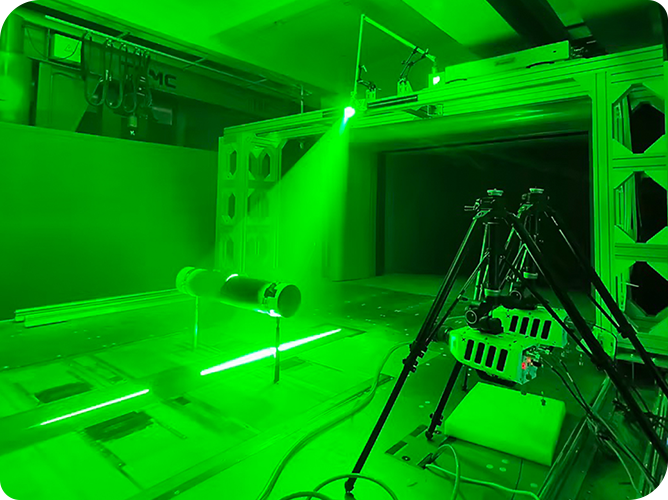
Targeting the observation pain points under extreme welding conditions, Revealer adopts a system engineering design philosophy and builds an integrated solution consisting of professional high-speed cameras for welding, laser active illumination, synchronous controller, and electrical signal acquisition & analysis software. It forms a full-link technical framework of arc glare suppression — high-speed data acquisition — time sequence synchronization — image-electrical joint analysis.
Equipped with high-power pulsed laser active illumination and specially designed band-pass optical filtering architecture, the system suppresses strong radiation interference from welding arcs at the optical path level. It clearly distinguishes droplet contours, molten pool flow characteristics, metal powder trajectories and internal details of laser keyholes, fully applicable to arc welding, laser welding, arc additive manufacturing and laser additive manufacturing scenarios.
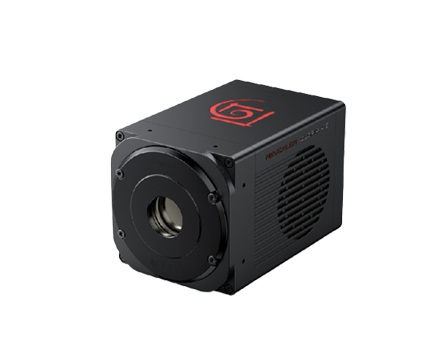
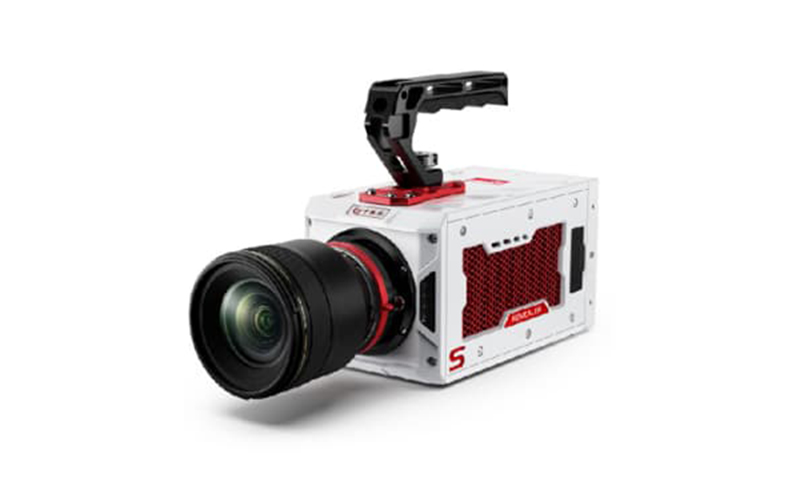
Supported by core product lines of Revealer S1315 Series and G536 Pro Series high-speed cameras:
S1315 Series: Achieves up to 15,000 fps at 1280×1024 standard resolution, perfectly matching high-frame-rate transient process capture in arc welding and additive manufacturing.
G536 Pro Series: Reaches 3,600 fps at ultra-high resolution of 2560×2016, balancing wide field of view and microscopic detail recognition to meet refined observation demands for laser welding and precision additive manufacturing.
All models adopt 12-bit high image depth and high dynamic range processing capability, adapting to the complex imaging environment with extreme light and dark contrast in welding.
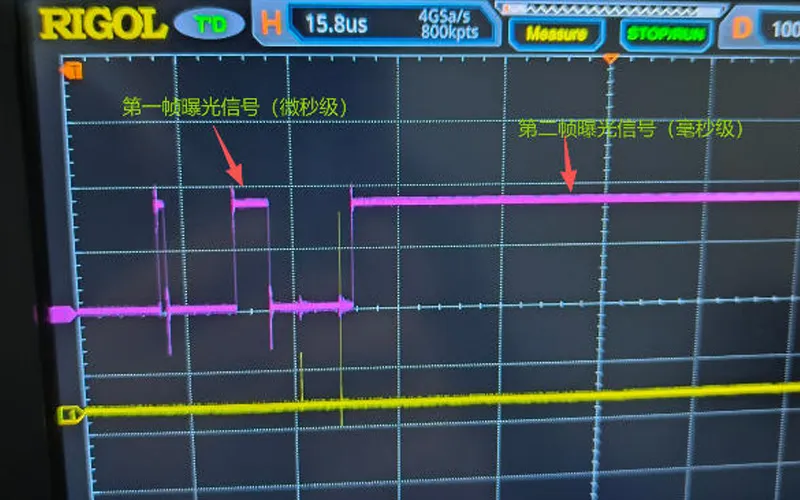
Configured with an industrial dedicated synchronous controller, it realizes hardware-level microsecond synchronization among high-speed camera imaging, pulsed laser illumination and welding voltage/current signal acquisition. Each frame of high-speed images can be accurately matched with time-series electrical parameter data, laying a solid data foundation for mechanism modeling and quantitative analysis.
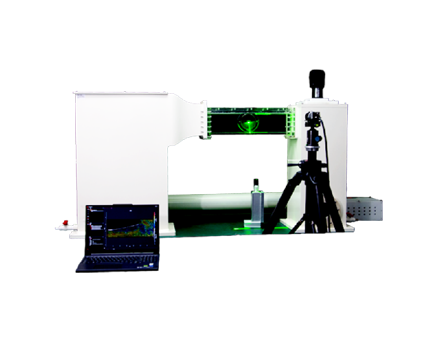
The system supports wide-range acquisition of welding electrical signals: current detection range ±1000 A, voltage ±100 V, with a sampling frequency up to 100 kHz. It supports real-time signal acquisition, storage and waveform playback, automatically generating U-I characteristic curves, voltage and current probability density distribution graphs, as well as quantitative statistical indicators including mean value, RMS and standard deviation of electrical signals. It perfectly supports data support for academic papers and the construction of enterprise process databases.
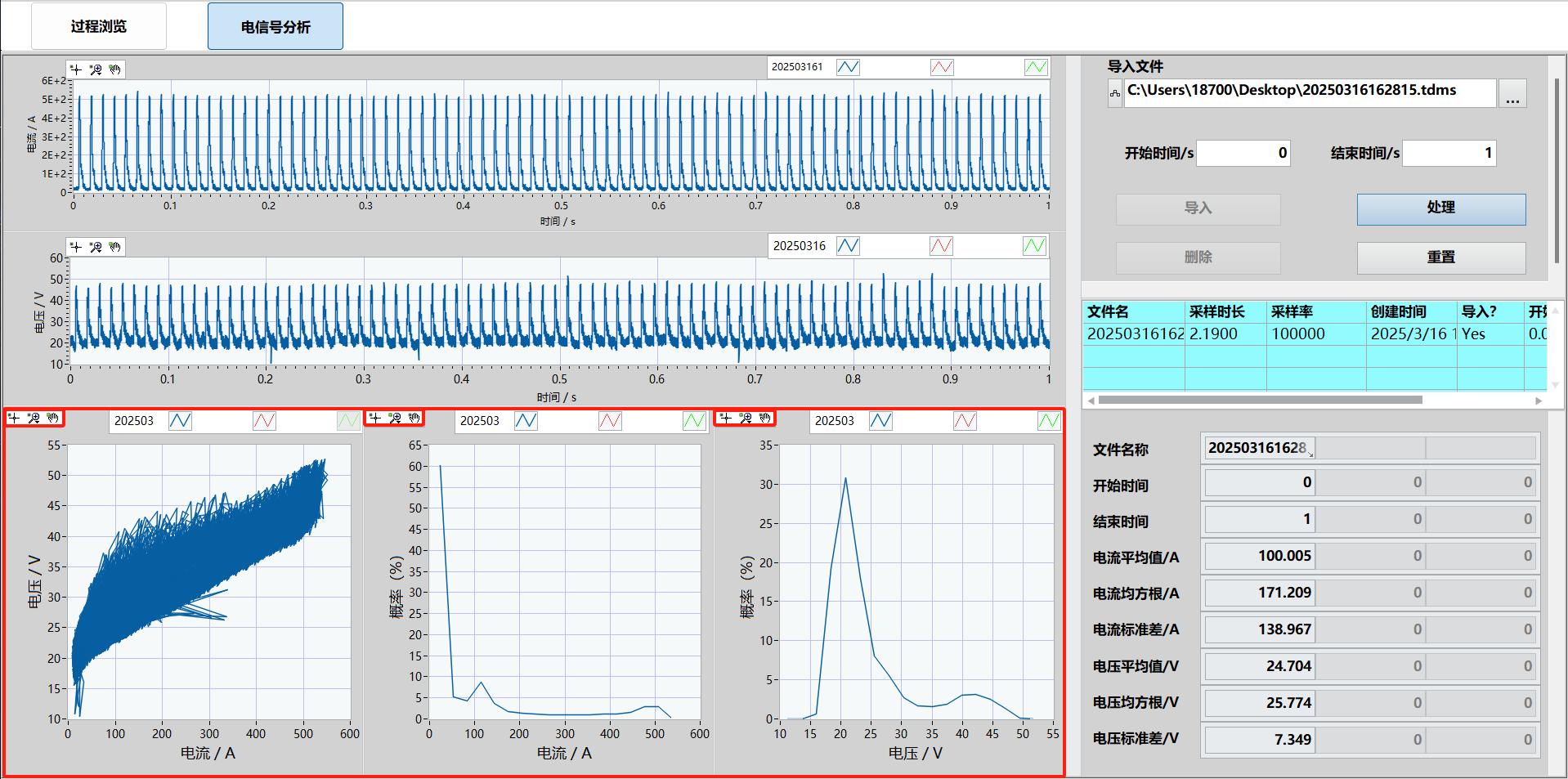
Figure 3 Revealer Electrical Signal Acquisition System
Revealer professional high-speed imaging systems for welding have completed abundant scientific research and engineering verification in mainstream scenarios including arc welding, laser welding and metal additive manufacturing, forming standardized application solutions.
Observation Challenges: Aluminum alloy MIG welding features intense arc radiation and high-frequency droplet transfer. Conventional imaging equipment cannot synchronously capture droplet evolution morphology and microscopic molten pool flow details, nor establish the correlation between droplet behavior and fluctuation of welding electrical parameters.
System Configuration: Adopt Revealer S1315 professional high-speed camera for welding, set acquisition frame rate at 5,000 fps and exposure time at 3 μs, equipped with high-power pulsed laser forward illumination for arc suppression. Connect with the dedicated electrical signal acquisition module, and realize microsecond hardware synchronization of imaging, laser illumination and electrical signal collection via the synchronous controller.
Application Value: The system completely records the full lifecycle process of droplet detachment from the wire end, flight across the arc gap and merging into the molten pool, clearly restoring molten pool boundary morphology and liquid metal flow rules. Relying on frame-level precise alignment of images and electrical signals, it can quantitatively analyze the coupling relationship between droplet transfer frequency, geometric size and voltage-current fluctuation. It supports performance evaluation of welding power sources and collaborative optimization of key process parameters such as voltage and wire feeding speed, effectively restraining welding spatter and improving weld forming quality. It provides visual data support for fundamental mechanism research in universities and process finalization in industrial enterprises.
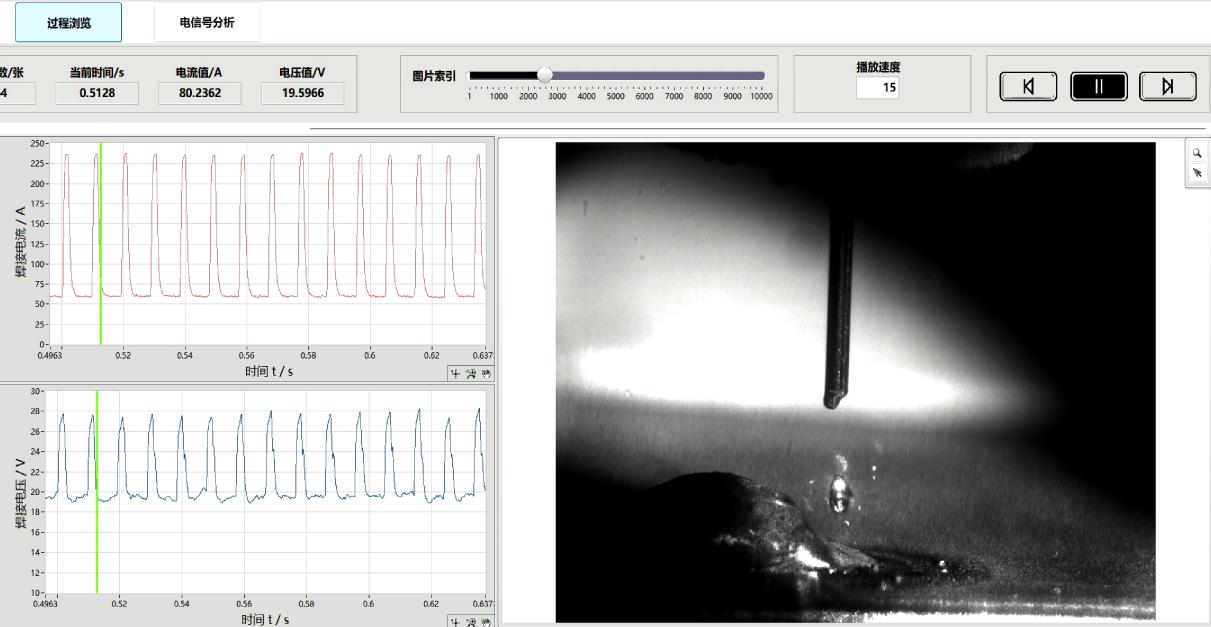
Figure 4 Synchronous Observation and Analysis of MIG Welding Droplet Transfer at 5000 fps Using High-Speed Camera and Electrical Signal Acquisition System
Observation Challenges: TIG welding is widely applied in high-precision manufacturing of thin plates and stainless steel components. Arc stability and molten pool wetting & spreading behavior directly determine welding quality, while intense arc light easily obscures subtle molten pool features that cannot be characterized by conventional observation methods.
System Configuration: Adopt Revealer S-Series high-speed camera for welding, set acquisition frame rate at 1,000 fps and exposure time at 10 μs, matched with adaptive-power laser auxiliary illumination.
Application Value: Effectively shield arc light interference, clearly present evolutionary characteristics of tungsten electrode arc morphology, wetting and spreading rules at molten pool edges, and disturbance effect of shielding gas flow on molten pool surface. It provides intuitive visual evidence for precision TIG welding process optimization and mechanism research of dissimilar material welding.
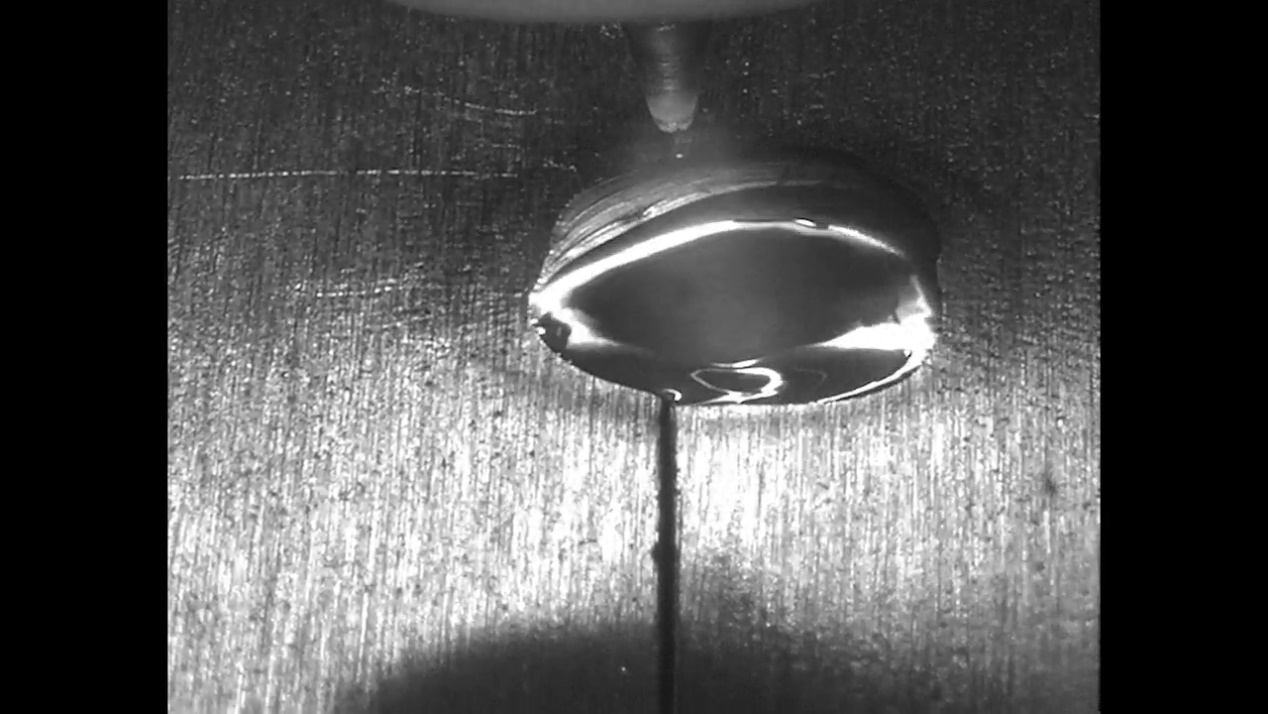
Figure 5 Observation of Arc and Molten Pool Spreading Behavior in TIG Welding at 1000 fps via High-Speed Camera
Observation Challenges: The keyhole in laser deep penetration welding operates in high-frequency violent oscillation. The evolutionary mechanism of keyhole opening morphology, molten pool metal flow and micro-spatter generation is the core research focus, requiring extremely high performance in glare suppression, imaging frame rate and dynamic range for detection equipment.
System Configuration: Select Revealer G536 Pro high-resolution high-speed camera for welding, set acquisition rate at 8,000 fps, and conduct continuous fixed-point observation with high-power laser illumination system.
Application Value: Accurately capture the dynamic evolution of laser-induced keyhole opening, propagation of molten pool surface fluctuation and injection process of micro-spatter. Through time-series analysis of sequential images, it can quantitatively characterize the fluctuation period of keyhole opening area, propagation velocity of molten pool surface wave, and temporal correlation between spatter generation and keyhole collapse. Combined with synchronous electrical signal analysis, it can analyze the phase response law of keyhole dynamic behavior under laser power modulation, providing critical technical support for welding defect suppression, process parameter optimization and laser process R&D in additive manufacturing.
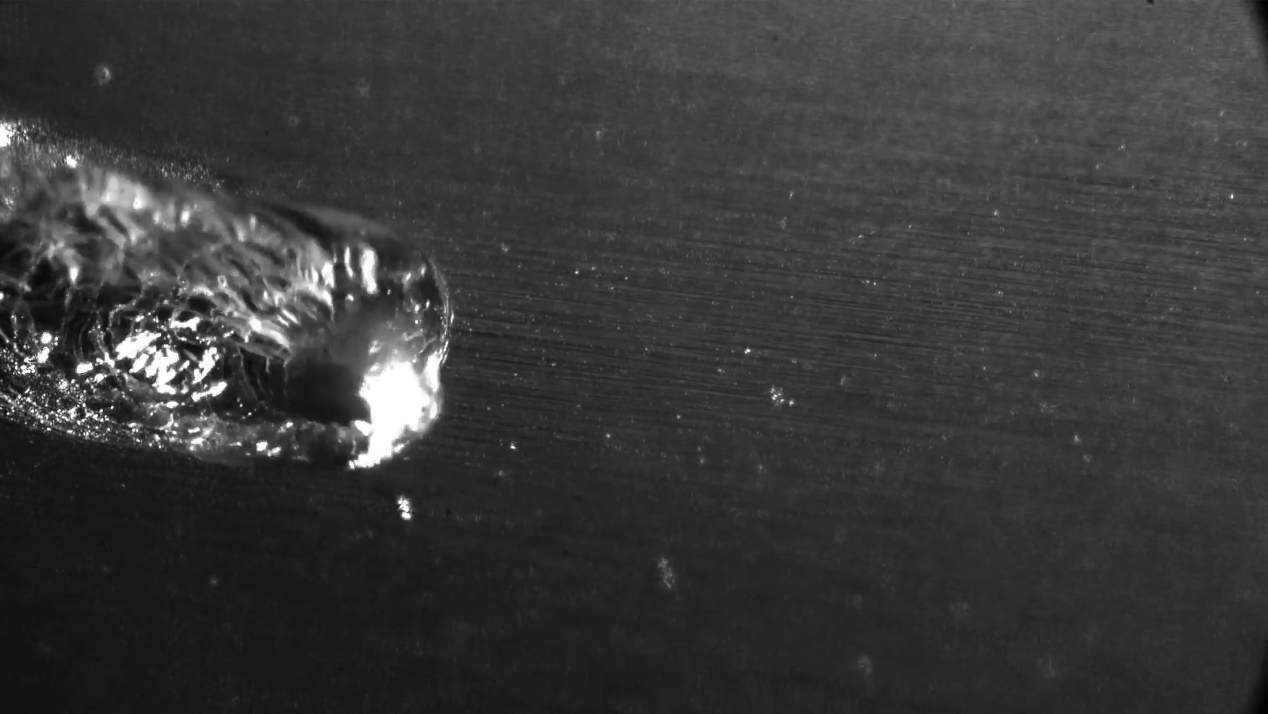
Figure 6 Observation of Laser Welding Behavior at 8000 fps with High-Speed Camera
The essence of welding and metal additive manufacturing lies in the precise regulation of thermal-force-flow-phase transformation multi-physics coupling processes. Research in welding engineering has evolved from traditional empirical inference to a precise research paradigm based on visual imaging and quantitative data modeling, where professional high-speed cameras for welding serve as the core underlying research equipment enabling this transformation.
From the early backlighting film-based imaging to the mature technical system of digital high-speed imaging, laser active glare suppression and image-electrical synchronous joint analysis nowadays, high-speed imaging technology continuously promotes the upgrading of welding mechanism research, process innovation and intelligent equipment R&D. Following the Green, Intelligent, Integration development theme advocated by the 13th Welding Academic Conference in Northern China, Revealer will continue to deeply engage in professional high-speed vision technology for welding and additive manufacturing. With core capabilities of high spatio-temporal resolution imaging, full-link time sequence synchronization and professional data analysis, Revealer will continuously serve fundamental mechanism research in universities, welding process iteration in manufacturing enterprises, and R&D of intelligent welding robots and complete additive manufacturing equipment, facilitating the discipline construction of welding industry, industrial transformation and upgrading, and the implementation of the manufacturing power strategy across Northern China and the whole country.
 English
 Deutsch