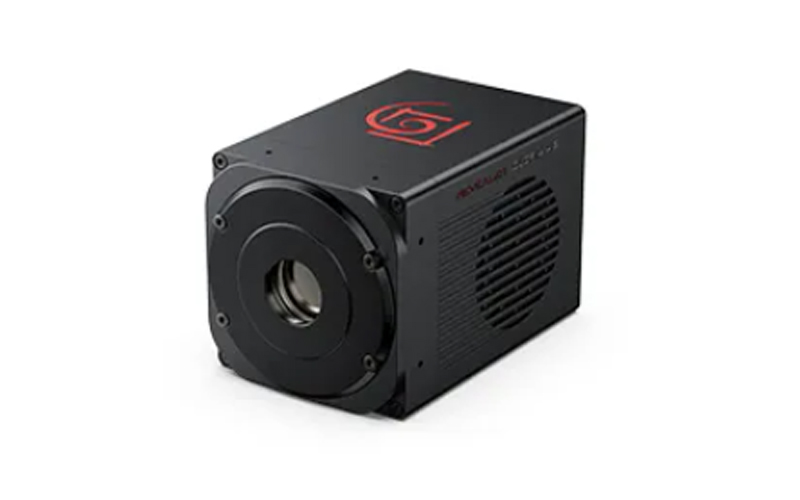
Purchasing a high-speed camera is a significant investment, and models boasting high sensitivity—often featuring back-illuminated (BSI) sensors and large pixels—command a notable premium over their standard counterparts. For budget-conscious labs, the central question isn't just about specifications, but value: When does investing in sensitivity become non-negotiable for scientific success?
This guide moves beyond technical jargon to outline the practical scenarios where the higher cost of a high-sensitivity camera translates directly into obtainable data and credible results.
Scenario 1: Your Phenomenon is Inherently Dim or Light-Sensitive
This is the most straightforward justification.
Examples: Bioluminescent organisms, weak chemiluminescence in lean flames, low-emissivity materials in thermal studies, or photosensitive polymers/photoresists.
The Cost of Standard Cameras: To get a usable signal, you must drastically increase external lighting. This can alter the phenomenon (e.g., heating samples, disturbing animals), trigger unwanted reactions, or simply be physically impossible in confined setups.
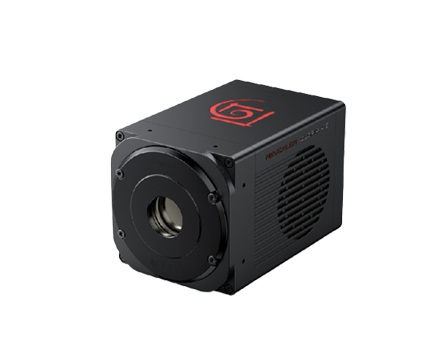
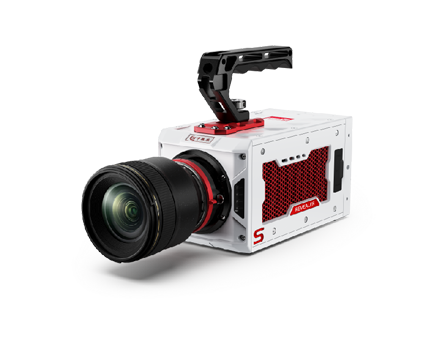
The Value of High Sensitivity: A camera like the Revealer NEO series, with its high-QE BSI sensor, captures available photons efficiently. This allows you to observe the system in its native state with minimal intrusion, which is often the primary scientific objective.
Scenario 2: You Need High Speed in a Logistically Constrained Environment
Speed and light are intrinsically linked. Doubling frame rate halves exposure time, demanding more light.
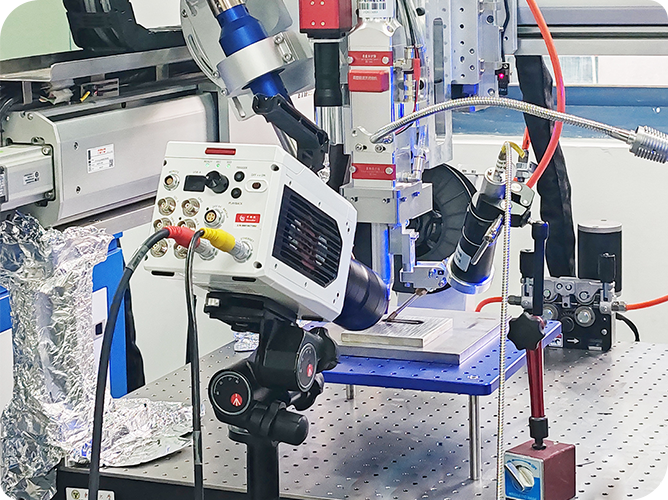
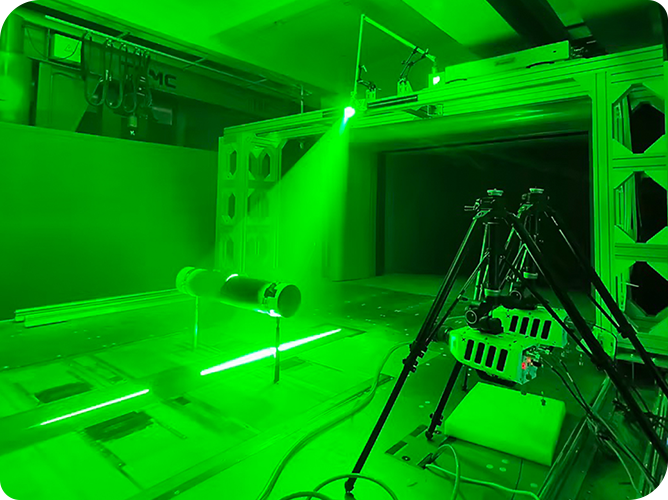
Examples: Capturing fast ignition kernels in an engine, tracking particles in a large-scale aerodynamic facility, or studying vibration in micro-devices where adding powerful lighting is costly or interferes with optics.
The Cost of Standard Cameras: You hit a physical limit. To achieve the desired high frame rates of a fastest high-speed camera, you might be forced to reduce resolution (losing spatial detail) or operate at noise levels that corrupt quantitative analysis.
The Value of High Sensitivity: It breaks this trade-off. High sensitivity provides the "light budget" to maintain both high temporal resolution (frame rate) and high spatial resolution (image quality) simultaneously. It ensures your "fast" camera is also a "clear" camera.
Scenario 3: Your Analysis Depends on Quantitative Gray-Level Fidelity
Not all imaging is about pretty pictures. Some measurements rely on precise intensity values.
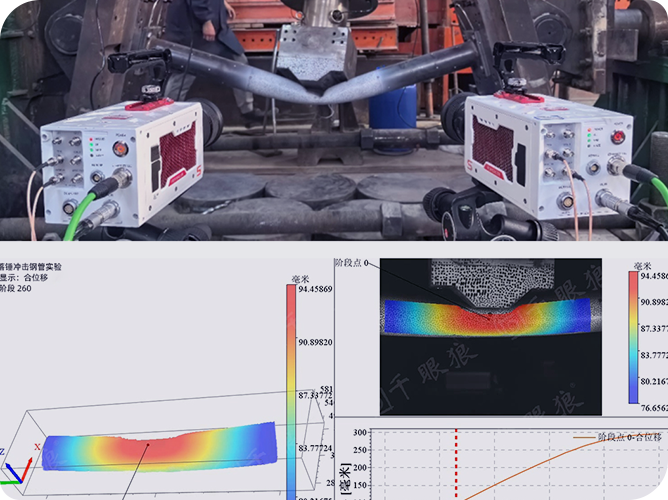
Examples: Thermographic phosphor thermometry, certain PIV/LIF techniques where intensity correlates with concentration or temperature, and quantitative dynamic deformation analysis.
The Cost of Standard Cameras: Low signal-to-noise ratio (SNR) introduces significant error into intensity-based calculations. The data may be too noisy for publication-grade results.
The Value of High Sensitivity: A high-sensitivity sensor improves SNR dramatically. This results in cleaner data curves, lower measurement uncertainty, and findings that withstand peer review. Here, sensitivity is directly linked to data integrity and publication strength.
Scenario 4: You Require Broad Spectral Access Beyond Visible Light
Many high-energy phenomena emit in the UV or NIR.
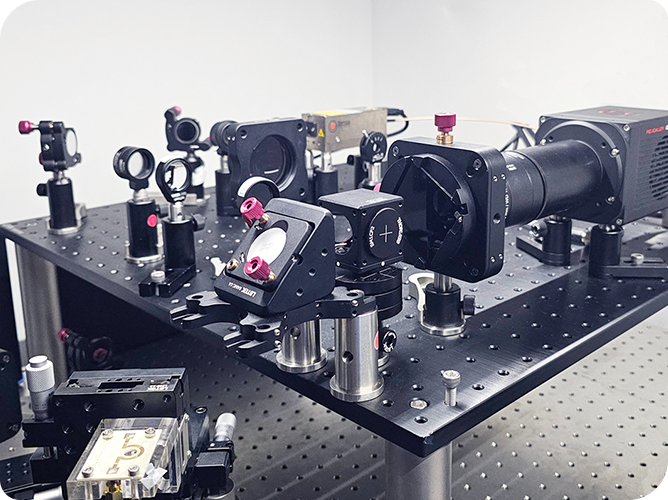
Examples: OH* radical imaging in flames (UV), laser-induced breakdown spectroscopy (LIBS), or monitoring processes using infrared markers.
The Cost of Standard Cameras: Standard sensors have poor quantum efficiency outside the visible range. You lose most of your already weak signal.
The Value of High Sensitivity: Advanced BSI sensors, like those in the Revealer NEO, are often optimized for broader spectral response (e.g., 200-1100nm). High sensitivity in these bands is not a luxury; it's the entry ticket to studying these phenomena at all.
Scenario 5: Your Research Demands Future-Proof Versatility
A lab's focus evolves. A camera is a capital asset meant to last years.
The Cost of Standard Cameras: A low-sensitivity camera might suit today's well-lit bench-top experiment but will become a bottleneck for tomorrow's ambitious, low-light field study or collaborative project.
The Value of High Sensitivity: Investing in sensitivity is investing in research agility. It expands the range of questions your lab can pursue without facing a major equipment hurdle down the line. It mitigates future risk.
Conclusion: Framing the Investment
Viewing a high-sensitivity high-speed camera as merely a "more expensive camera" misses the point. Instead, evaluate it as a key that unlocks experimental domains.
Ask yourself: Does any scenario above describe my current or aspirational research? If the answer is yes, then the premium isn't just for better specs—it's for enabling foundational research, ensuring data quality, and protecting the long-term value of your scientific toolkit.
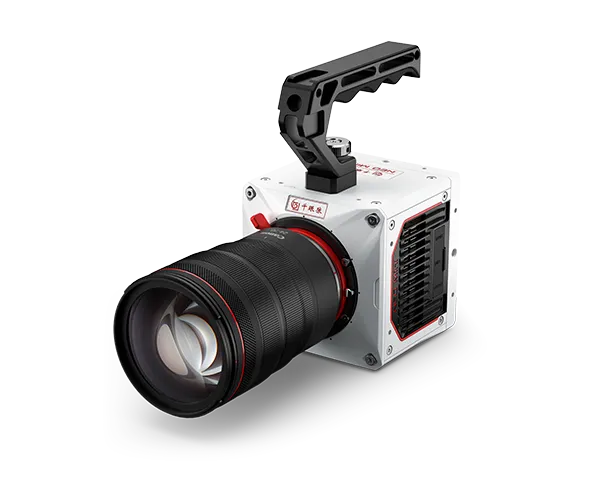
Ready to assess if a high-sensitivity camera is the right strategic tool for your lab? Explore the Revealer NEO series, engineered to deliver both extreme speed and ultimate sensitivity for the most demanding applications, and contact our technical team for a consultation.

 English
 Deutsch