Integrating a high-speed camera into a mobile platform—such as a drone (UAV), vehicle, or airborne pod—presents a unique set of engineering challenges. Standard lab cameras are often too large, heavy, and fragile. Choosing the right compact solution requires balancing five critical factors beyond just frame rate.
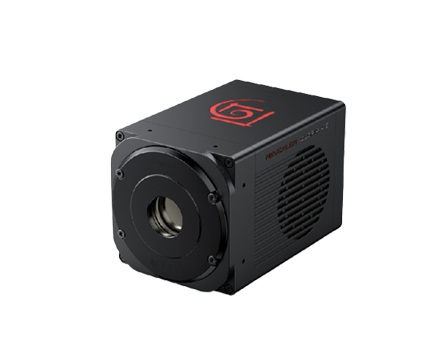
1. Form Factor & Weight: The Non-Negotiable Constraints Space and payload are premium. A camera like the Revealer M220M/C, measuring just 75x75x90mm and weighing 820g, is designed from the ground up for integration. Its minimal size reduces aerodynamic drag and allows installation in tight compartments without compromising the platform's balance or performance.
2. Ruggedness: Built for the Real World Mobile environments are harsh. Vibration from engines, shock from landings or terrain, and extreme temperature fluctuations are constant threats. Your camera must have a robust metal housing, high shock/vibration ratings (e.g., 30G shock, IP64 sealing), and a wide operating temperature range (-40°C to +70°C) to ensure reliable operation and data integrity in the field.
3. Performance: Why 2000fps Matters for Mobility A high-speed camera 2000 fps capability is often the sweet spot for mobile applications. It provides sufficient temporal resolution to analyze fast-moving objects relative to the platform (e.g., projectile release, component deployment, fluid interaction) while maintaining manageable data rates and light requirements. Higher frame rates capture more definitive detail of transient events that occur in milliseconds during flight or movement.
4. Onboard Storage & Autonomy In many mobile scenarios, real-time data streaming is impossible or unreliable. Ample, ruggedized onboard storage—such as a 2TB non-volatile SSD—is essential for recording long sequences offline. This allows the platform to operate independently, with data downloaded after the mission for analysis.
5. Power & Thermal Management Mobile power is limited. A camera with optimized power consumption (like 40W) is crucial. Efficient thermal design, often with intelligent fan control, prevents overheating in confined spaces without requiring bulky external cooling, ensuring stable performance throughout the mission.
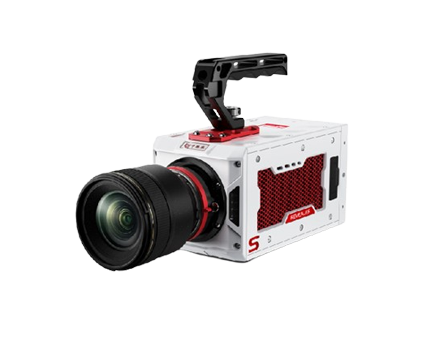
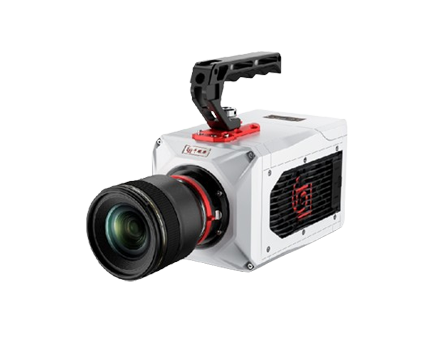
Conclusion: The Integrated Solution Selecting a camera for mobile use means viewing it as a critical subsystem. The Revealer M220M/C compact high-speed camera is engineered to meet these exacting demands. It combines a 2000fps and 1080P imaging core with a rugged, compact chassis, massive onboard storage, and low-power operation, making it the definitive choice for engineers who need to bring high-speed vision into motion.

 English
 Deutsch