The 15th National Conference on Quantum Imaging was held in Hangzhou on September 7. It is an academic conference based on quantum physics and new imaging mechanisms, methods, technologies and applications inspired by related quantum effects. It aims to develop new imaging technologies and applications. The conference brought together experts and scholars from many domestic universities and research institutes to discuss topics such as single-pixel imaging and new quantum imaging methods.

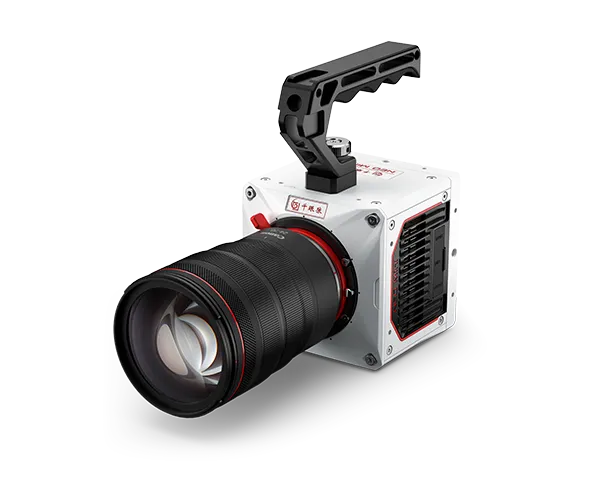
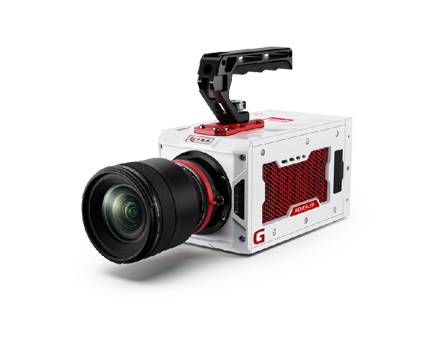
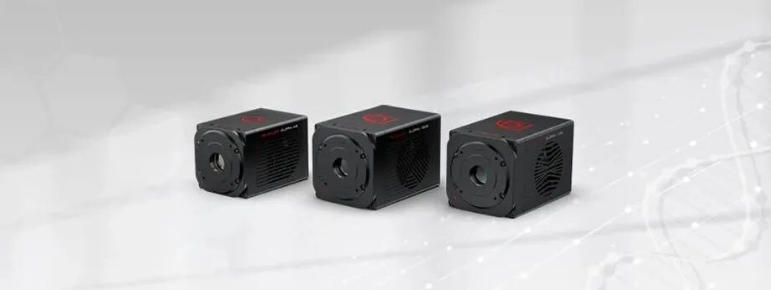
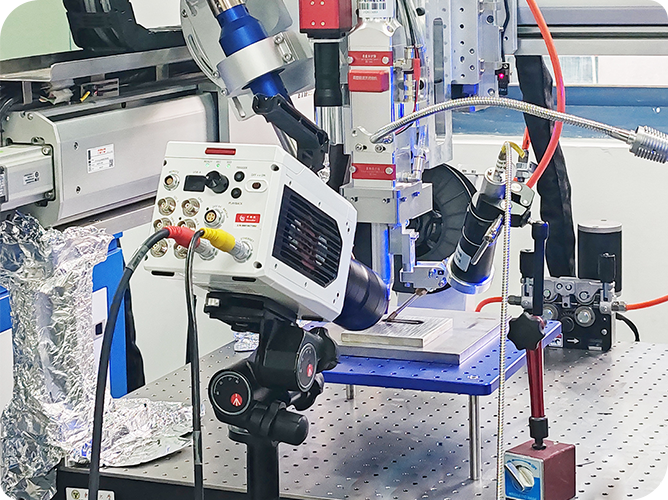
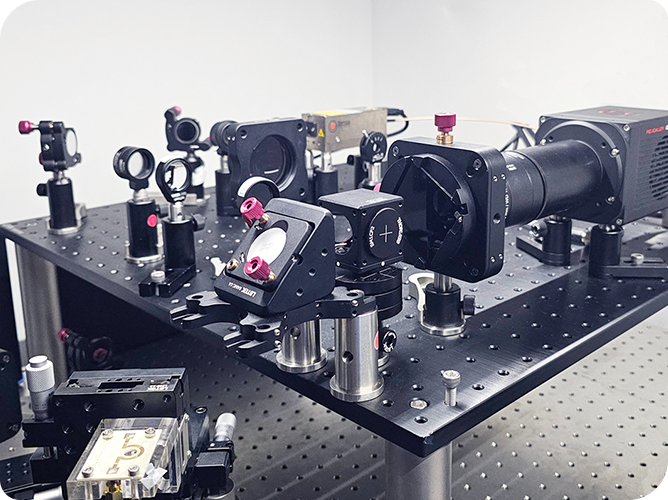
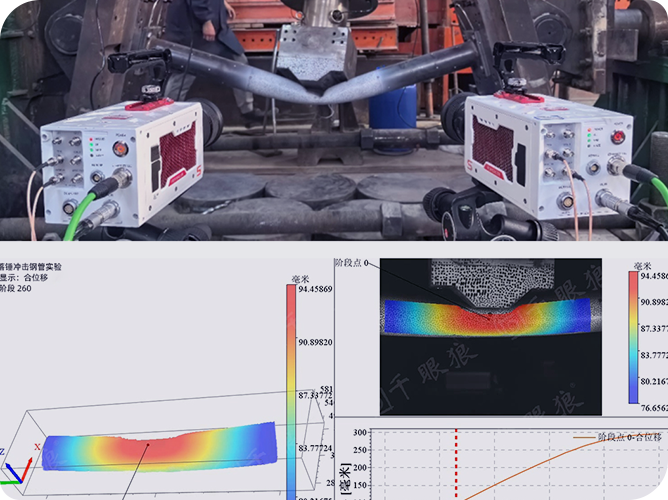
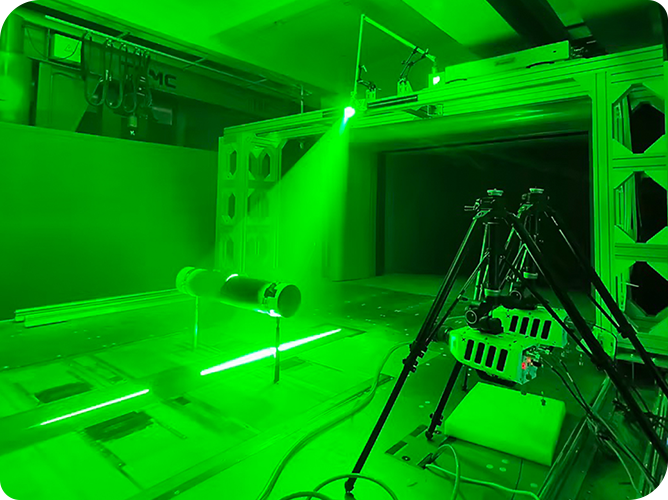
HF Agile Device Co.,Ltd showcased its independently developed Gloria series of Revealer sCMOS scientific cameras and demonstrated their applications in key research areas of quantum and photonics to participating experts and scholars .
As a cutting-edge field at the intersection of optics and quantum physics, the core requirement of quantum imaging is to capture extremely weak photon signals and analyze the evolution of quantum states. Imaging equipment must have photon-level detection sensitivity to capture extremely weak signals, sub-electron-level readout noise capabilities to ensure the signal-to-noise ratio of image data, and microsecond-level timing synchronization accuracy to achieve coordinated control with quantum manipulation equipment, laser equipment, etc.
The Gloria series of Revealer scientific cameras, developed by HF Agile Device Co.,Ltd , are specifically designed to meet the challenges of quantum imaging. They utilize scientific- grade back-illuminated sCMOS sensors certified to the EMVA1288 international standard , achieving significant improvements in quantum efficiency, noise control, and timing synchronization.
1. Quantum efficiency: Peak quantum efficiency ≥95% @560 nm, covering the 190-1100 nm spectral range, supporting the capture of extremely weak light signals from ultraviolet to near-infrared.
2. Readout Noise: Utilizing both air and water cooling technology, the device achieves a maximum cooling temperature differential of 45°C to 60°C. In water cooling mode, dark current is as low as 0.2 e-/pixel/s, effectively suppressing thermal noise and ensuring long-term stability of the experimental background, meeting the long-term observation requirements of quantum experiments.
3. Timing synchronization: Supports multiple trigger modes such as edge , level, and global reset, with a timestamp accuracy of 1μs. It can seamlessly connect laser pulses and timing controllers to ensure zero timing deviation for imaging and quantum manipulation .
At this conference, application engineers from HF Agile Device Co.,Ltd focused on demonstrating the applications of the Revealer sCMOS camera in cold ion cloud imaging and measurement, diamond NV color center fluorescence imaging, and single-molecule fluorescence imaging:
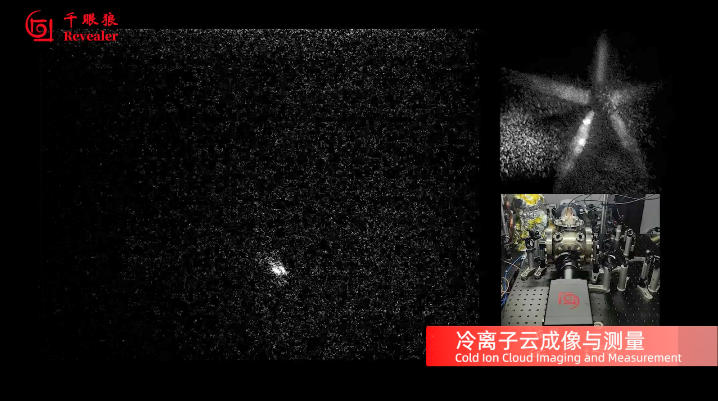
Cold ion clouds are ideal quantum systems for verifying the eigenstate thermalization hypothesis (ETH). Imaging the relaxation process of cold ion clouds from non-equilibrium to steady-state faces the challenges of weak signals and high dynamic range requirements. EMCCD camera imaging has gain instability that requires frequent calibration, and multiplicative noise reduces the effective quantum efficiency. The dynamic range is limited, making it difficult to synchronously capture the details of the bright/dark areas of the cold ion cloud.
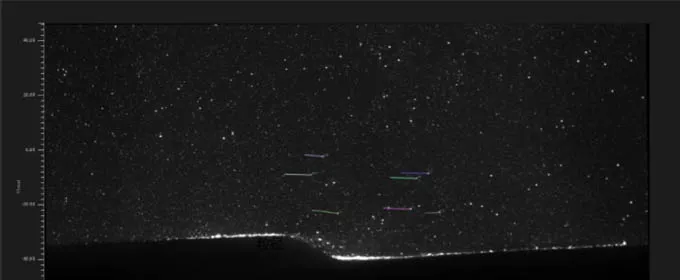
Revealer high-performance sCMOS camera Gloria 1605 from HF Agile Device Co.,Ltd boasts 800×600 resolution, a large 16 μm pixel size, low readout noise of less than 1 e-, 90.7% QE, 16-bit analog-to-digital conversion , and a 40,000:1 high dynamic range. These exceptional parameters significantly improve image quality and signal-to-noise ratio. Equipped with 532 nm laser illumination, a 100 ms exposure time , and low-noise mode, the camera utilizes color gradation to enhance contrast, enabling clear and stable imaging of trapped cold ion clouds within a vacuum cavity. Time-series images captured by the sCMOS camera, combined with the ROI grayscale statistics function of scientific imaging software, enable precise quantification of quantum dynamics fluctuations, providing data support for theoretical verification of the ETH Zurich (ETH).
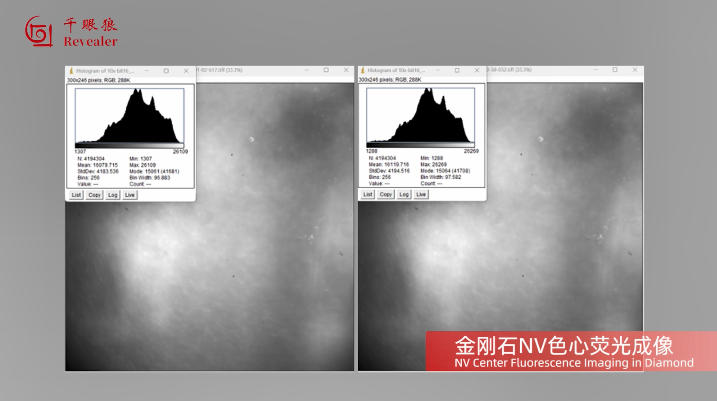
Diamond nitrogen-vacancy (NV) color centers are exceptional solid-state quantum sensors, their fluorescence intensity subtly varying with an external magnetic field. Conventional CCD and CMOS cameras suffer from high readout noise and limited full-well capacity , making them prone to readout noise dominance and incapable of detecting weak light signals.
sCMOS scientific camera developed by HF Agile Device Co.,Ltd features an ultra-low readout noise of 1.2 e- and a 16-bit high dynamic mode. It captures the grayscale value changes of the fluorescence signal when the diamond NV color center undergoes a Zeeman transition. Through the 16-bit image data captured in the camera's high dynamic mode, it can analyze the weak grayscale fluctuations caused by GS -level weak magnetic fields , providing experimental tools for the detection of magnetic fields of neuronal action potentials and the characterization of quantum device performance.
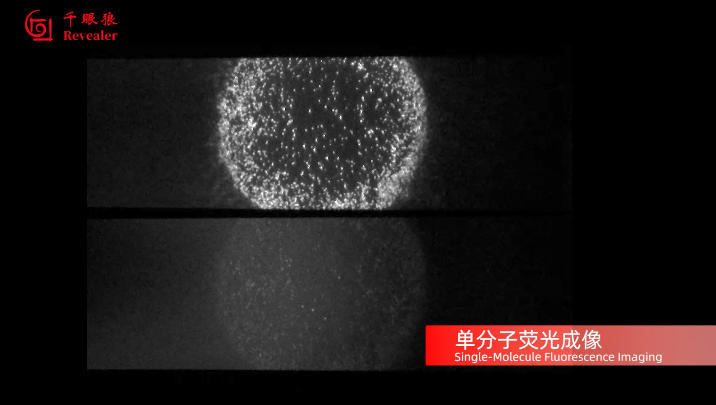
Single-molecule fluorescence imaging is mainly used to reveal microscopic mechanisms such as protein folding, nucleic acid interactions, and enzyme kinetics in the field of life sciences. It requires the imaging system to have the ability to detect single-molecule emission signals on the order of tens of photons and avoid saturation of adjacent strong fluorescent labels or background signals.
sCMOS camera Gloria 1605 from HF Agile Device Co.,Ltd is designed for low-light detection . μm large pixel design combined with 90.7% The Gloria 1605 features a high QE (Quadratic Emission) that efficiently captures weak single-molecule fluorescence signals down to the 20- photon level . Its 93 dB high dynamic range and 70 ke -full well capacity ensure weak fluorescence signals are not overwhelmed by noise while preventing saturation in areas of strong signals. Compared to EMCCDs, the Gloria 1605 maintains comparable performance while reducing procurement costs by approximately 50%, lowering the barrier to entry for scientific research.
The development of quantum imaging theory and technology is inseparable from the support of scientific imaging equipment. Revealer is committed to transforming invisible quantum states into "observable and measurable" scientific data, providing efficient imaging solutions for quantum imaging researchers.
 English
 Deutsch