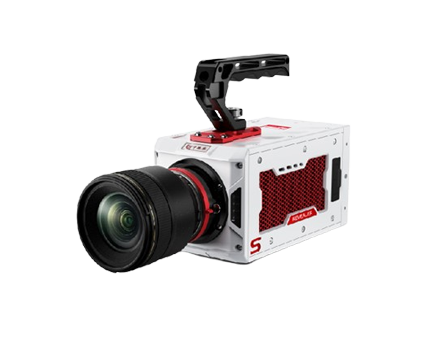
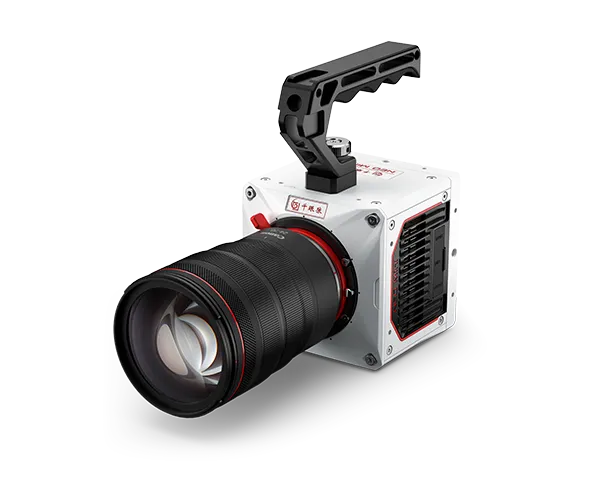
For engineers and researchers, the choice between a 1080P and a 4K high-speed camera is often framed as a trade-off: higher resolution versus higher frame rates or cost. However, as analysis demands grow more precise, the limitations of standard HD (1920x1080) are becoming more apparent. This guide outlines the key scenarios where upgrading to a 4K high-speed digital camera like the Revealer G820_Pro is not just an improvement—it’s a necessity.
The Core Difference: Pixel Count & Information Density
A true 4K sensor (such as 4096x2048) provides over four times the pixels of a 1080P sensor. This isn't merely about “sharper pictures”; it’s about capturing exponentially more spatial data within each and every frame. This fundamental increase in information density unlocks new analytical possibilities.
3 Key Signs You Need to Upgrade to 4K:
Your Field of View is Too Small, or Your Detail is Too Blurry.
The 1080P Limit: To see more of a scene, you must either use a wider lens (introducing distortion) or move the camera farther back (losing critical detail). Zooming in digitally on a 1080P image quickly reveals pixelation.
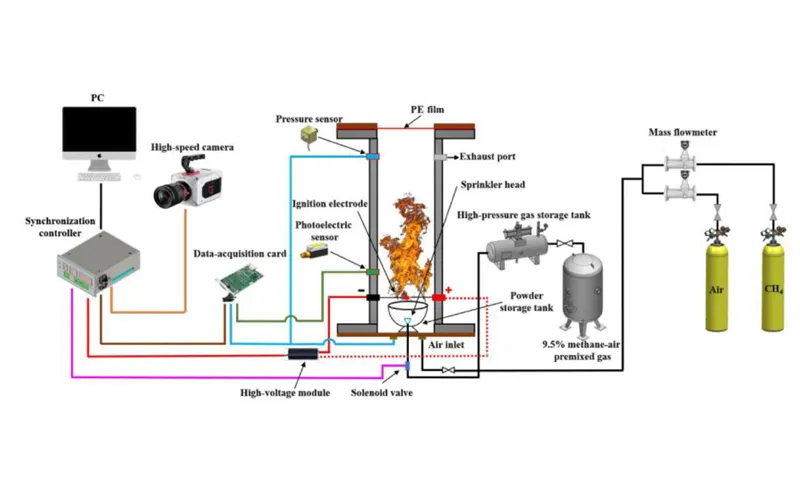
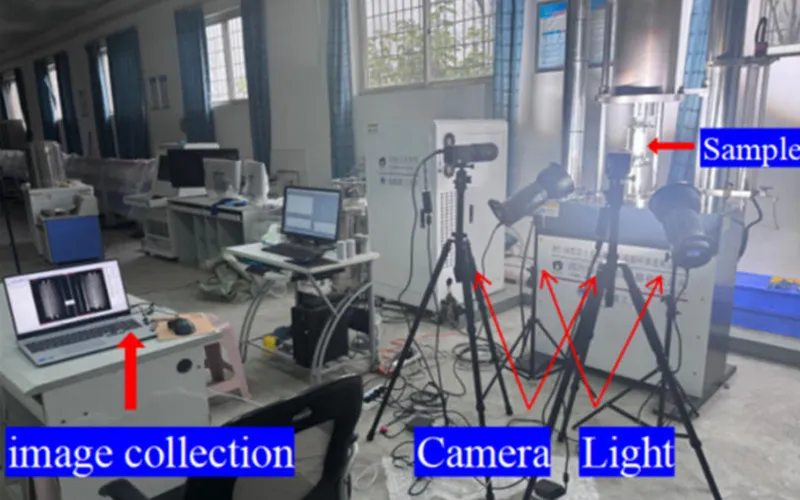
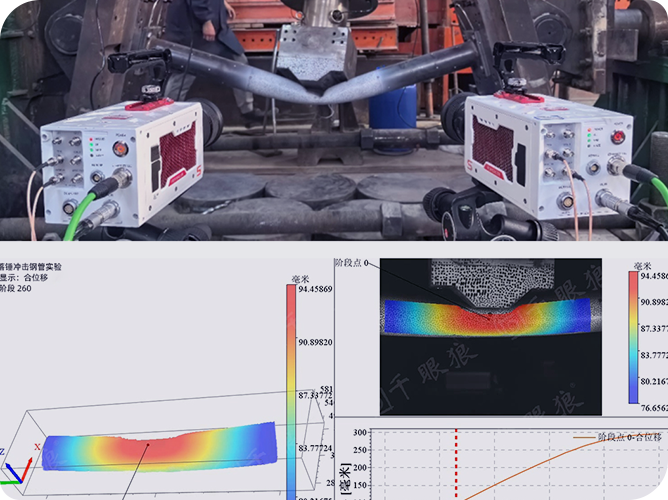
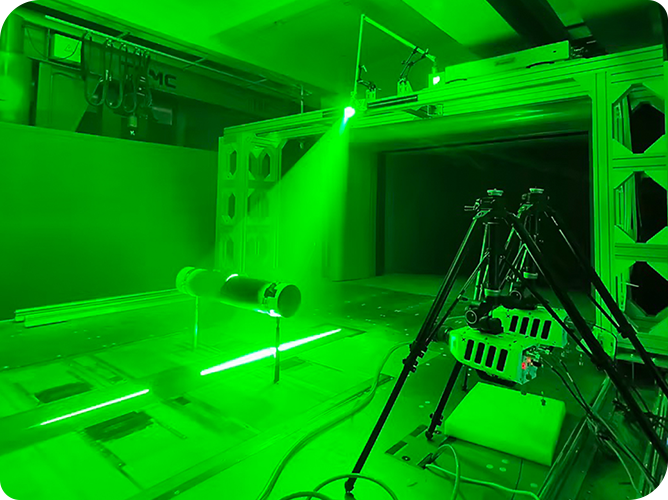
The 4K Advantage (with Revealer G820_Pro): With 4K, you can capture a much wider area while maintaining fine pixel-level detail. This is crucial for large-field optical tracking (e.g., tracking multiple debris pieces in a crash test) or full-field strain measurement using DIC, where the camera must see both the entire specimen and its micro-features simultaneously.
Your Post-Analysis is Constrained by Cropping or Digital Zoom.
The 1080P Limit: The region of interest (ROI) in your high-speed video often occupies only a portion of the frame. Cropping into that ROI with a 1080P source drastically reduces usable pixels, compromising measurement accuracy.
The 4K Advantage: A 4K source file acts as a massive data reservoir. You can aggressively crop or digitally zoom into a small section of the frame and still retain a full HD worth of pixels for robust, trustworthy analysis. This flexibility is invaluable for unexpected events or multi-focus studies within a single recording.
Your Output Quality Must Meet Modern Professional Standards.
The 1080P Limit: While sufficient for many internal reviews, 1080P footage can appear soft on modern 4K displays or when integrated into high-resolution production pipelines for broadcast or film.
The 4K Advantage: Cameras like the Revealer G820_Pro deliver cinematic 4K clarity that meets today’s production and documentation standards. This ensures your slow-motion evidence is compelling for clients, regulators, and publications, and future-proofs your visual assets.
Making the Upgrade: The Revealer G820_Pro as Your 4K Solution
Upgrading to 4K requires a camera engineered to handle the immense data flow without compromise. The Revealer G820_Pro is built for this task, combining its high-resolution 4K sensor with a large APS-C global shutter for distortion-free capture, a proprietary optical system for optimal light efficiency, and a 10Gb Ethernet interface for rapid data offload.
Conclusion: It’s About Data, Not Just Pixels
The decision to move from 1080P to 4K in high-speed imaging hinges on your need for richer spatial data. If your work involves large scenes, detailed post-analysis, or professional-grade output, the limitations of 1080P are actively hindering your insights. In these cases, an investment in a capable 4K high-speed digital camera is the definitive step towards more authoritative results.
Ready to see the difference 4K can make for your application? Explore the technical specifications and application cases for the Revealer G820_Pro 4K High-Speed Camera.

 English
 Deutsch