Email Us
中文
Digital Image Correlation(DIC) Measurement System

Professional 3D Digital Image Correlation (DIC) Systems & Software for Full-Field Strain Analysis

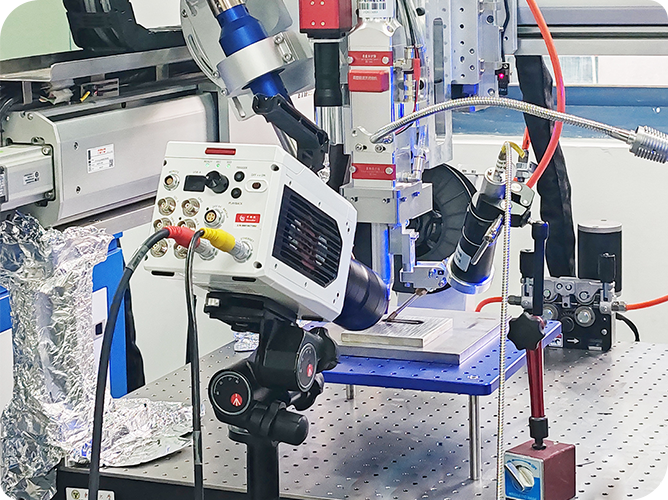
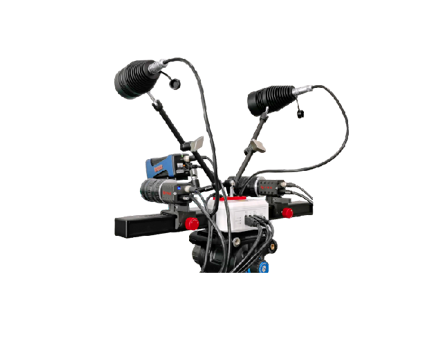
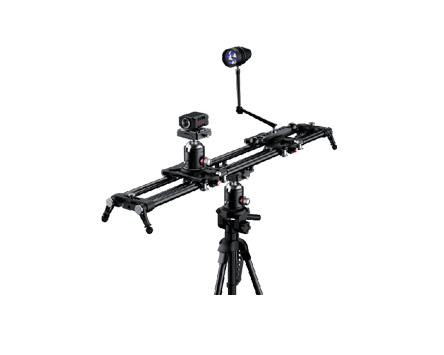
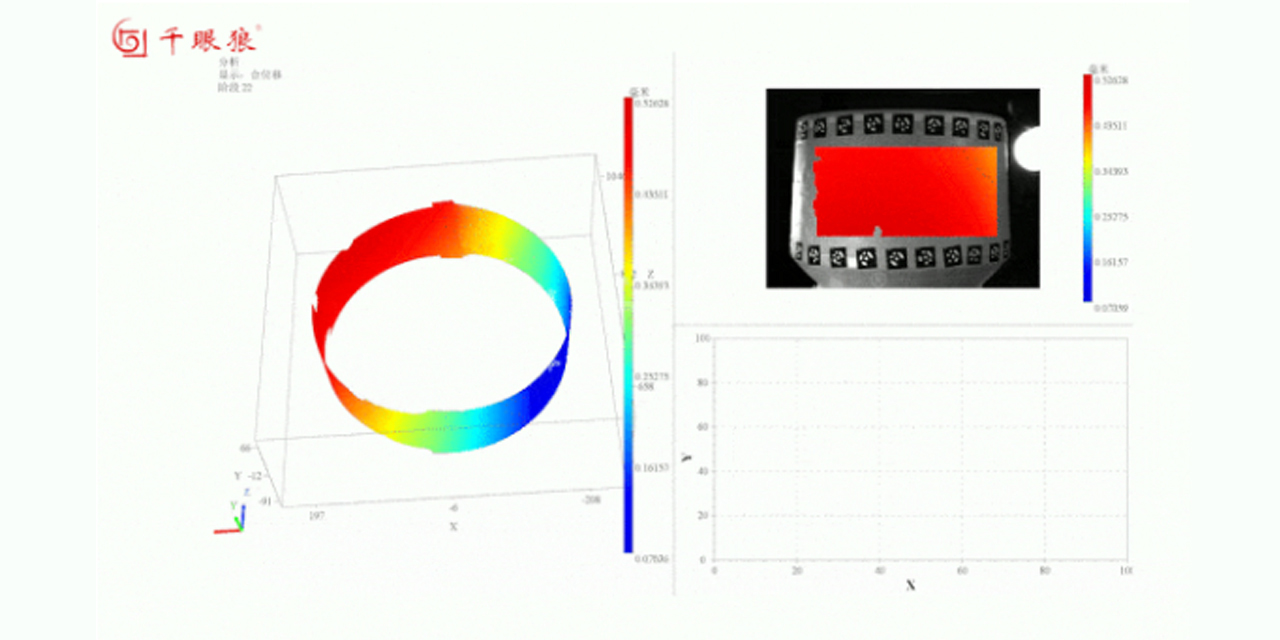
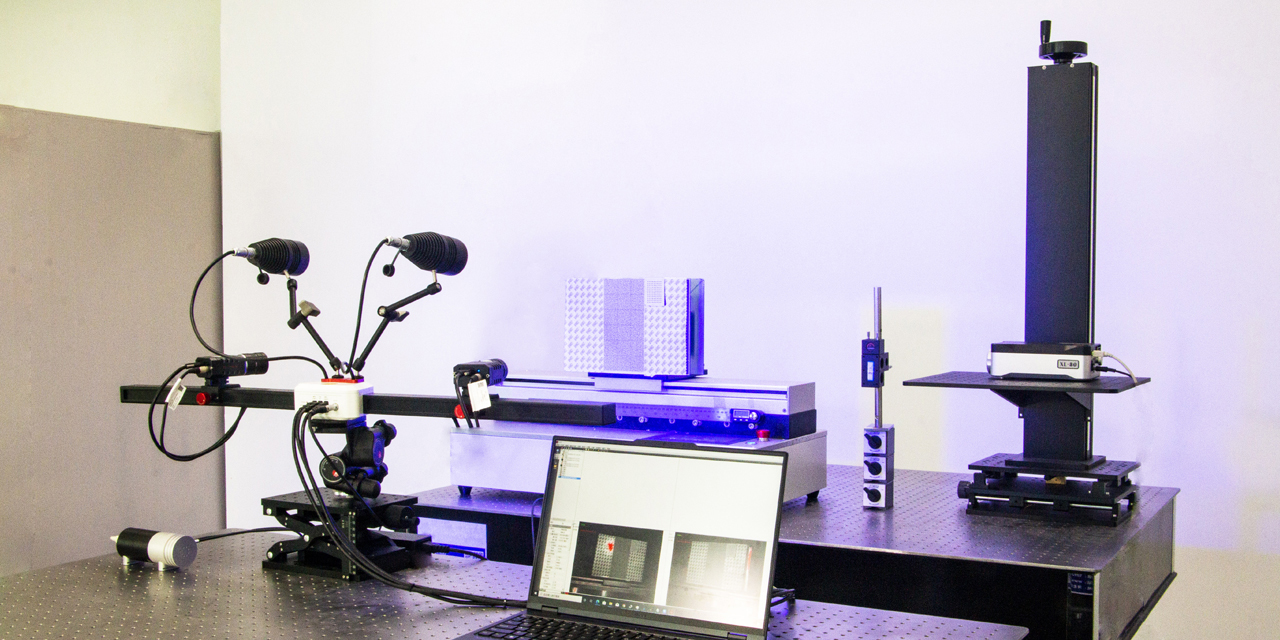
Digital Image Correlation (DIC) is a powerful non-contact optical technique that measures full-field displacement and strain on material surfaces with sub-pixel accuracy. A complete DIC system typically includes stereo high-speed cameras, advanced correlation software, calibration tools, and synchronization hardware.


As the direct manufacturer of precision optical instruments, Revealer provides wholesale-ready Digital Image Correlation (DIC) systems— a key technology for anyone asking what is digital image correlation (DIC). Our solutions deliver non-contact, full-field 3D strain and deformation measurement, with optional integrated vibration analysis and thermal imaging. Engineered for rigorous applications in materials testing, biomechanics, and automotive validation, Revealer DIC systems offer laboratory-grade accuracy at scalable, value-driven pricing for partners and high-volume users seeking competitive DIC camera price options.

Why Partner with Revealer for DIC Systems?

  • Direct Manufacturer: No middleman, ensuring the most competitive DIC system price.

  • Customizable Hardware: We can configure the system with cameras ranging from 2MP to 21MP or speeds up to 100,000 FPS.

  • Proprietary Software: Our RDIC software is updated regularly based on the latest fracture mechanics research.

  • Global Support: Technical consultation for complex experimental setups (High-temperature, underwater, or micro-scale).


What's Included in a Complete Revealer 3D DIC System?

Our turnkey DIC solutions integrate high-performance hardware with AI-driven analysis software:

  • Dual High-Speed/High-Res Cameras: Optimized for low-noise speckle tracking.

  • Proprietary RDIC Software: For real-time 3D coordinate and strain calculation.

  • High-Precision Calibration Plates: Ensuring sub-microsecond spatial accuracy.

  • Sync-Trigger Controller: Eliminating jitter between dual-camera captures.

  • Graphics Workstation: Pre-configured for massive data throughput.


Revealer DIC Series: Selection Guide


System TypeApplicationKey HardwareMeasurement Mode
High-Speed DICImpact, Ballistics, VibrationUltra High-Speed CamerasDynamic (Up to 1M FPS)
Quasi-Static DICTensile Tests, Civil EngHigh-Resolution CamerasStatic / Slow Dynamic
High-Temp DICAerospace, Marine EngThermal Imager + DIC CamCoupled Thermal/Strain
Educational DICUniversity Labs, TrainingCompact All-in-One2D / 3D Basics
Video ExtensometerRoutine Material TestingHigh-Precision Optical HeadLong-duration Strain


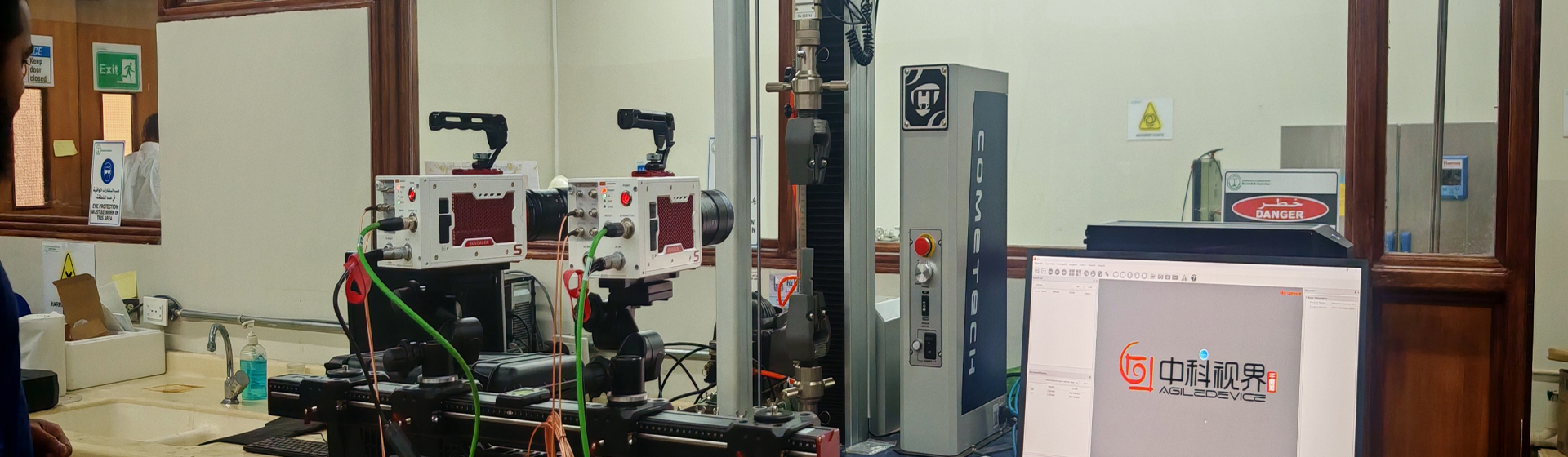
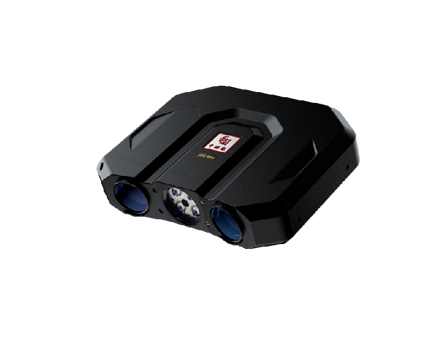
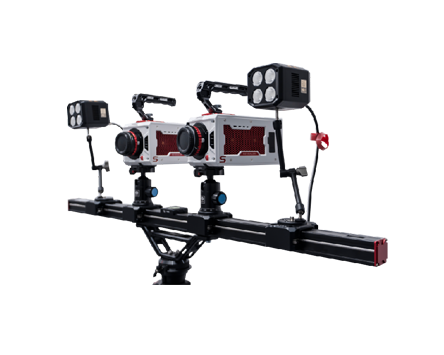
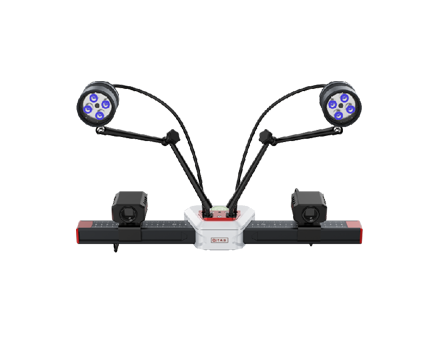
Types of Digital Image Correlation(DIC) Measurement System

How DIC Systems Integrate with High-Speed Cameras

A complete Digital Image Correlation (DIC) system relies heavily on high-performance cameras to capture high-quality image sequences for accurate full-field strain and deformation measurement. Revealer DIC systems are specifically designed to integrate seamlessly with our scientific high-speed cameras, delivering superior synchronization and image quality for both dynamic and quasi-static testing.

Why High-Speed Cameras Are Essential for DIC

Traditional cameras often fail in dynamic DIC applications due to insufficient frame rates, rolling-shutter distortion, or poor low-light performance. Revealer high-speed cameras overcome these limitations with:


  • Global shutter sensors that eliminate image distortion during rapid motion

  • High frame rates (up to 25,000 FPS or higher) for capturing high-strain-rate events

  • Back-illuminated (BSI) CMOS sensors with excellent quantum efficiency for clear imaging even under short exposure times

  • Microsecond-level precise synchronization between multiple cameras


How the Integration Works

Revealer DIC measurement systems work together with our high-speed cameras through:


  • Hardware Synchronization: External triggering and multi-camera sync ports ensure perfectly timed image capture across stereo or multi-view setups.

  • Software Integration: The RDIC software directly controls camera parameters (exposure, frame rate, resolution) and performs real-time or post-processing correlation analysis.

  • Speckle Pattern Compatibility: High-resolution images from Revealer cameras enable high-contrast speckle patterns for sub-pixel measurement accuracy (typically 0.01–0.05 pixels).


This tight integration allows users to perform high-speed DIC tests such as:


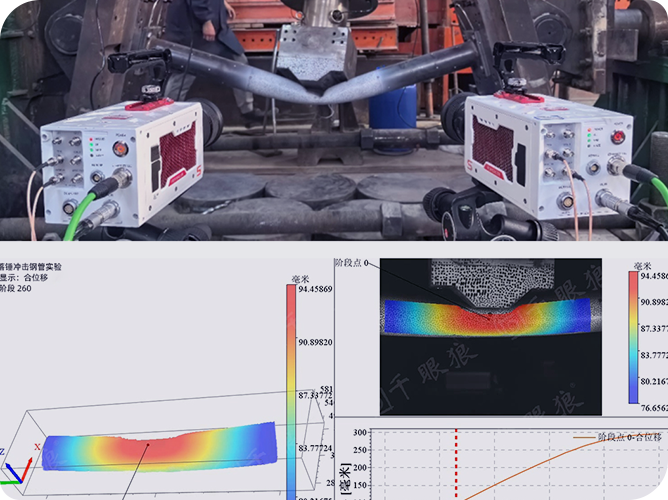
  • Impact and drop hammer experiments

  • Split Hopkinson Pressure Bar (SHPB) testing

  • Vibration and modal analysis of aero-engine blades

  • Dynamic fracture and crack propagation studies

  • High-temperature material testing


Benefits of Using Revealer High-Speed Cameras with DIC Systems


True full-field, non-contact strain mapping at high speeds

Higher data accuracy and repeatability compared to traditional strain gauges

Flexible configurations from educational labs to advanced research institutes

One-stop solution: cameras, DIC software, calibration targets, and technical support all from Revealer


By combining Revealer high-speed cameras with our DIC systems, researchers and engineers can achieve research-grade results with excellent cost-performance ratio.

Ready to build your high-speed DIC system?

View Our High-Speed Cameras

Contact Us for DIC System Configuration


Applications of Digital Image Correlation (DIC) Systems

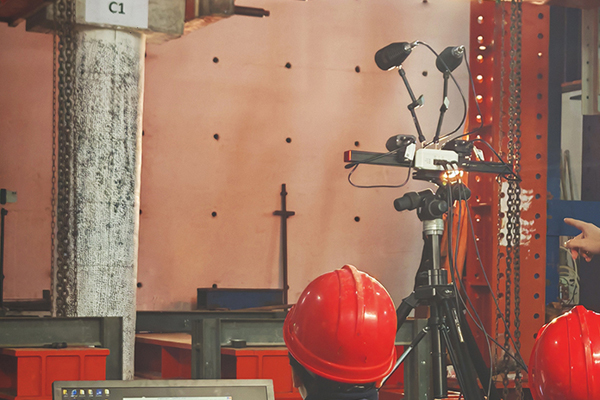
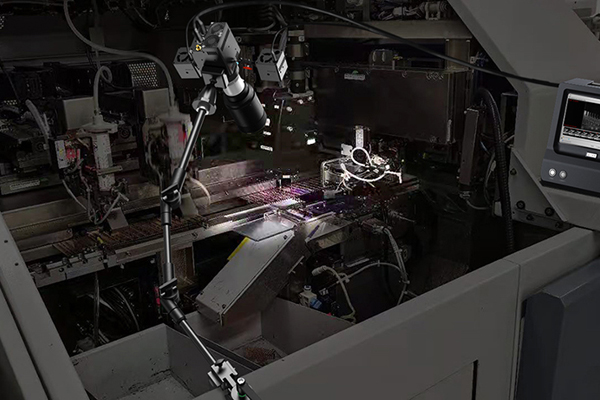
Revealer Digital Image Correlation (DIC) systems are widely used across multiple industries for non-contact, full-field strain, deformation, and vibration measurement. With high accuracy and excellent compatibility with high-speed cameras, our DIC systems deliver reliable data in both research and industrial environments.


Aerospace and Defense


Full-field strain mapping on aircraft components and composite materials

Modal and vibration analysis of aero-engine blades and turbine components

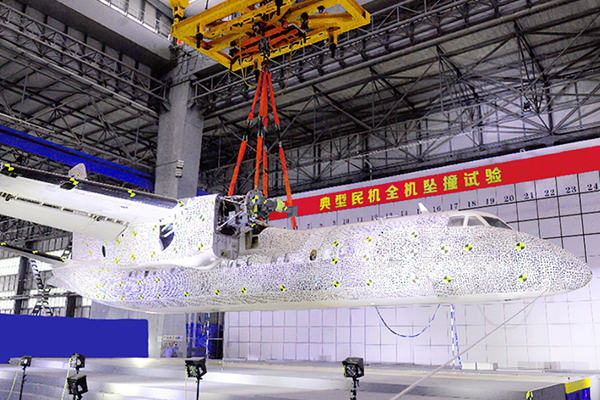
High-speed DIC for bird strike, landing gear impact, and structural crash testing

Thermal deformation measurement under extreme temperature conditions


Automotive and Transportation


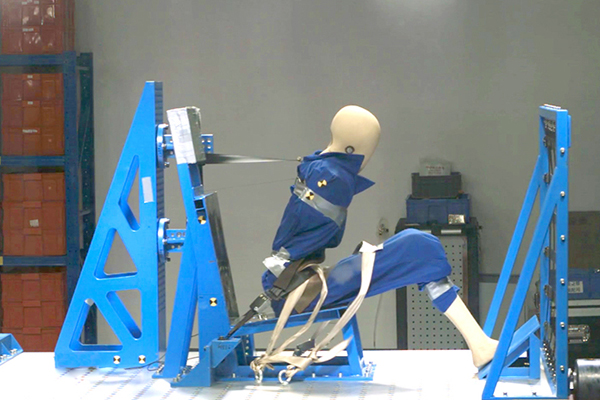
Crash testing and deformation analysis of vehicle bodies and safety components

Drop test evaluation of batteries, screens, and electronic modules

Material fatigue and durability testing for chassis and suspension parts

High-strain-rate behavior study of lightweight materials (aluminum, carbon fiber)


Materials Science and Mechanical Engineering


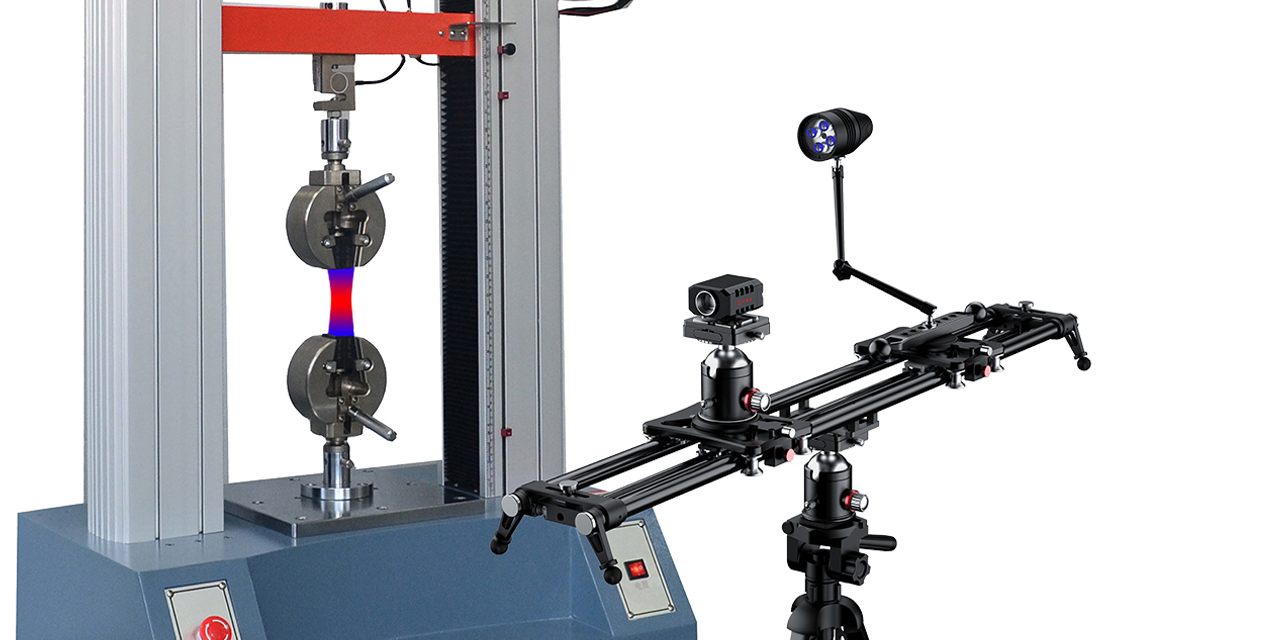
Tensile, compression, and bending tests with full-field strain distribution

Fracture mechanics and crack propagation analysis

High-temperature DIC for creep and thermal expansion studies

Additive manufacturing – residual stress and distortion measurement during printing and post-processing


Civil Engineering and Infrastructure


Structural health monitoring of bridges, buildings, and pipelines

Concrete and steel reinforcement deformation under load

Seismic simulation and dynamic response analysis

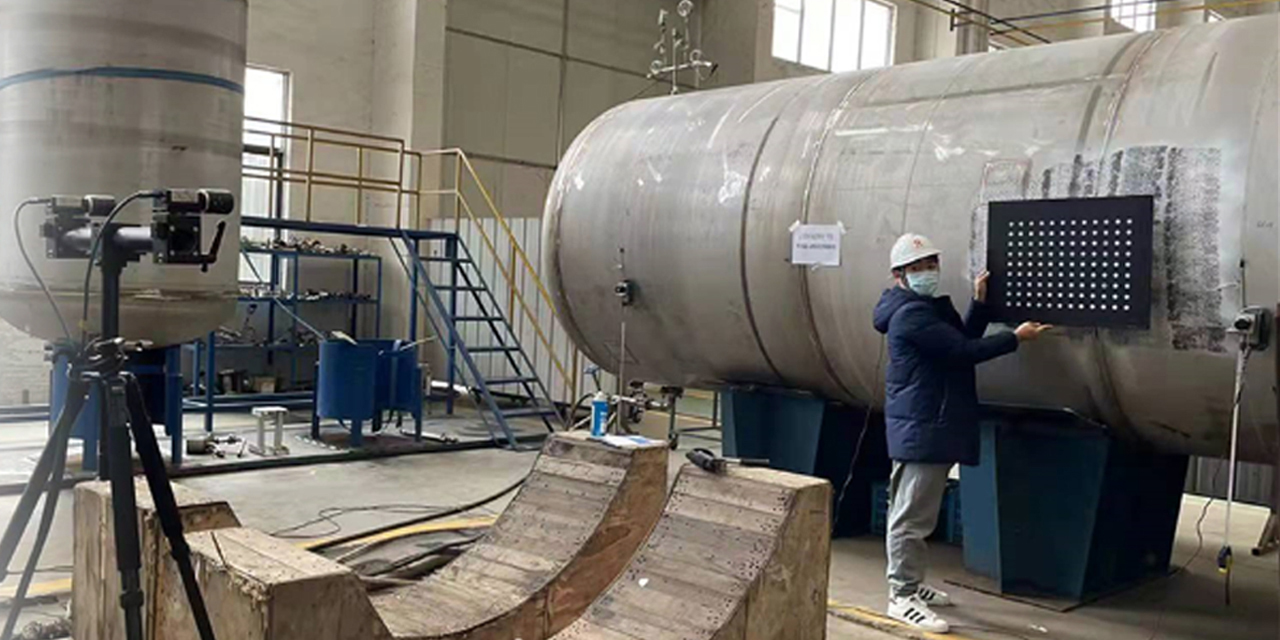
Non-destructive testing of large-scale civil structures


Biomedical and Life Sciences


Biomechanical testing of bones, implants, and soft tissues

Dynamic deformation analysis of medical devices under impact

High-speed DIC for studying biological materials and prosthetics


Education and Research Institutions


University laboratories for teaching experimental mechanics

Fundamental research in solid mechanics, fracture, and vibration

Affordable educational DIC systems for undergraduate and graduate experiments


Revealer DIC systems support both quasi-static and high-speed testing modes, making them versatile for almost any application that requires precise, non-contact full-field measurement.

Looking for DIC solutions in your specific industry?

Contact Revealer for tailored DIC system recommendations



Buyer’s Guide: How to Choose the Right DIC System for Your Lab

Selecting a Digital Image Correlation (DIC) system is a significant investment. To ensure you get the highest accuracy for your specific application while staying within budget, consider these four critical factors:


1. Determine Your Strain Rate: Dynamic vs. Static

The speed of your experiment dictates the camera technology required:


Dynamic Events (Impact, Explosion, Vibration): Requires a High-Speed DIC system. You will need cameras capable of 1,000 FPS to 1,000,000 FPS to capture transient deformation without motion blur.


Quasi-Static Tests (Tensile, Compression, Creep): A High-Resolution DIC system (5MP to 21MP) at lower frame rates (1-50 FPS) is ideal. This prioritizes spatial detail and sub-pixel precision over speed.


2. Define the Field of View (FOV): Micro to Macro

The size of your specimen determines the optics and lighting setup:


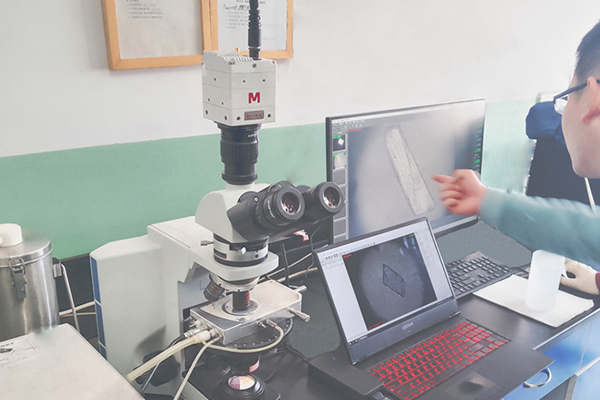
Small Scale (Micro-DIC): For electronic components or biomaterials, you may need microscope-compatible DIC systems with high-magnification lenses.


Large Structures (Civil Engineering): For bridges or aircraft wings, you need high-intensity lighting and wide-angle lenses to cover meters of surface area while maintaining calibration accuracy.


3. Dimensional Requirements: 2D vs. 3D DIC

Do you need to measure out-of-plane movement?


2D DIC: Uses a single camera. Best for flat specimens and strictly in-plane loading. It is more cost-effective but cannot account for surface curvature or Z-axis displacement.


3D DIC (Stereo-DIC): Uses dual synchronized cameras. This is the industry standard for complex geometries, as it captures full-field 3D coordinates, out-of-plane displacement, and surface strain.


4. Budget & Scalability: Understanding DIC System Prices

DIC system prices vary significantly based on sensor noise levels, frame rates, and software features.


Manufacturer Direct Advantage: Buying directly from Revealer eliminates middleman markups, providing professional-grade hardware at a fraction of the cost of redistributed brands.


Transparent Quotations: We offer flexible configurations to fit university research budgets or industrial R&D requirements.


Expert Tip: Don't pay for speed you don't need. If your tests are primarily tensile, investing in higher bit-depth (12-bit) sensors is more valuable than ultra-high frame rates.


FAQs of Digital Image Correlation(DIC) Measurement System

What are the types of errors in DIC measurement? What are their sources? How can they be quantified?

DIC mainly has random errors and systematic errors. Random errors originate from camera noise, while systematic errors come from camera drift, heating, temperature variations, and vibrations. Random errors are quantified through spatial and temporal standard deviations. The spatial standard deviation is calculated by computing the spatial standard deviation of the Quantity of Interest (QOI) for each image, and then averaging the spatial standard deviations of all stationary images in the time domain. The temporal standard deviation is calculated by computing the standard deviation of the QOI for each sub-region in the time domain, and then averaging the temporal standard deviations of all sub-regions within the Region of Interest (ROI).

How to match and superimpose the deformation field and temperature field measured by DIC?

Calibrate and align the visible light camera with the infrared camera using an infrared calibration panel, so that the strain field and the temperature field are in the same coordinate system.

Can the speckle in DIC be replaced by a laser projection?

No. Although laser projection can produce high-brightness patterns, its inherent speckle phenomenon and characteristics such as uncontrollable randomness and uniqueness make it difficult to directly replace the speckle in DIC.

In what scenarios can 2D-DIC be used for approximate measurement? What are the quantitative indicators?

Measurement Scenarios for 2D-DIC: Plane specimen testing, small deformation measurement, and observation from specific viewpoints.

Quantitative Indicators: Displacement measurement accuracy, strain measurement accuracy, measurement range, resolution, and signal-to-noise ratio.


How accurate can displacement measurements be using DIC?

The theoretical displacement measurement accuracy can reach 0.01 pixels.

Why Revealer DIC Systems?

Traceable Accuracy & Validated Performance

Our RDIC software algorithms and calibration procedures are rigorously benchmarked against laser interferometers and standard reference materials. This ensures your strain measurements are not just precise, but metrologically traceable, providing the confidence needed for publishable research and compliance testing.

Open Architecture for Integrated Labs

Our systems are designed for your workflow. Seamlessly synchronize with universal testing machines (UTMs) via analog/digital I/O, integrate industrial cameras for specific needs, or combine with infrared thermal imagers for thermo-mechanical analysis. The RDIC software API supports custom automation and data fusion.

Intuitive RDIC Software: From Setup to Report

Move from complex configuration to clear results faster. Our self-developed RDIC software guides you through calibration, acquisition, and analysis with an intuitive interface. Advanced features like automated speckle analysis, robust strain calculation, and comprehensive reporting tools are built-in, reducing the learning curve and accelerating your time-to-insight.


What is 3D Digital Image Correlation and how does it work?

3D Digital Image Correlation is a non-contact optical measurement technique that uses two or more cameras to track the displacement of a speckle pattern applied to a surface. By comparing images before and after deformation, our RDIC software calculates full-field 3D displacements and strains with micron-level accuracy. The process involves: 1) Applying a high-contrast speckle pattern, 2) Capturing synchronized images from multiple angles, 3) Calibrating the camera system, 4) Tracking pattern subsets through deformation, 5) Computing displacement fields and deriving strain tensors.

How accurate are displacement measurements using DIC?

The accuracy of Revealer DIC systems depends on several factors including camera resolution, calibration quality, and speckle pattern quality. Under optimal conditions:

Displacement accuracy: Typically 0.01-0.05 pixels (sub-micron with proper magnification)

Strain accuracy: 50-100 microstrain (με) for most applications

Calibration accuracy: <0.05% with our precision calibration targets

Our systems are benchmarked against laser interferometers to ensure measurement traceability.


What are the main features of Revealer's DIC software?

Our proprietary RDIC software suite includes:

Real-time processing: Live strain visualization during tests

Advanced algorithms: Robust subset matching with sub-pixel accuracy

Multi-format export: CSV, HDF5, VTK for integration with FEA software (Abaqus, ANSYS)

Automated reporting: Generate comprehensive test reports with customizable templates

API access: Python and MATLAB interfaces for custom analysis pipelines


When should I choose 3D-DIC over 2D-DIC?

2D-DIC is suitable for flat surfaces with purely in-plane movement. However, for most industrial applications where the specimen might bend, vibrate, or have a curved geometry, 3D Digital Image Correlation is essential. It uses stereo-vision to eliminate errors caused by out-of-plane motion, providing much more reliable strain data.

Application of Digital Image Correlation(DIC) Measurement System
Contact with Us
Add:
Fuhuang Intelligent New Vision Building, Baohe District, Hefei City, China.
Seek expert advice to select the ideal optical measurement instruments for your specific needs.
Quick Links
Contact Us
Email:
sales@revealerhighspeed.com
Add:
Fuhuang Intelligent New Vision Building, Baohe District, Hefei City, China.
Quick Links
Add:
Fuhuang Intelligent New Vision Building, Baohe District, Hefei City, China.