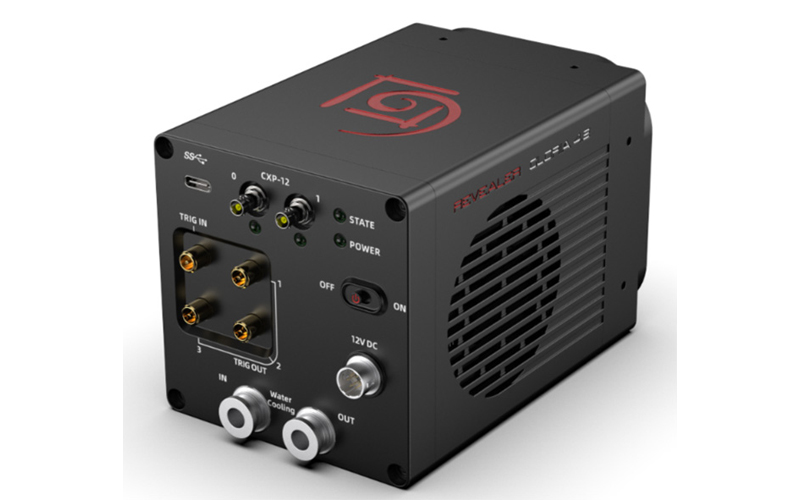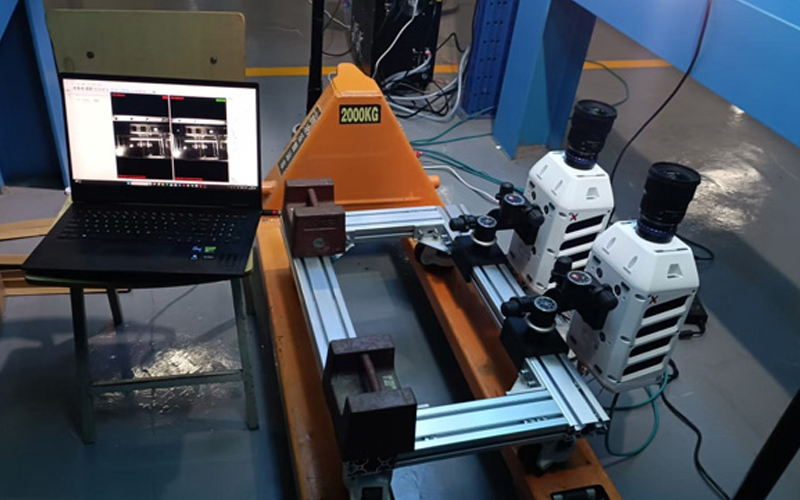
Using the Revealer S1315 high-speed camera, observations were conducted on dynamic molten pool behavior under laser welding conditions at a resolution of 1280×1024 and 5000 fps frame rate. Differences in molten pool morphology and stability between stainless steel and aluminum alloy substrates were compared and analyzed, providing experimental foundations for welding mechanism research and process optimization.
Laser-arc hybrid welding is essentially a transient melting and solidification process driven by multi-physical field coupling.
Affected by factors such as molten pool fluid flow, metal evaporation, surface tension gradient, and arc pressure, the welding process exhibits highly non-stationary characteristics.
Traditional post-process analysis methods struggle to capture critical process dynamics, whereas high-speed imaging technology based on high-speed cameras provides a powerful visualization method for revealing molten pool behavior and welding mechanisms.
Researchers from the Intelligent Welding Research Institute addressed the difficulty of directly observing molten pool states during laser-arc hybrid welding by introducing the high temporal resolution imaging technology independently developed by Agile Device—the Revealer system—to conduct comparative analysis of molten pool dynamics under different material conditions, providing experimental support for spatter suppression, defect control, and welding process optimization.
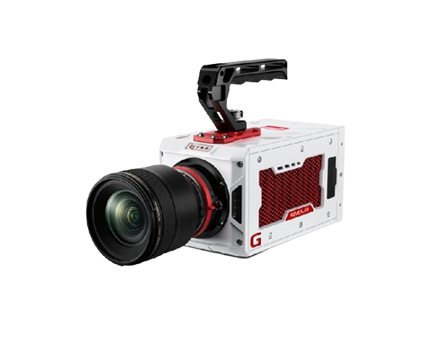
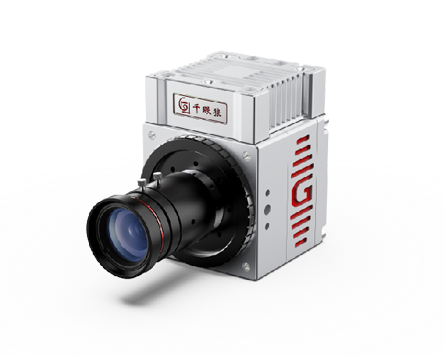
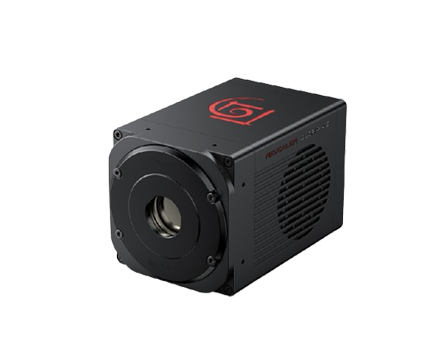
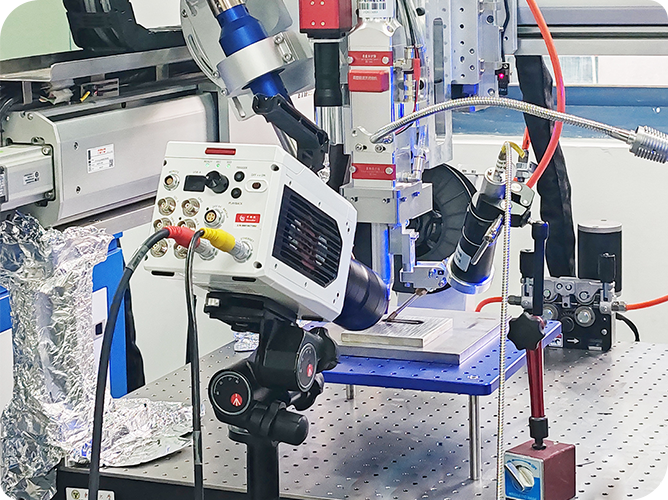
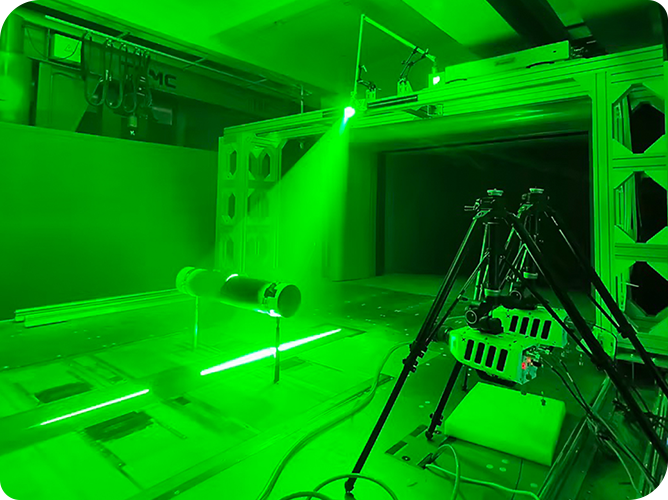
The experiment employed the Revealer S1315 high-speed camera, featuring high sensitivity, short exposure time, and adaptability to long working distance imaging. At a resolution of 1280×1024, it can achieve a frame rate of up to 15,000 fps. In this experiment, a sampling rate of 5000 fps was used to balance field of view and temporal resolution.
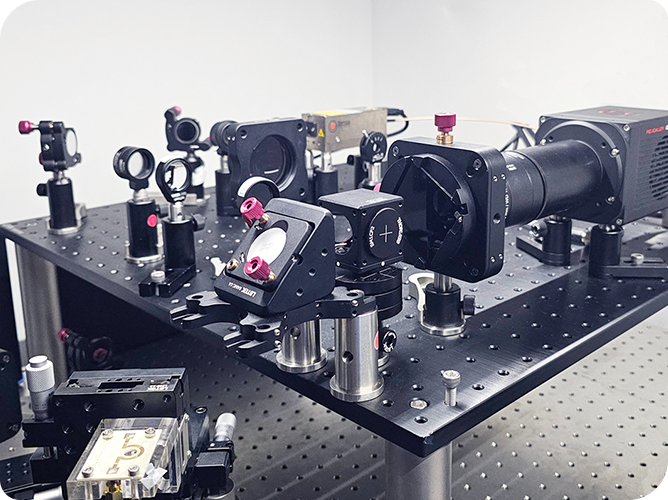
The optical imaging system utilized a 100 mm macro lens combined with an optical extender, enabling high-resolution observation of microscale molten pool regions (hundreds of microns).
Illumination was provided by a pulsed laser light source, with an 808 nm narrowband optical filter introduced to suppress strong interference from welding arc radiation and thermal emission, thereby improving image contrast, edge detection, and flow visualization of the molten pool.
The high-speed camera system was mounted using a tripod stabilization system and pan-tilt platform, and an F-mount adapter ensured stable camera-lens integration.
The welding system consisted of a laser-arc hybrid welding platform, with the heat source composed of a fiber laser and a digital welding power supply. Argon shielding gas was used with a constant gas flow rate.
To systematically compare the molten pool dynamic behavior of aluminum alloy and stainless steel during laser-arc hybrid welding, a single-variable experimental design was adopted, using base material type as the only variable while maintaining consistent heat input, shielding gas flow rate, and other welding parameters.
The high-speed imaging system was first calibrated through field-of-view calibration and optical path optimization. The combination of macro optics and magnification optics enabled precise focus control and region-of-interest (ROI) imaging of the molten pool.
The exposure time was reduced to the microsecond level, and combined with a spectrally matched narrowband filter, high signal-to-noise ratio (SNR) transient images of the molten pool were obtained.
After initiating the welding process, the Revealer S1315 high-speed camera was synchronously triggered with the welding power system, enabling synchronized process monitoring. A sampling rate of 5000 fps was used for continuous time-resolved recording of molten pool evolution, covering the entire process from arc ignition, quasi-steady state welding, to arc extinction.
Each material condition was recorded three times under identical process conditions to ensure experimental repeatability and data reliability.
Frame-by-frame image analysis of the high-speed imaging data reveals significant differences in molten pool morphology, fluid flow behavior, and spatter characteristics between stainless steel and aluminum alloy:
I. Stainless Steel Base Material:
The molten pool morphology exhibits a relatively regular elliptical shape, with clear and continuous molten pool boundaries and low surface fluctuation amplitude.
The central region shows higher and concentrated thermal intensity (brightness distribution), indicating stable energy input distribution.
The liquid metal flow is characterized by slow surface recirculation flow without significant turbulence.
This behavior corresponds to the low thermal conductivity of stainless steel, which restricts lateral heat transfer, maintaining a high temperature gradient and stable molten pool geometry.
Additionally, relatively mild variations in surface tension gradient suppress strong fluid instability, reducing spatter formation and enhancing weld stability.
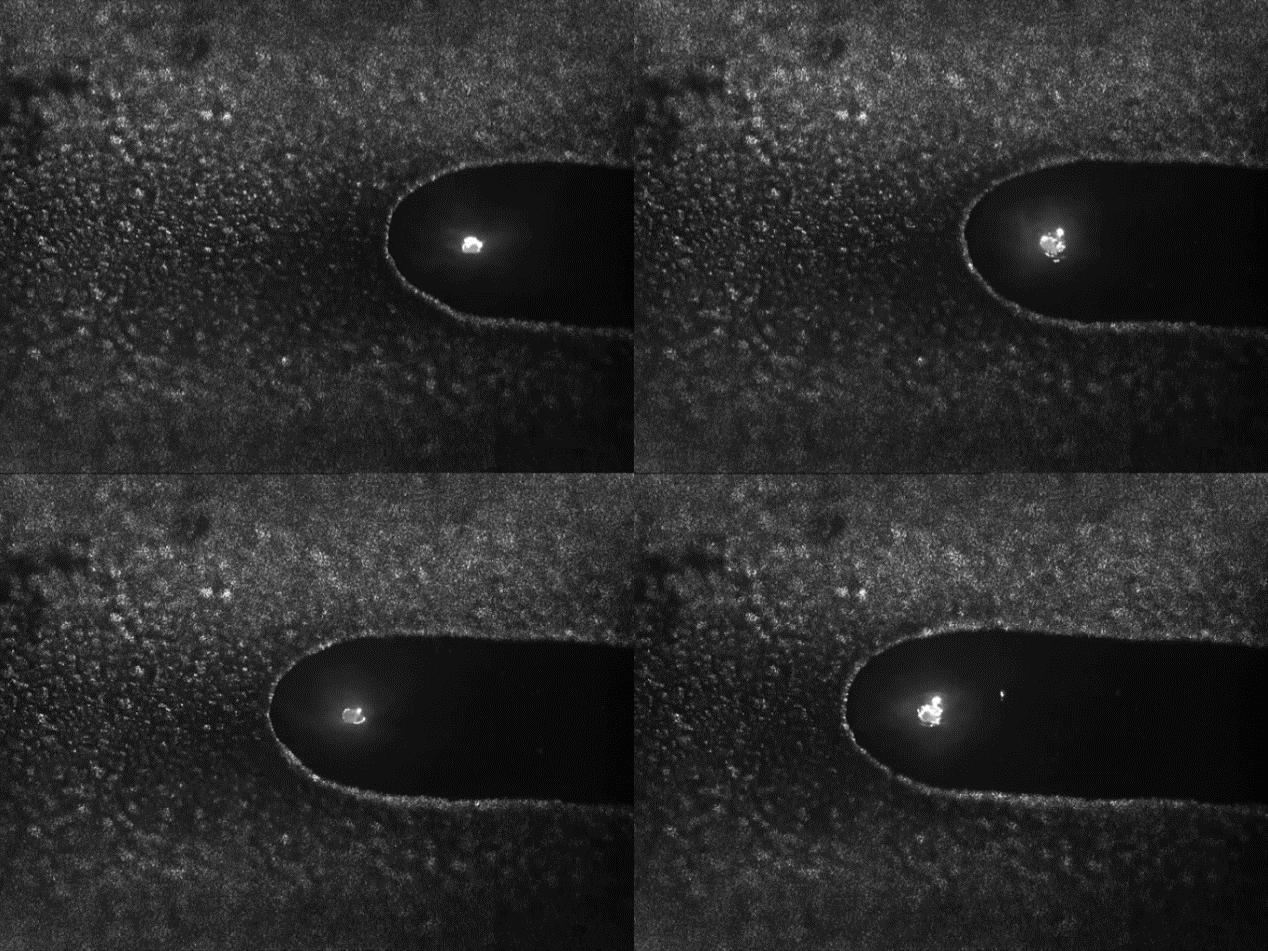
Figure 1 Molten pool evolution of stainless steel substrate at 0.4 ms, 100.4 ms, 200.4 ms and 300.4 ms
II. Aluminum Alloy Base Material:
From the high-speed camera image sequences, the molten pool boundary appears highly irregular, with localized collapse phenomena.
The molten pool surface exhibits strong dynamic fluctuations, and the number of spatter particles increases significantly, showing multi-directional ejection behavior.
This indicates strong fluid instability, vaporization effects, and dynamic flow disturbance within the molten pool.
These characteristics are primarily attributed to the high thermal conductivity of aluminum alloy.
At elevated temperatures, aluminum undergoes intense metal evaporation, generating significant recoil pressure.
Under the combined effects of recoil pressure and surface tension gradients, Marangoni convection and unstable flow patterns are induced, leading to molten pool instability, enhanced spatter generation, and a typical non-equilibrium welding state.
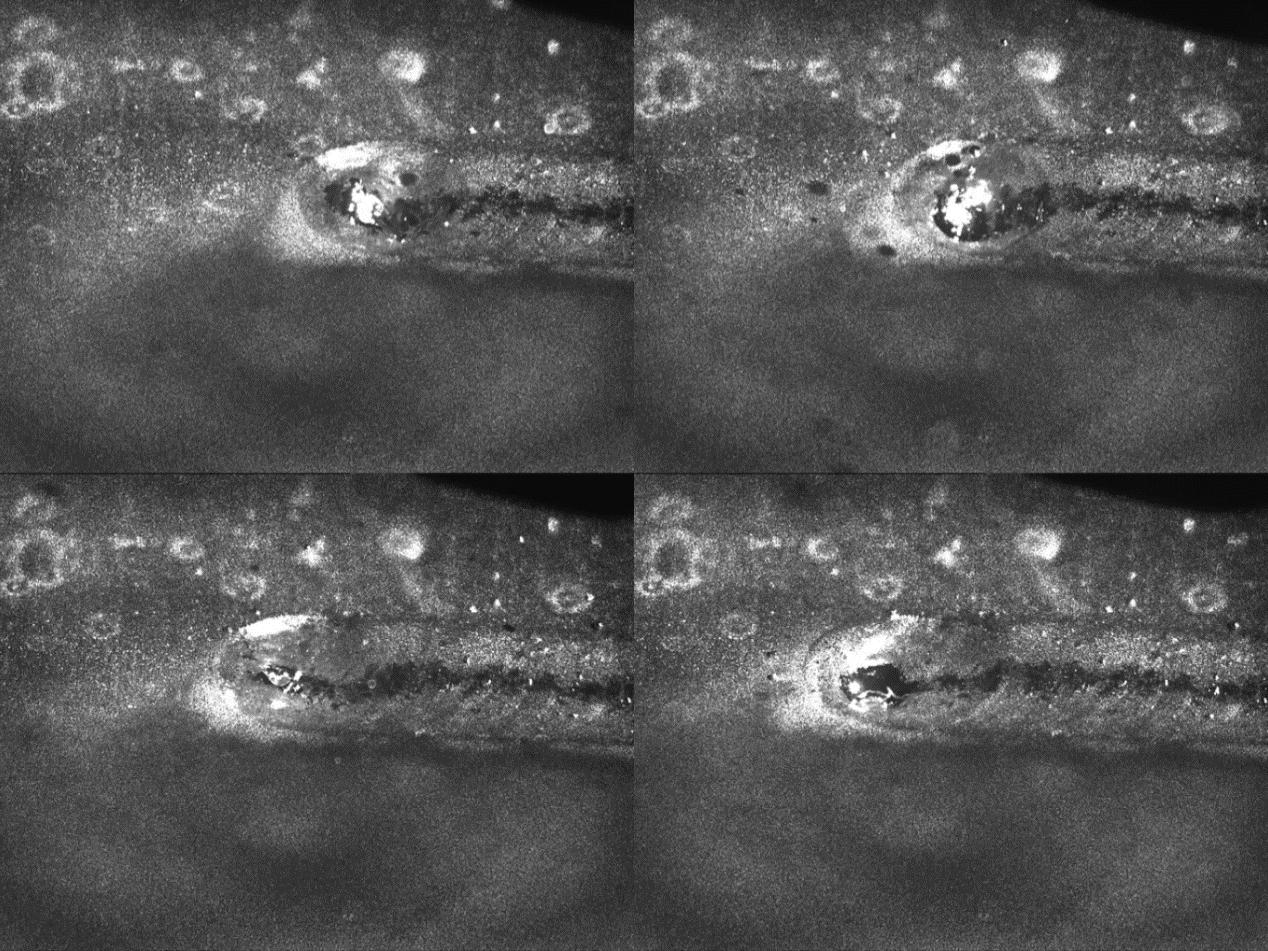
Figure 2 Molten pool evolution of aluminum alloy substrate at 0.4 ms, 100.4 ms, 200.4 ms and 300.4 ms
III. Transverse Comparison:
Due to low thermal conductivity and stable surface tension characteristics, the stainless steel molten pool tends to maintain a stable flow structure and geometric morphology.
In contrast, aluminum alloy, with high thermal diffusivity and strong evaporation effects, is more prone to flow instability and process fluctuations.
This fundamental difference determines distinct welding process optimization strategies:
For stainless steel welding, the focus is on improving welding efficiency and penetration depth.
For aluminum alloy welding, emphasis should be placed on controlling heat input, evaporation dynamics, and spatter suppression to minimize welding defects.
I.
This study systematically investigated molten pool dynamics in laser-arc hybrid welding using high-speed imaging technology.
The results demonstrate that the Revealer S1315 high-speed camera, with its high sensitivity, high temporal resolution, short exposure capability, and excellent optical compatibility, can effectively capture complex fluid flow behavior and dynamic evolution processes, making it highly suitable for welding process research and mechanism analysis.
II.
The stainless steel molten pool exhibits strong process stability, dominated by mild convective flow and minimal spatter behavior.
In contrast, the aluminum alloy molten pool shows pronounced instability, with frequent spatter events and intense fluid motion, indicating that thermophysical material properties play a dominant role in laser-arc hybrid welding performance.
III.
From a methodological perspective, this study establishes a research framework of “high-speed imaging – in-situ process observation – mechanism analysis.”
It provides direct experimental support for process parameter optimization, spatter suppression, defect mitigation, and numerical model validation, while also offering a visualization-based analytical foundation for advanced materials development and next-generation welding technologies.
PREV
 English
 Deutsch