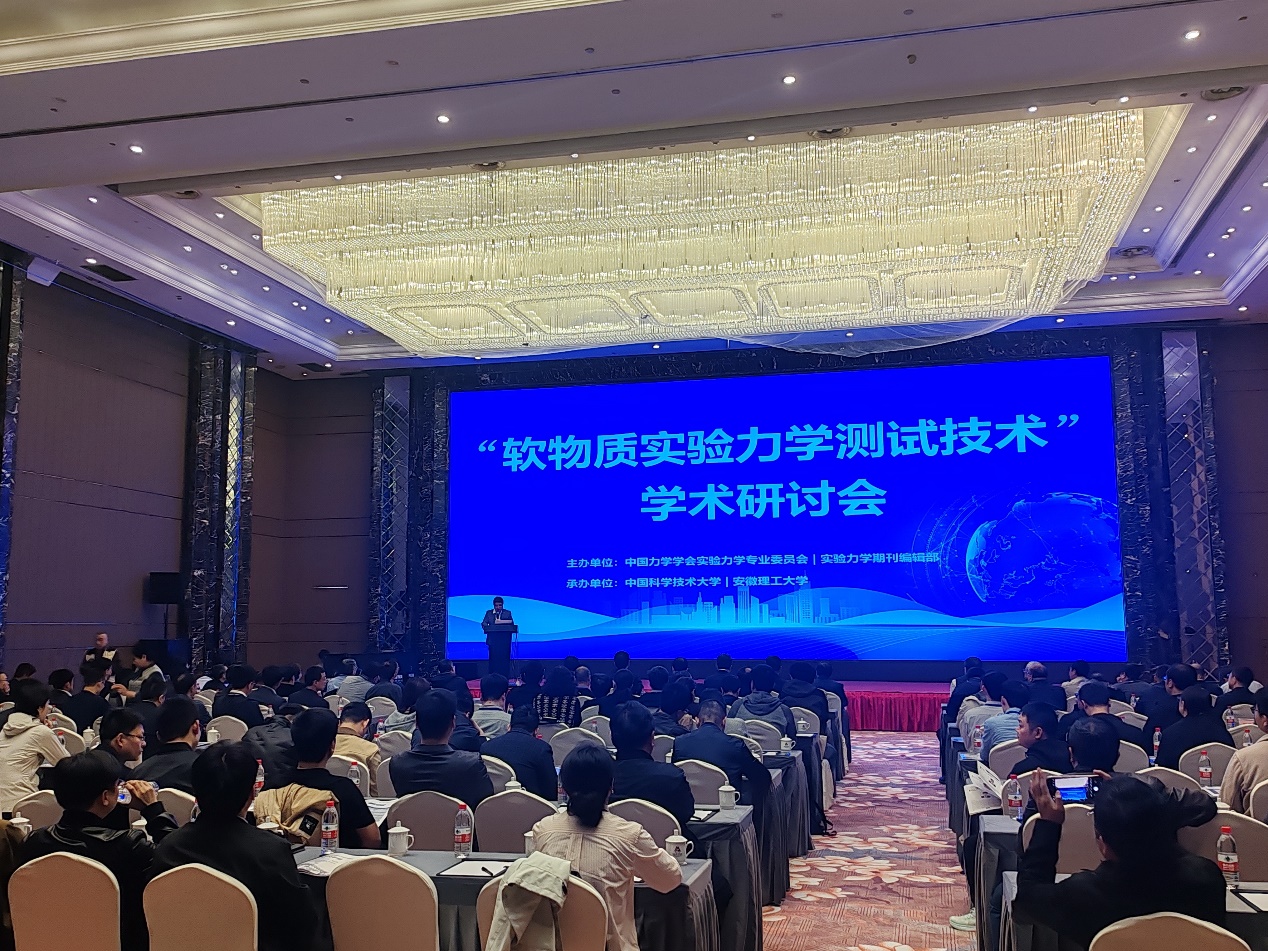
The Symposium on Experimental Mechanics Testing Techniques for Soft Matter, jointly organized by the University of Science and Technology of China and Huainan University of Technology, was recently held in Shouxian, Huainan. The symposium focused on frontier research areas including biological soft matter, intelligent soft materials, flexible electronic devices, and advanced nanostructured materials.
Across these domains, a consistent experimental requirement emerges in soft matter mechanics: not only to measure global mechanical responses, but to resolve how deformation distributes in space, evolves over time, and initiates localized instability. In this context, Digital Image Correlation (DIC) systems, combined with High-speed Camera technologies, provide essential capabilities in full-field spatial resolution, temporal resolution, and localized deformation analysis.
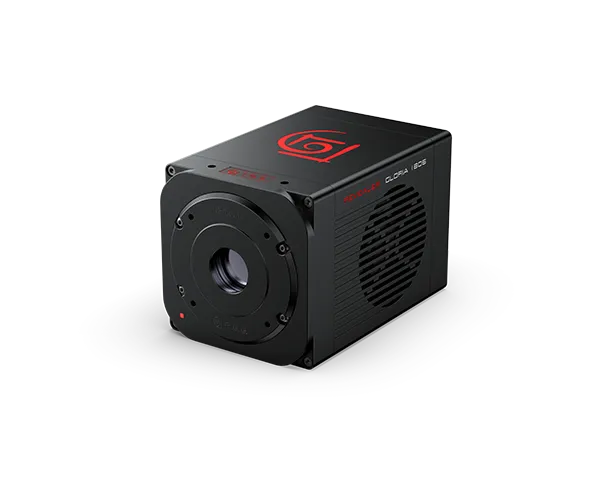
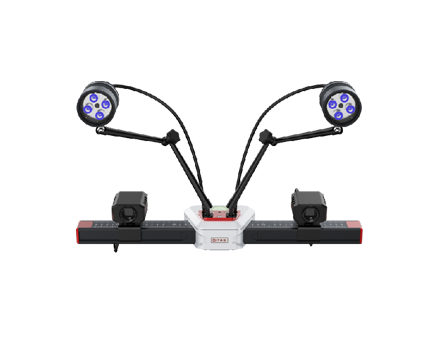
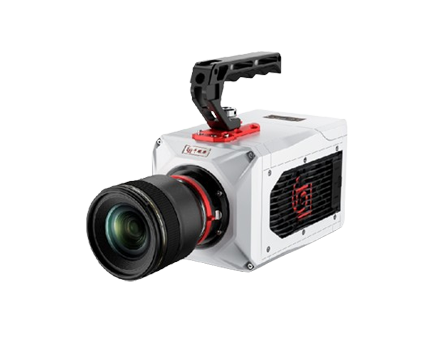
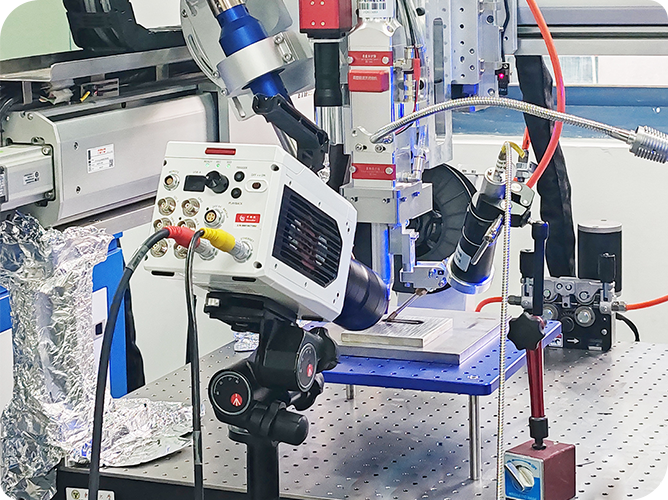
At the symposium, Agile Device presented its integrated measurement solutions, including the Revealer High-speed Camera NEO 25 and the 3D-DIC strain measurement system (RVM-STD), demonstrating representative applications in soft matter experimental mechanics .
Biological soft matter, such as skin and muscle, exhibits strong spatial heterogeneity and anisotropy. In the hand skin deformation during fist clenching, the DIC system enables full-field strain reconstruction, from which principal strain and orientation fields can be extracted to identify localized strain concentration zones under coupled bending and stretching (Fig. 1) .
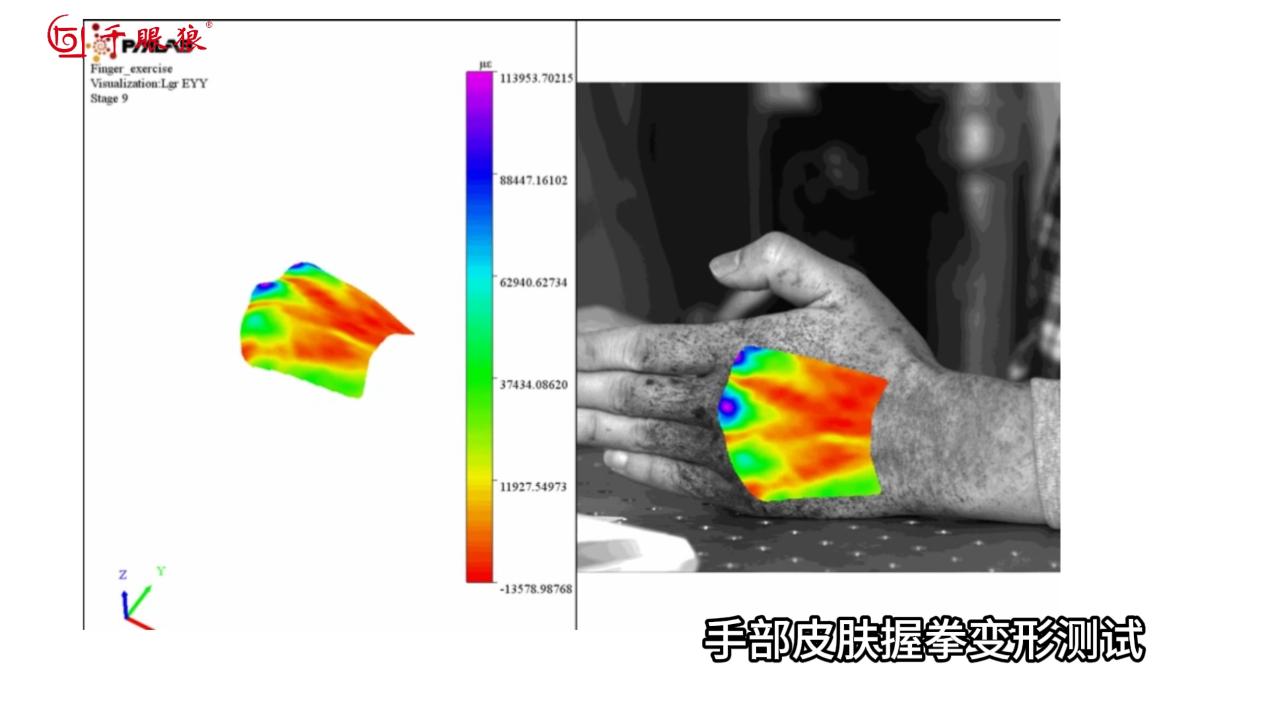
Fig.1
In human muscle biomechanics testing, time-resolved DIC analysis further allows quantification of local strain evolution rates, revealing regional differences in mechanical response (Fig. 2) .
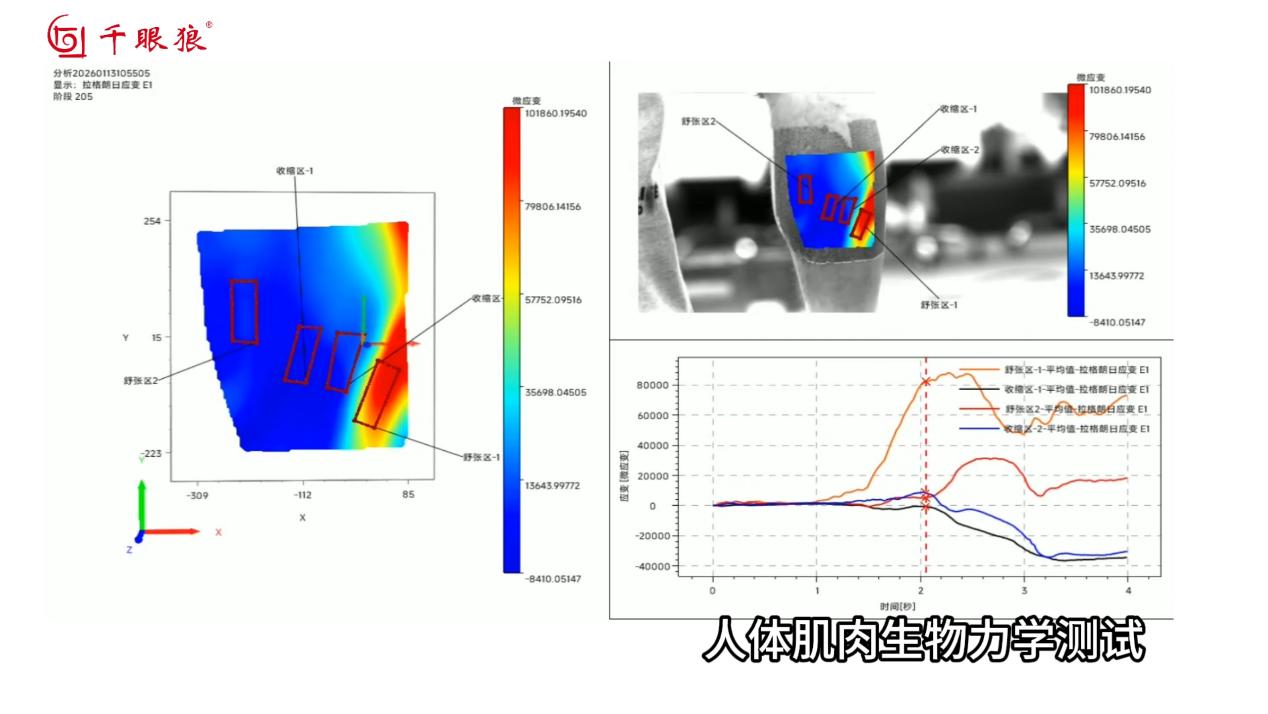
Fig.2
Measurement value: DIC transforms biological tissue mechanics from indirect global inference into directly observable spatially resolved behavior, supporting constitutive modeling and biomedical engineering applications.
For intelligent soft materials such as hydrogels, the focus lies in large deformation and functional response evolution. In hydrogel tensile testing, the DIC system captures spatial strain gradients and identifies the initiation, width, and propagation of strain localization bands (Fig. 3) .
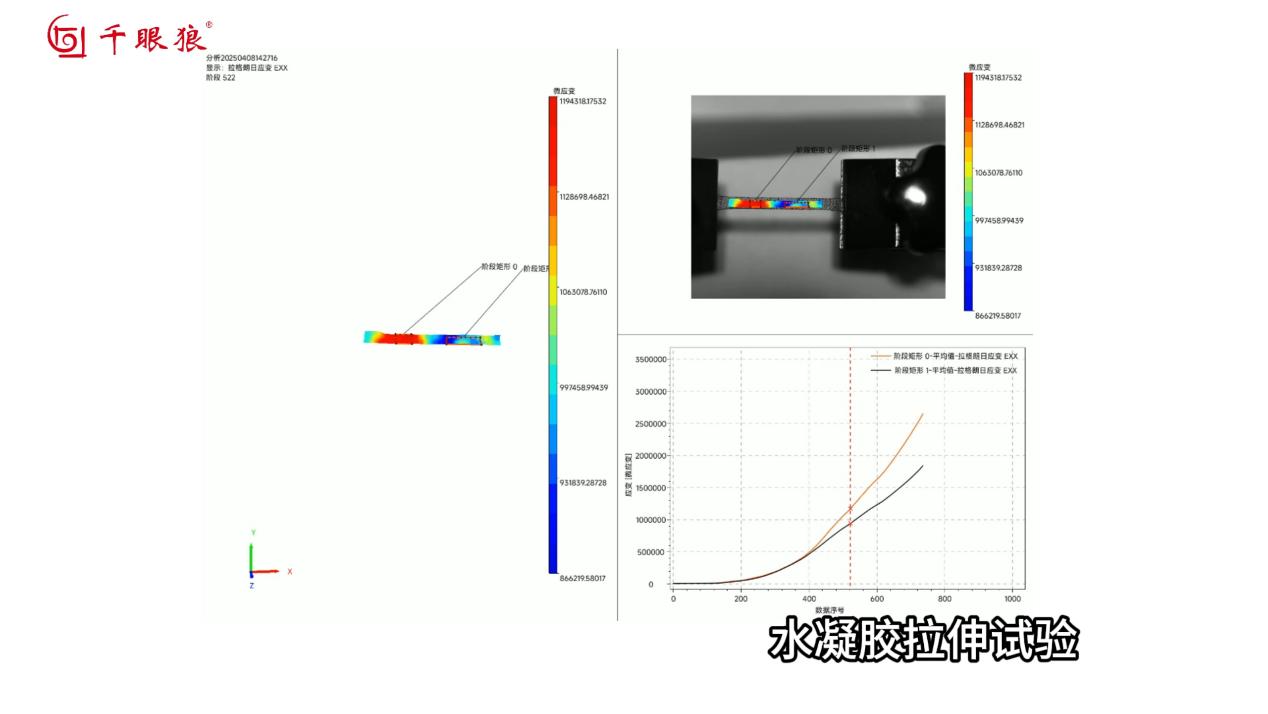
Fig.3
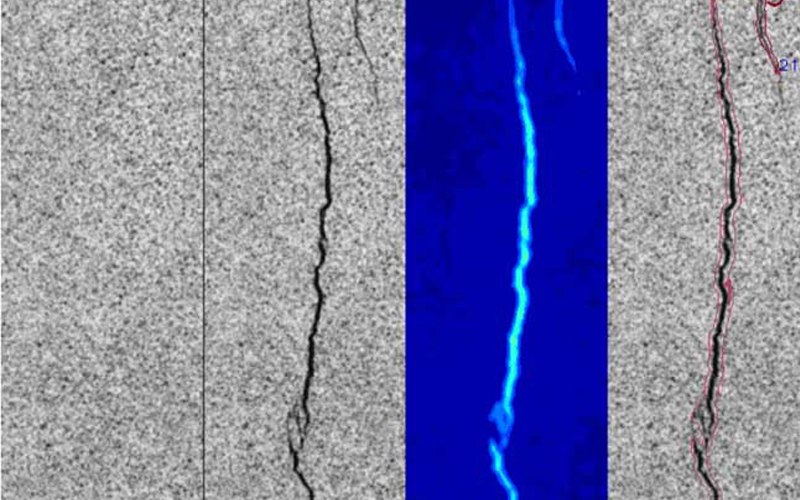
In pre-fracture analysis of biomaterials, tracking peak principal strain and its spatial gradients provides a quantitative indicator for crack initiation (Fig. 4) .
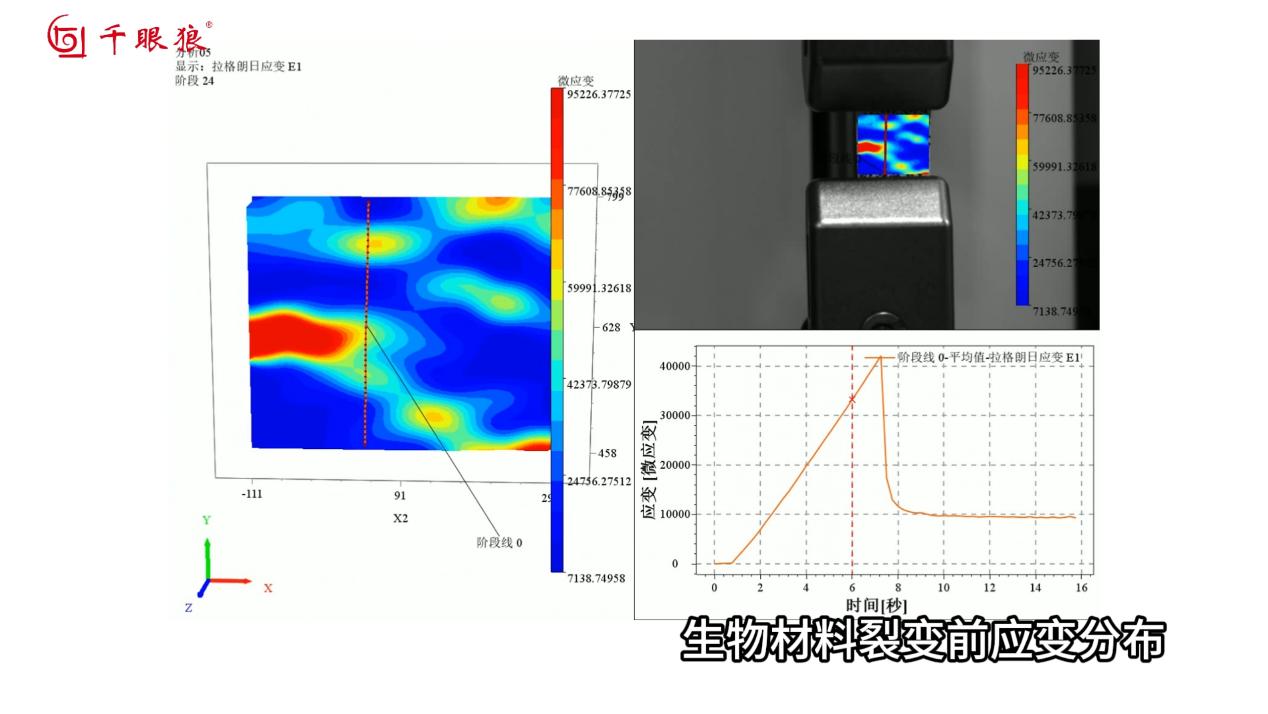
Fig.4
Measurement value: DIC converts progressive pre-failure processes into quantifiable strain field features, enabling early-stage failure diagnostics.
In flexible electronic devices, the key issue is the coupling between structural deformation and functional stability. During bending or stretching of flexible substrates, the DIC system provides full-field displacement and strain distributions, enabling evaluation of deformation compatibility across device layers (Fig. 5) .
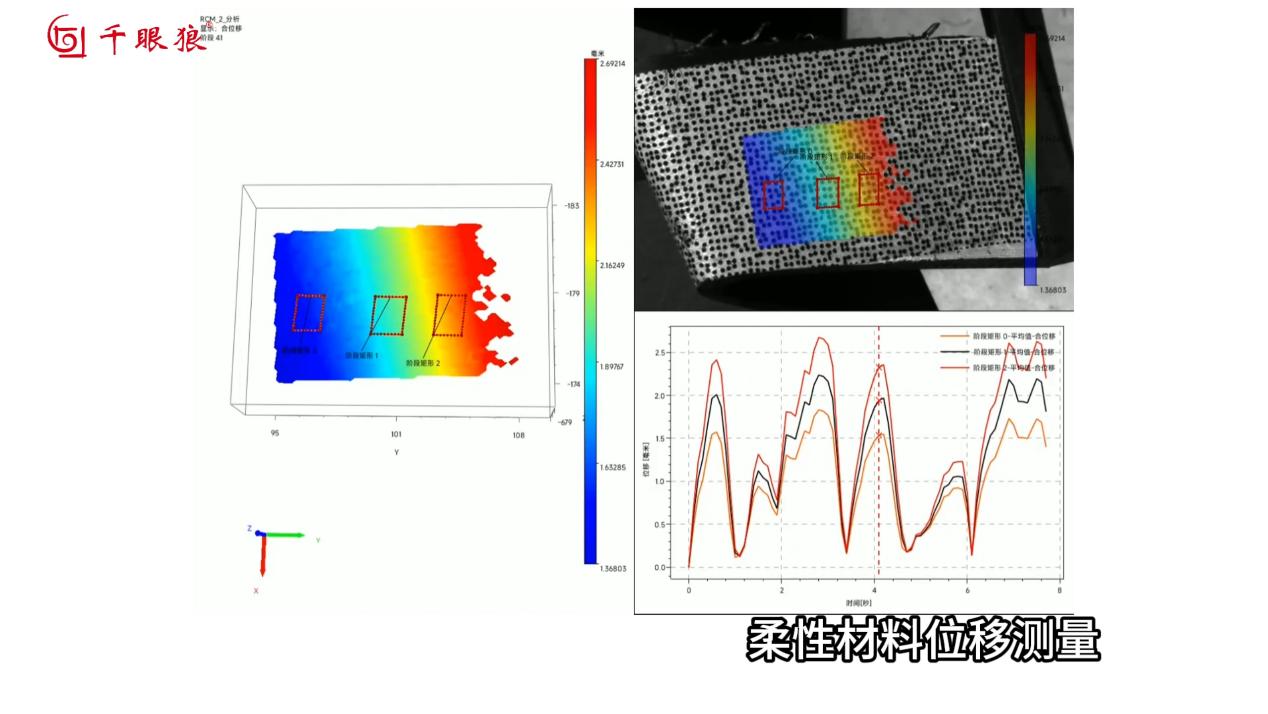
Fig.5
For thin-film vibration analysis, combining High-speed Camera imaging with DIC enables frequency-domain analysis of time-resolved displacement fields, allowing extraction of mode shapes, natural frequencies, and amplitude distributions (Fig. 6) .
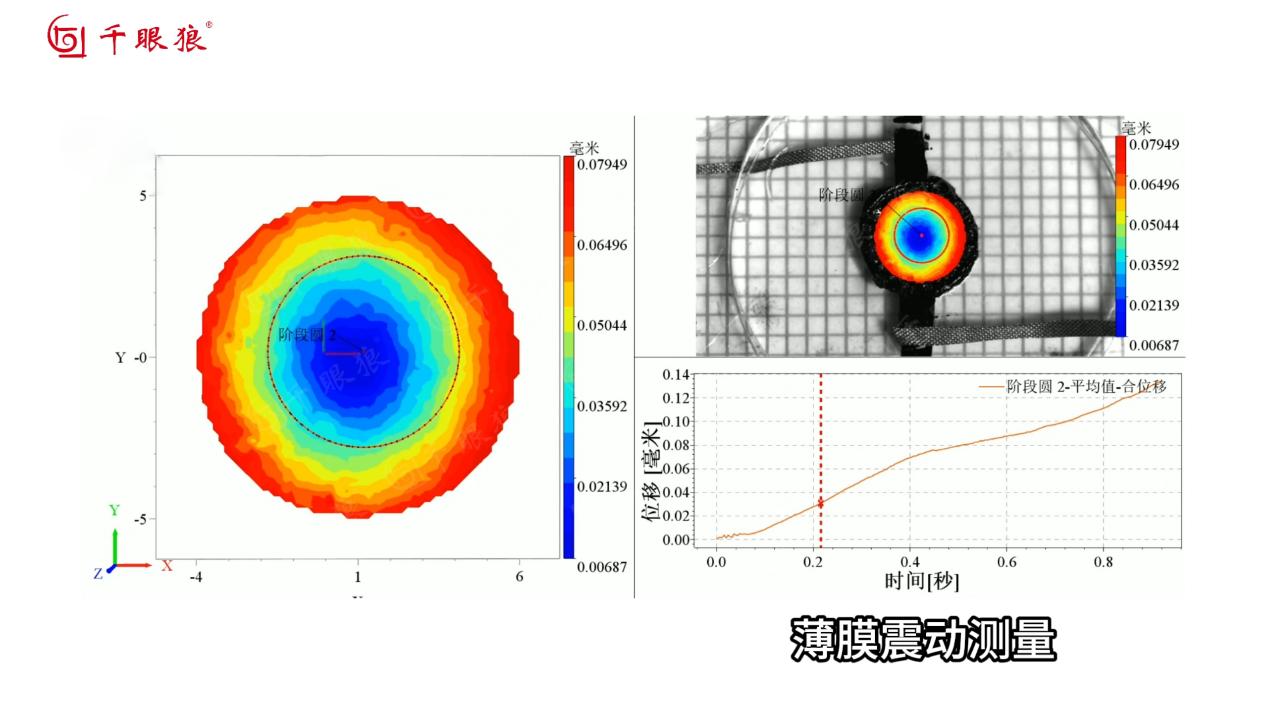
Fig.6
Measurement value: DIC supports reliability assessment of flexible devices under both static and dynamic loading conditions.
In advanced nanostructured materials, the primary concern is the relationship between geometric architecture and mechanical response. Under compression–torsion loading, porous or lattice structures exhibit spatially varying strain fields. The DIC system enables spatial statistical analysis of strain distribution, revealing directional gradients and identifying locally reinforced or weakened regions (Fig. 7) .
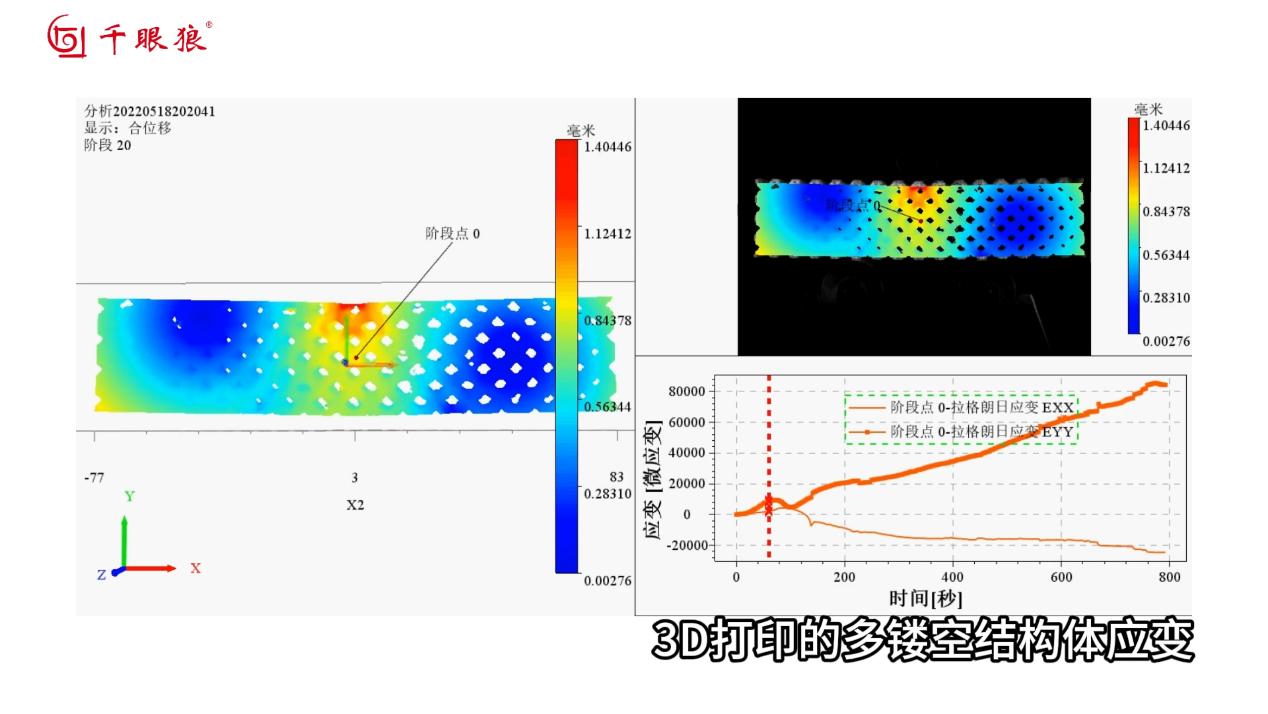
Fig.7
Measurement value: DIC establishes direct experimental links between structural topology and macroscopic mechanical performance.
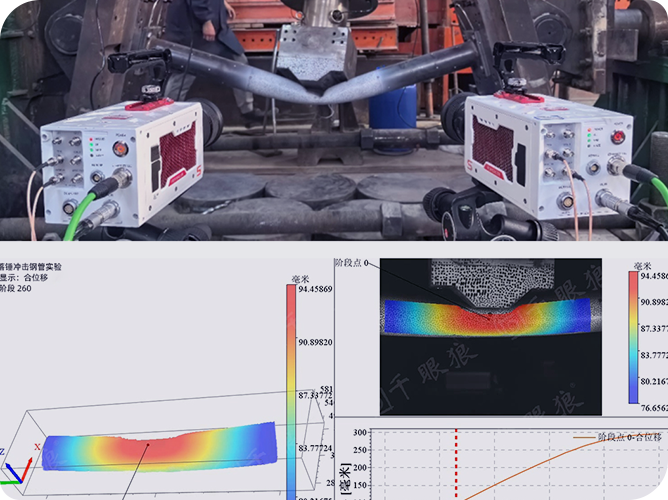
When soft matter systems are subjected to impact or high strain-rate loading, temporal resolution becomes critical. In drop-weight impact experiments, synchronized High-speed Camera imaging with DIC allows reconstruction of transient strain fields, enabling extraction of peak strain, propagation velocity, and energy dissipation pathways.
Measurement value: The temporal resolution of the DIC system, enabled by high-speed imaging, determines whether transient deformation processes can be fully captured.
Despite differences in material systems, the four research directions share a unified requirement: simultaneous acquisition of high-resolution full-field spatial data and time-resolved dynamic information. The Digital Image Correlation (DIC) system converts images into quantitative displacement and strain fields, while the High-speed Camera ensures temporal continuity.
With the continued advancement of DIC and high-speed imaging technologies, soft matter experimental mechanics is transitioning toward comprehensive spatiotemporal observation. Solutions such as the Revealer High-speed Camera and Agile Device DIC systems enable previously unobservable deformation details to become measurable, providing a direct experimental foundation for understanding complex soft material behavior.
 English
 Deutsch