Email Us
中文
Particle Image Velocimetry(PIV) Measurement System

Particle Image Velocimetry (PIV) Systems for High-Accuracy Flow Field Measurement

A PIV system (Particle Image Velocimetry measurement system) is a non-intrusive laser-based technique that provides instantaneous velocity vector fields in fluids with high spatial and temporal resolution.

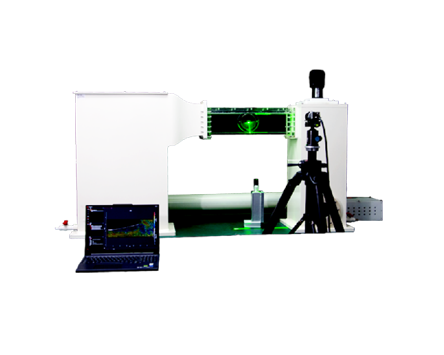
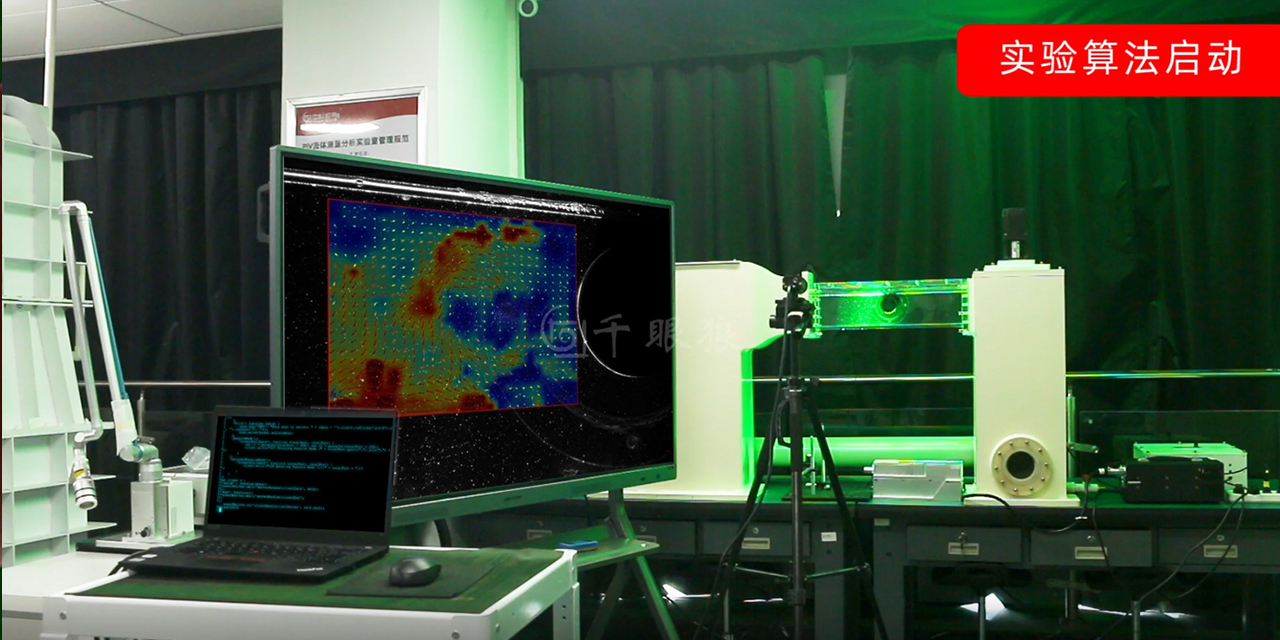
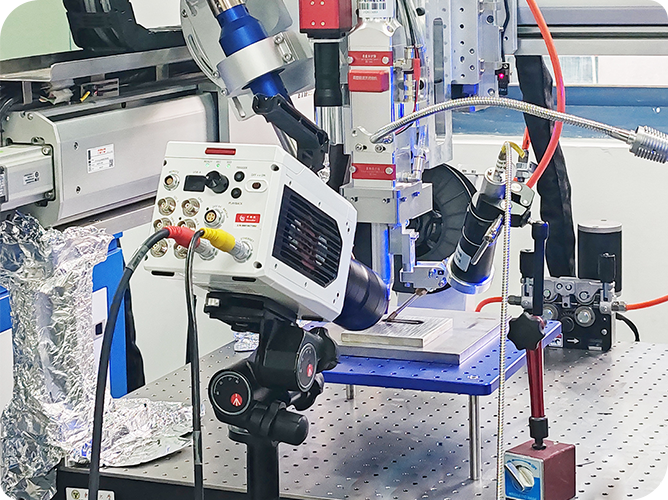
Revealer PIV measurement systems integrate high-speed cameras, lasers, synchronization controllers, and our self-developed RFlow software to deliver accurate 2D, 3D, and time-resolved flow data. Whether you need Stereo PIV for out-of-plane velocity, Tomographic PIV for volumetric measurement, or Micro PIV for microfluidic flows, our systems offer excellent synchronization, CUDA-accelerated processing, and self-calibration technology.


Volumetric velocimetry combined with laser-induced fluorescence (LIF), delivering high reconstruction accuracy—optimized for fluid mechanics, aerospace applications, automotive R&D, thermal sciences, and related fields. Revealer's PIV Systems deliver high-accuracy, non-intrusive flow field data for  PIV measurement. Our fully integrated solutions—from high-speed cameras and lasers to proprietary RFlow software—ensure seamless operation and reliable results for both fundamental research and industrial applications.


How a PIV System Works

The working principle of a PIV system is straightforward but technically sophisticated:


  • Seeding — Tiny tracer particles (usually 1–10 μm) that follow the flow faithfully are introduced into the fluid.

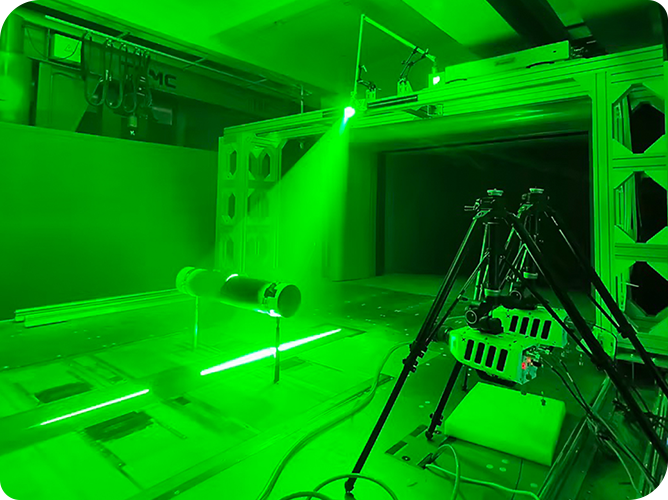
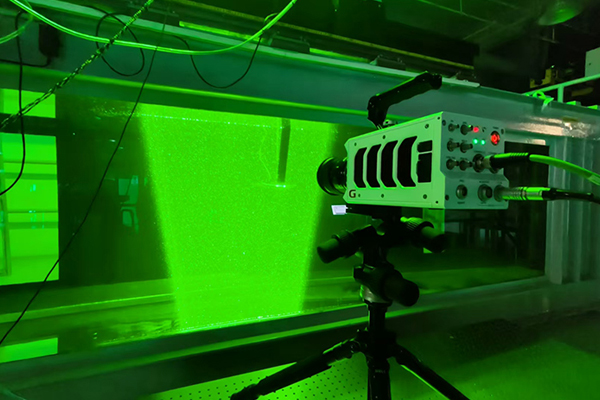
  • Illumination — A thin laser sheet (or multiple sheets for 3D) illuminates the particles in the measurement area.

  • Image Capture — High-speed cameras synchronized with the laser capture two or more images in extremely short time intervals (microseconds to milliseconds).

  • Cross-Correlation Analysis — The software divides the images into small interrogation windows and calculates the average particle displacement in each window using advanced cross-correlation algorithms.

  • Velocity Calculation — The displacement divided by the known time interval gives the velocity vector at each point, generating a detailed 2D or 3D velocity field.


Types of PIV Systems Supported by Revealer

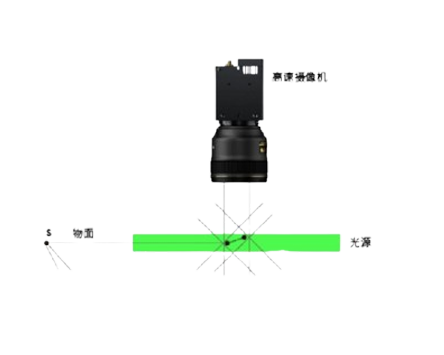
  • 2D2C PIV— Standard planar measurement (two velocity components in a plane)

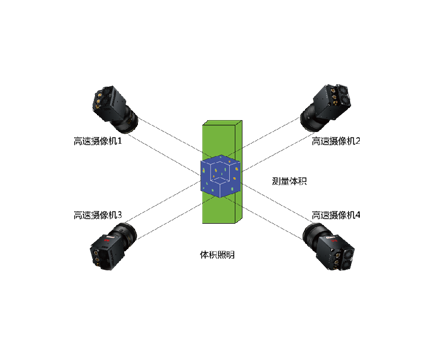
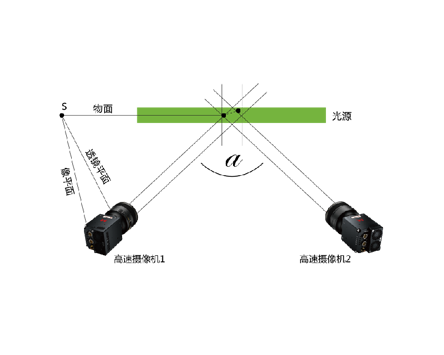
  • Stereo PIV (2D3C)— Measures three velocity components in a plane using two cameras

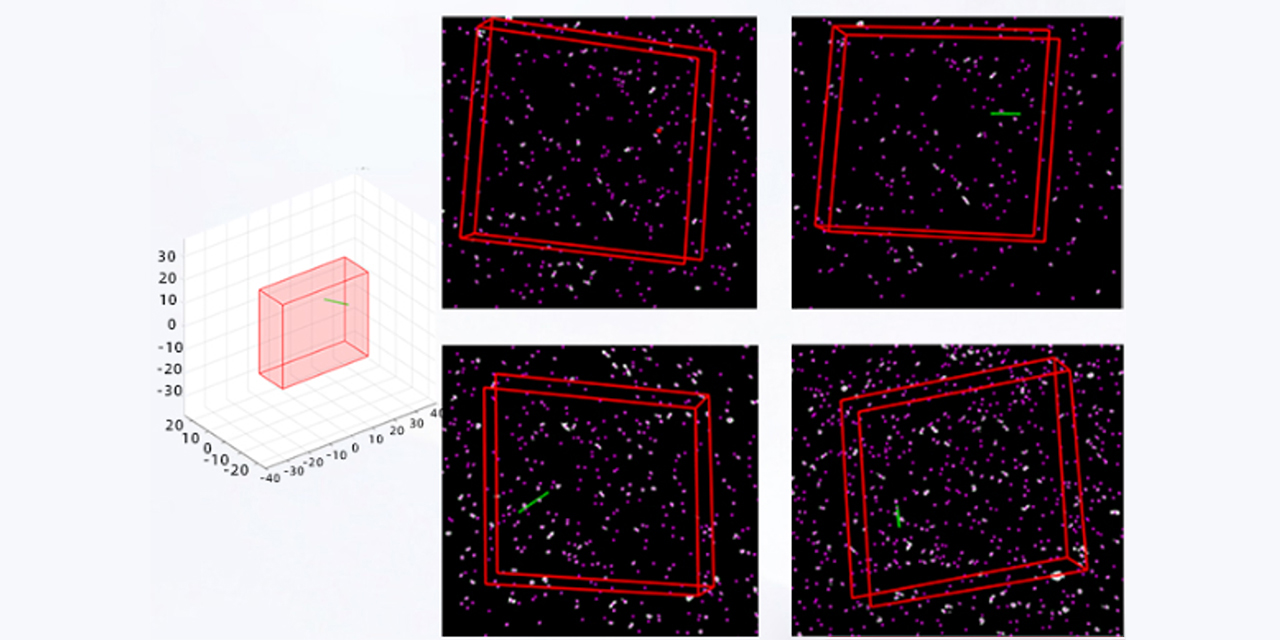
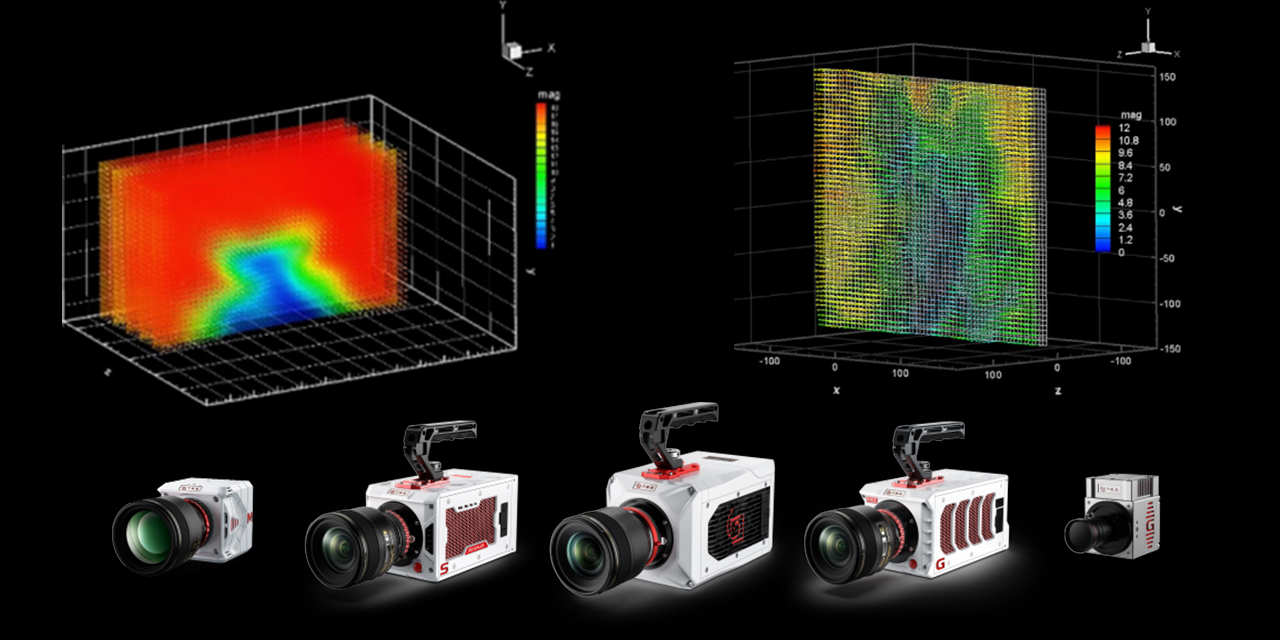
  • Tomographic PIV (Tomo-PIV / 3D3C) — True volumetric velocity measurement using multiple cameras

  • Time-Resolved PIV — High-frame-rate PIV for unsteady and turbulent flows

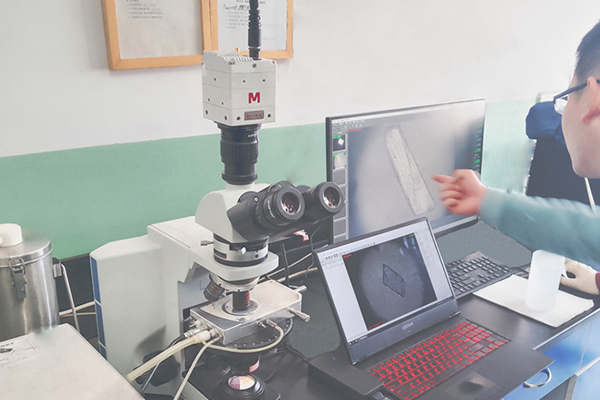
  • Micro-PIV — Microscale flow measurement in microfluidics and lab-on-chip devices

Revealer PIV systems combine our scientific high-speed cameras, high-power lasers, precise synchronization hardware, and self-developed RFlow software with CUDA acceleration to deliver fast, accurate, and easy-to-use flow field data.

This non-contact, full-field measurement capability makes the PIV system indispensable for studying complex flows in combustion, aerodynamics, microfluidics, ocean engineering, and many other fields.


Types of Particle Image Velocimetry(PIV) Measurement System

How PIV Systems Integrate with High-Speed Cameras

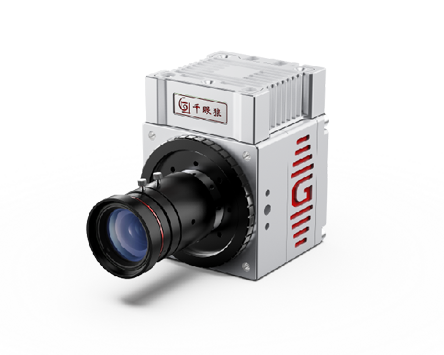
To capture fast-moving fluid dynamics with high precision, the integration of a PIV system and high-speed cameras is essential. The PIV (Particle Image Velocimetry) technique relies on the camera's ability to freeze the motion of seed particles at microsecond intervals, translating visual data into accurate velocity fields.


1. Synchronized High-Speed Acquisition

The core of a high-performance PIV system is the synchronization between the pulsed laser source and the camera sensor. Modern high-speed cameras offer the "Double-Frame" mode required for PIV, allowing the capture of two consecutive images with a minimal inter-frame time (Δt), which is critical for measuring high-velocity flows.


2. Enhanced Spatial and Temporal Resolution

Integrating a professional-grade high-speed camera ensures that the PIV system can achieve:


  • High Frame Rates: Capturing transient flow phenomena that standard sensors miss.

  • Low Noise & High Sensitivity: Vital for detecting small tracer particles in low-light laser sheet environments.

  • Large Internal Memory: Enabling long-duration recording of complex aerodynamic or hydrodynamic experiments.


3. Key Integration Parameters

For a seamless PIV workflow, the following technical synergy is required:


FeatureRequirement for PIV System Integration
Camera InterfaceGigE Vision or CoaXPress for real-time data transfer
TriggeringExternal TTL synchronization with laser pulse
Exposure TimeSub-microsecond capability to eliminate motion blur
Software CompatibilityDirect SDK integration for automated image processing

By pairing our advanced PIV system with a dedicated high-speed camera, researchers can visualize complex turbulence and laminar flows with unprecedented clarity.

FAQs of Particle Image Velocimetry(PIV) Measurement System

How is particle selection performed in PIV (Particle Image Velocimetry) flow field measurement?

For liquid flow fields: Select tracer particles with densities and particle sizes similar to the liquid, such as silicone oil or polyethylene particles.

For gas flow fields: Select tracer particles with densities and particle sizes similar to the gas, such as smoke or aerosol particles.

How is the concentration of tracer particles calculated? How can the amount of particles needed be calculated before the operation in practice?

ppp = Number of particles [particles] / Number of pixels [pixels].

It can be calculated using the particle concentration estimation tool in the software assistant toolbox.


How to choose the method for flow field calculation?

The classical cross-correlation method is the most universal. The classical multi-channel algorithm is recommended for its good generalization ability, high robustness, and high accuracy.

The multi-scale method is advantageous for its fast speed and is suitable for demonstration purposes or scenarios where quick results are needed.

The affine method is primarily effective for complex flow fields. For simple flow fields such as translational motion, its efficiency may not necessarily be better than the classical method.

How to set up the illumination for PIV flow field measurement?

Uniform Illumination: Use a diffuser plate or diffuse reflective material to ensure uniform lighting across the entire flow field area. Reflective areas can be coated with matte paint.

High-Speed Flow Fields: Employ a short-pulse laser, such as a nanosecond-pulse laser, to reduce exposure time and capture instantaneous flow field information.

How to select the calibration method for a PIV flow field measurement system?

The pinhole imaging model is an interpretable and classical method with strong universality. It also has relatively good robustness when the calibration board does not cover the entire field of view.

The polynomial model has higher accuracy than the pinhole imaging model. However, it is prone to overfitting and reduced accuracy outside the range of the calibration board.

Can your PIV system be integrated with other measurement techniques?

Absolutely. Modern fluid mechanics research often requires multi-physics diagnostics. Revealer PIV systems are designed with open architecture and flexible I/O capabilities to serve as the core of a comprehensive measurement suite.


Common successful integrations include:


Pressure & Force Measurements: Our synchronization controller can output TTL signals to trigger pressure transducers or force balances simultaneously with PIV image capture, enabling direct correlation of flow structures with aerodynamic loads.


Temperature & Scalar Imaging: Systems can be combined with Thermocouples, RTDs, or Planar Laser-Induced Fluorescence (PLIF) for simultaneous velocity and temperature/concentration field measurements. RFlow software supports time-synchronized import of external analog/digital data channels.


Acoustics: Integration with microphone arrays for aeroacoustic studies, linking flow instabilities to sound generation.


Computational Fluid Dynamics (CFD): High-fidelity PIV data from our systems is ideal for CFD validation. Data can be exported in standard formats (e.g., .csv, .vtk) for direct comparison with simulation results.


How We Facilitate Integration:


Hardware Sync: Multiple input/output ports on our controllers allow triggering of external devices or receiving sync signals from a master clock.


Software Openness: RFlow provides APIs and supports standard data protocols, allowing custom scripting or integration with third-party data acquisition platforms like LabVIEW or NI DAQ.


Engineering Support: Our application team has extensive experience in designing multi-modal experiment setups. We provide direct support to ensure seamless integration for your specific project.


What are the main sources of error in PIV, and how does Revealer mitigate them?

Understanding and minimizing error sources is critical for publishing high-quality PIV data. The primary sources of uncertainty in PIV include:


Tracer Particle Dynamics: Particles not faithfully following the flow (slip velocity, inertia, buoyancy).


Revealer’s Mitigation: We provide expert consultation on tracer particle selection and seeding density based on your fluid and flow regime, ensuring optimal traceability.


Optical Distortions & Calibration Errors: Misalignment between camera(s), lens distortions, and inaccurate mapping from image to world coordinates.


Revealer’s Mitigation: Our systems feature precision-matched optics and advanced self-calibration algorithms within RFlow software. For Stereo and Tomographic PIV, we utilize robust volume self-calibration techniques that automatically compensate for misalignments, delivering superior 3D reconstruction accuracy.


Synchronization & Timing Jitter: Imperfect synchronization between the laser pulse and camera exposure leads to blurred or biased particle images.


Revealer’s Mitigation: We employ high-precision, hardware-level synchronization controllers with sub-microsecond jitter. This ensures perfect “frame-straddling” capture of particle pairs, which is the foundation for accurate velocity calculation.


Processing Algorithm Limitations: Errors from interrogation window size, peak-locking effect, and out-of-plane motion in 2D PIV.


Revealer’s Mitigation: Our RFlow software implements state-of-the-art multi-pass grid deformation algorithms with sub-pixel interpolation. It includes tools to detect and minimize peak-locking, and provides comprehensive uncertainty quantification modules to statistically assess measurement confidence.


By addressing these errors at both the hardware design and software processing levels, Revealer PIV Systems are engineered to deliver data you can trust for critical research and development.

What support and training is included with PIV systems?

Every Revealer PIV system purchase includes:

On-site installation and calibration (typically 2-3 days)

Comprehensive training: 3-day hands-on training covering hardware, software, and best practices

First-year premium support: Unlimited email and phone support

Software updates: Free updates during warranty period

Application consulting: Assistance with experiment design and setup optimization


What are the critical components of a high-performance PIV system?

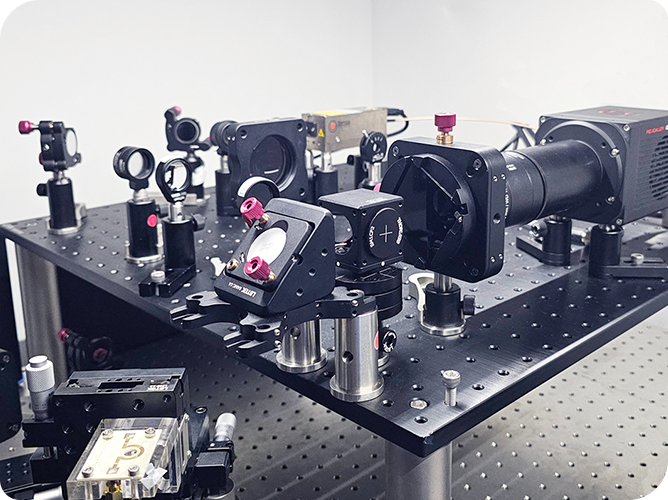
A complete PIV system typically consists of four integrated modules: a high-energy illumination source (dual-pulse laser), a specialized high-speed camera (sCMOS or CCD), a high-precision synchronizer (PTU), and advanced vector processing software. At Revealer, our systems are optimized for sub-microsecond synchronization to ensure maximum temporal resolution in turbulent flow analysis.

How does a PIV system differ from a PTV (Particle Tracking Velocimetry) system?

While both are optical flow measurement techniques, a PIV system calculates velocity vectors based on the cross-correlation of particle groups within an interrogation window. In contrast, PTV tracks individual particles. Most researchers prefer our PIV systems for high-density seed flows where collective motion data provides a more accurate representation of complex velocity fields.

How to select the right laser power for your PIV system setup?

Laser selection depends on the "Field of View" (FOV) and the flow velocity. For liquid flows with a small FOV (under 100mm), a 50mJ - 100mJ laser is usually sufficient. However, for large-scale wind tunnel experiments or high-speed gas flows, we recommend a PIV system equipped with a 200mJ+ Nd:YAG laser to ensure the tracer particles reflect enough light to be captured by the high-speed sensor.

Application of Particle Image Velocimetry(PIV) Measurement System
Contact with Us
Add:
Fuhuang Intelligent New Vision Building, Baohe District, Hefei City, China.
Seek expert advice to select the ideal optical measurement instruments for your specific needs.
Quick Links
Contact Us
Email:
sales@revealerhighspeed.com
Add:
Fuhuang Intelligent New Vision Building, Baohe District, Hefei City, China.
Quick Links
Add:
Fuhuang Intelligent New Vision Building, Baohe District, Hefei City, China.