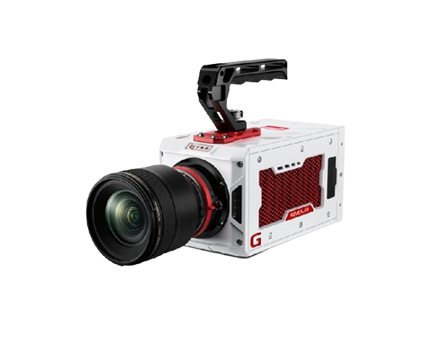
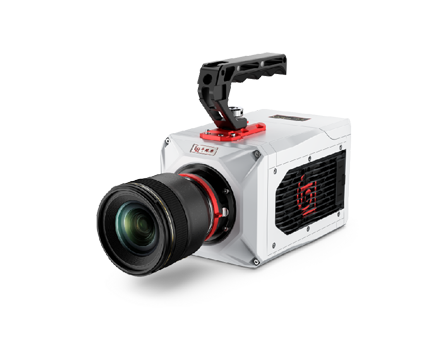
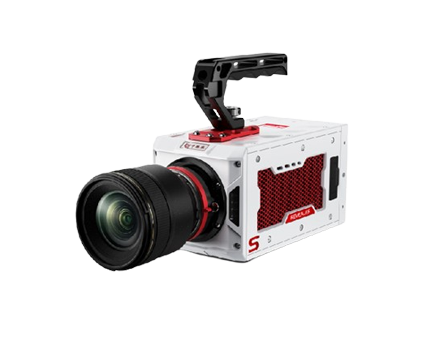
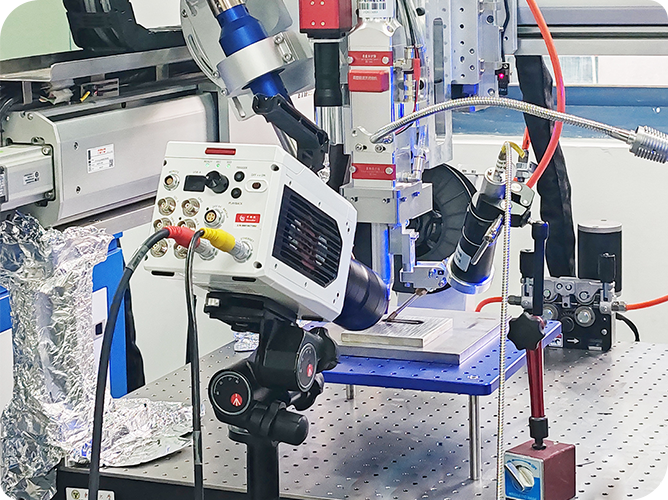
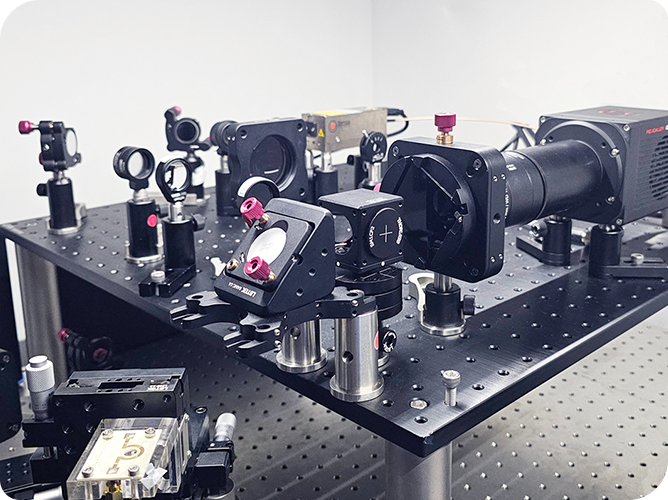
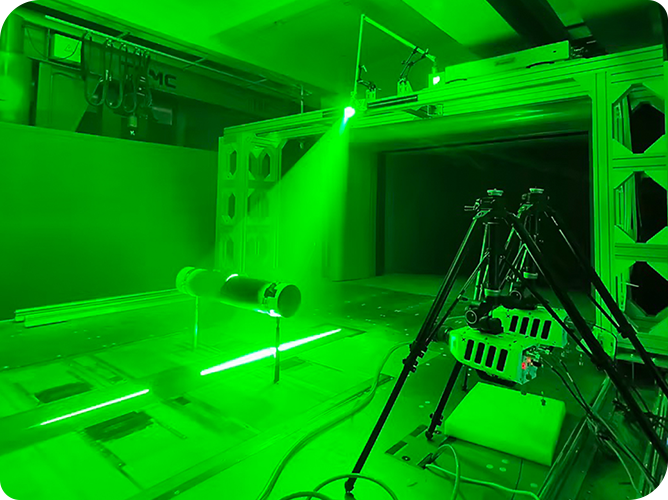
We did an experiment on flow-induced vibration (FIV) of high mass-ratio equilateral triangular prisms in a circulating water tank! We adjusted the angle of attack and reduced velocity, and used a Revealer high-speed camera + time-resolved PIV system to simultaneously measure structural vibration and wake evolution, getting super high-resolution velocity fields.
Here’s what we found: Vibration falls into 4 types — non-vibration, intermittent galloping, separated VIV & galloping, and galloping. At high mass-ratios, galloping starts at a much lower reduced velocity. We even captured intermittent galloping for the first time — random, on-and-off large-amplitude vibration! In the separated VIV & galloping area, vibration restarts are triggered by low-order harmonic synchronization.
The wake mode also changes: from symmetric double vortex shedding (small-amplitude vibration) to double vortex pair mode (large-amplitude vibration). The shear layer separation point and vortex street width change a lot as the angle of attack increases. Thanks to the Revealer high-speed camera and PIV working together, we turned fluid-structure coupling from guesswork into quantifiable observation — a game-changer for unsteady fluid mechanics experiments!


 English
 Deutsch