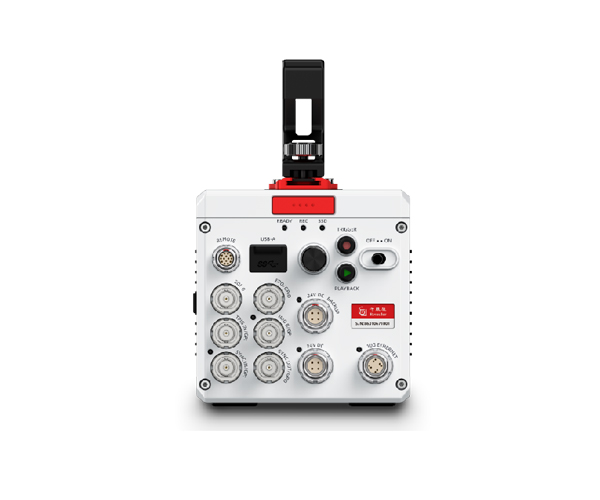
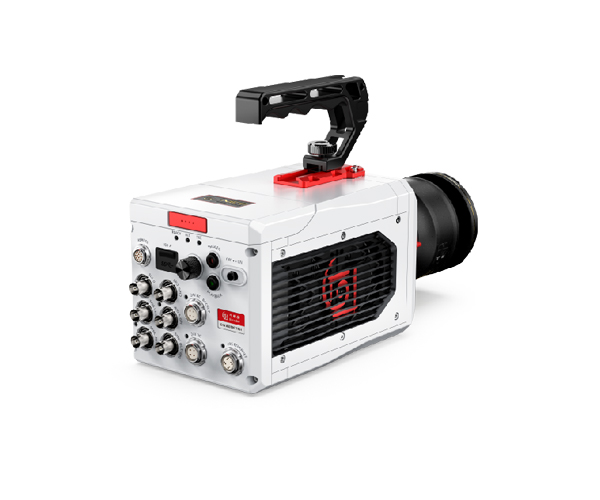
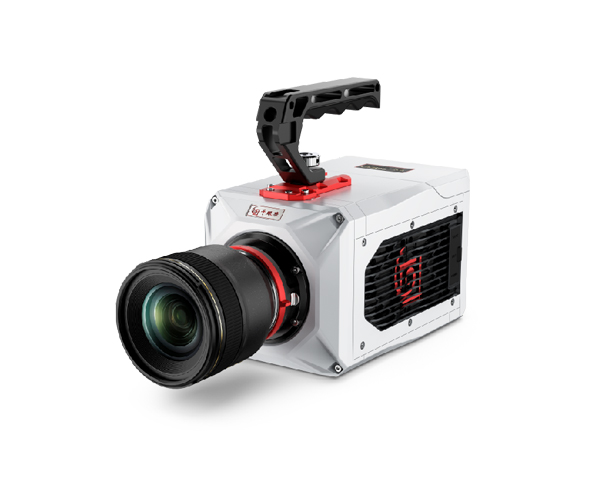
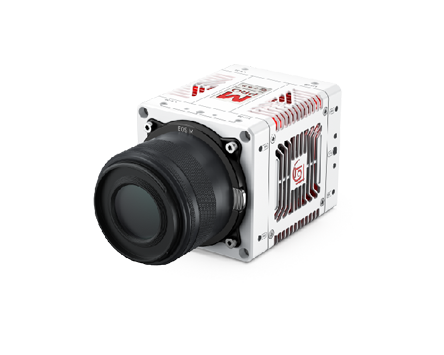
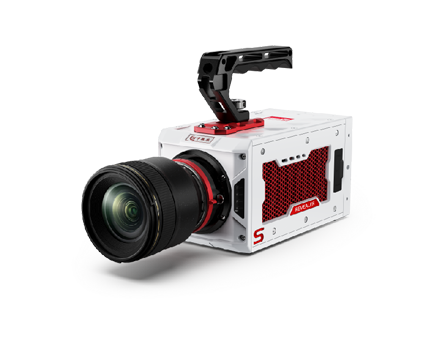
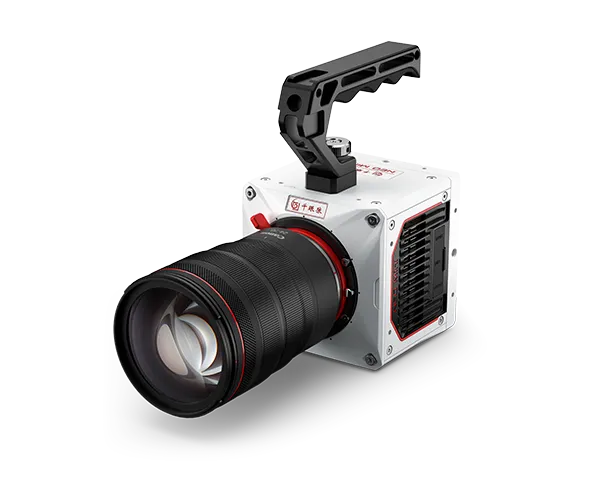
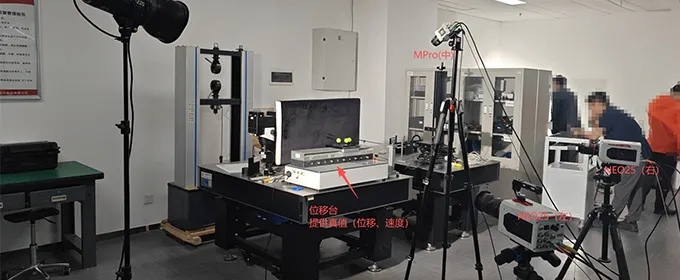
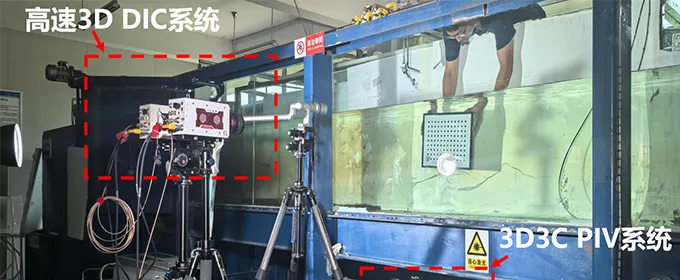
Features of 16,000fps High-Sensitivity Ultra High Speed Camera
20 μm Large Pixels & 85% QE BSI Sensor: Features a state-of-the-art backside-illuminated (BSI) sensor, enabling high-speed imaging under low-light conditions (~10 lux), without the need for complex supplemental lighting. Ideal for combustion diagnostics, bioluminescence imaging, underwater high-speed capture, and photosensitive material testing.
16,000 fps @1280×1024 Full Resolution: Up to 600,000 fps with region-of-interest (ROI) readout. Enables microsecond-level temporal resolution for studies in crack propagation, arc discharge, explosion debris tracking, and shockwave dynamics.
160 GB High-Speed RAM + 2/8/15 TB HyperStor Flash Storage: Enables concurrent recording and data offloading, allowing immediate post-experiment access without download delays. 64 isolated partitions ensure secure, segmented storage for multi-run experimental workflows.
200-1100 nm Spectral Response: Covers UV (QE ≈ 60%), visible (QE ≈ 85%), and NIR (QE ≈ 40%) regions. Suitable for OH* radical imaging, NO fluorescence, laser-induced breakdown spectroscopy (LIBS), and other UV-NIR emission studies.
BSI vs. Traditional FSI Sensors: Why Sensitivity Matters in Ultra-High-Speed Imaging
In ultra-high-speed photography, exposure times are often reduced to microseconds or even nanoseconds, making light sensitivity the most critical factor. The Revealer NEO 16M utilizes an advanced Back-Illuminated (BSI) sensor, which fundamentally changes how light is captured compared to traditional Front-Illuminated (FSI) sensors.
| Feature | BSI Sensor (Revealer NEO 16M) | Traditional FSI Sensor |
| Photon Capture (QE) | Up to 85% Quantum Efficiency. Almost all incident light reaches the photodiode. | Usually < 50%. Metal wiring layers block a significant portion of incoming light. |
| Low-Light Performance | Superior. Delivers clear images at ~10 lux without extreme external lighting. | Limited. Requires intense, high-cost supplemental lighting systems. |
| Pixel Size | 20 μm x 20 μm. Extra-large pixels provide a higher Signal-to-Noise Ratio (SNR). | Typically 10 μm or smaller, leading to more image noise in dark conditions. |
| Fill Factor | Nearly 100%. The entire pixel area is sensitive to light. | Lower. Metal circuitry on the surface reduces the effective light-gathering area. |
| Ideal Application | Combustion, Bioluminescence, PIV, and hypersonic flows where light is scarce. | Standard industrial testing or bright daylight environments. |
The BSI Advantage for Researchers
By flipping the sensor structure to place the light-sensitive layer closer to the light source, the NEO 16M maximizes photon collection. This means you can achieve shorter exposure times (down to 150 ns) without sacrificing image quality, allowing for the capture of faint phenomena like OH radicals in combustion* or micro-particles in PIV that traditional FSI cameras would simply miss.
Typical Applications for NEO 16M/C
The NEO 16M/C series is specifically designed to meet the rigorous demands of advanced scientific research and industrial testing. Its unique combination of speed and light-gathering power makes it a versatile tool across multiple high-stakes disciplines:
1. Hypersonic Aerodynamics & Shockwave Analysis
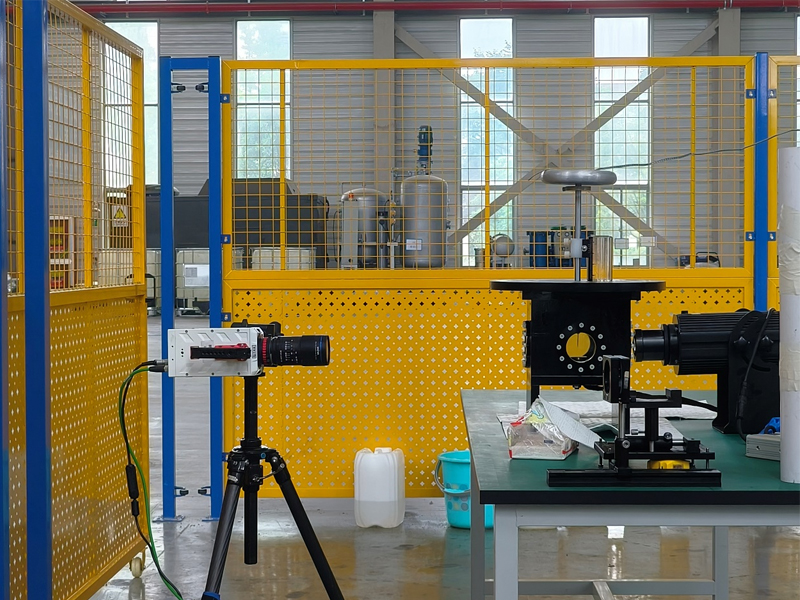
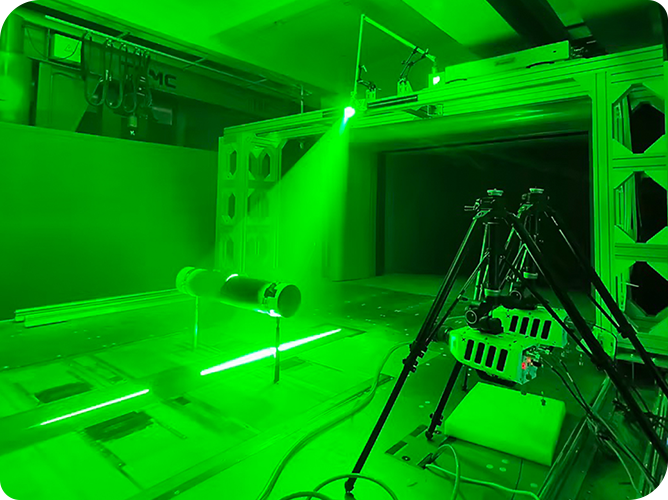
In wind tunnel testing and aerospace engineering, capturing the precise evolution of shockwaves at Mach speeds requires extreme temporal resolution. The ultra high fps camera capability of the NEO 16M/C (up to 600,000 fps at ROI) allows researchers to visualize fluid dynamic variations and boundary layer transitions with microsecond precision, ensuring no critical data point is missed during transient events.
2. Combustion Diagnostics & Flame Research
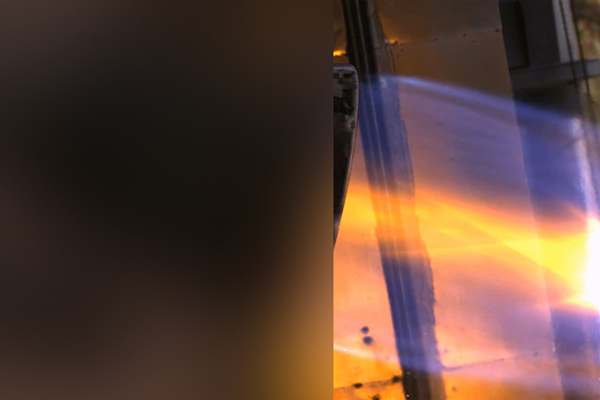
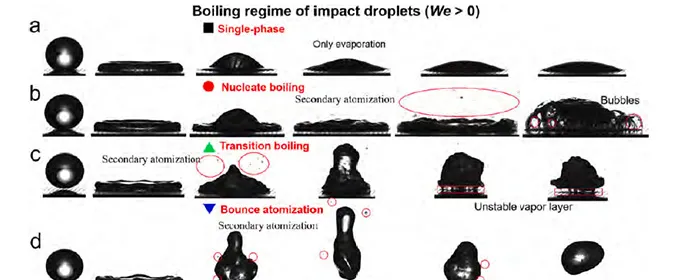
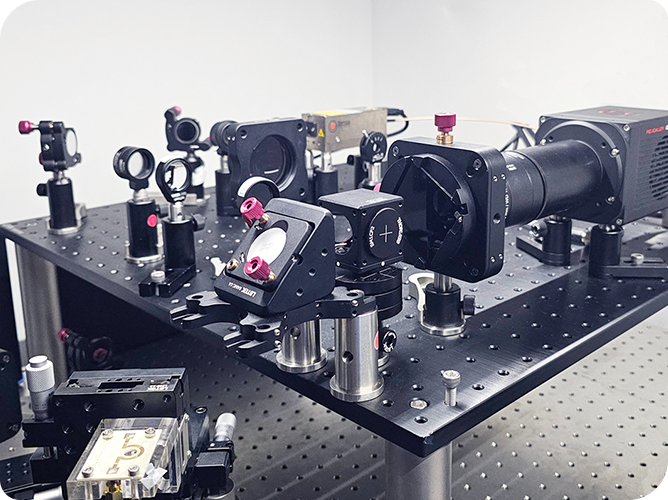
Combustion events often occur in low-light environments with rapid chemical reactions. As one of the most high sensitivity cameras on the market today, the NEO 16M/C utilizes its BSI sensor technology to capture weak flame emissions and OH* radicals in the UV-to-visible spectrums. This is essential for studying engine efficiency, fuel spray atomization, and soot formation without the need for intrusive supplemental lighting.
3. Extreme Mechanics & Material Failure
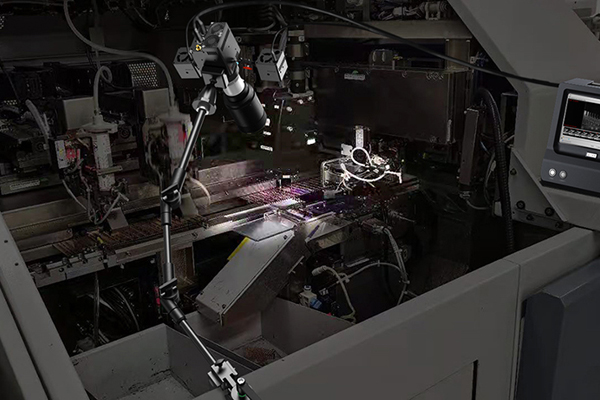
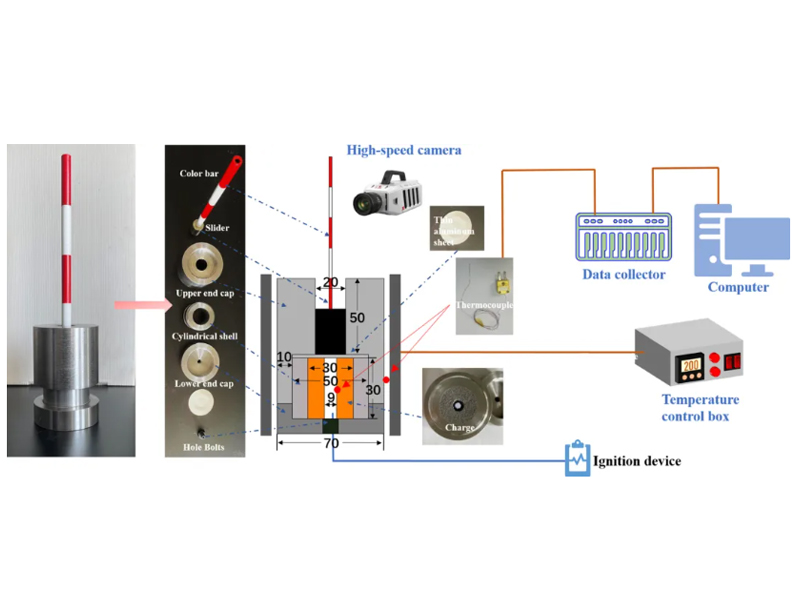
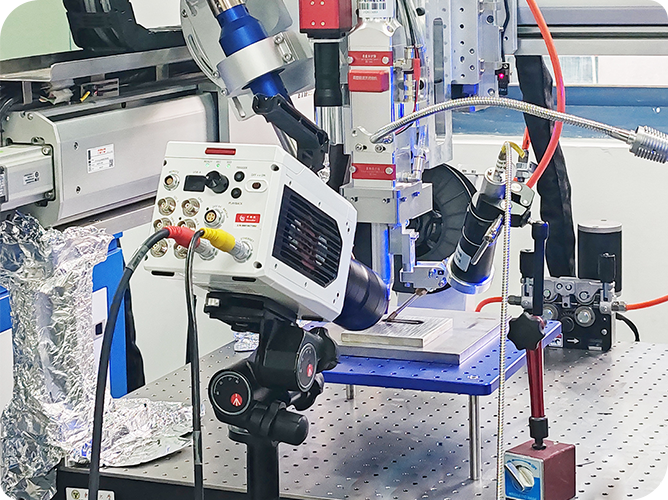
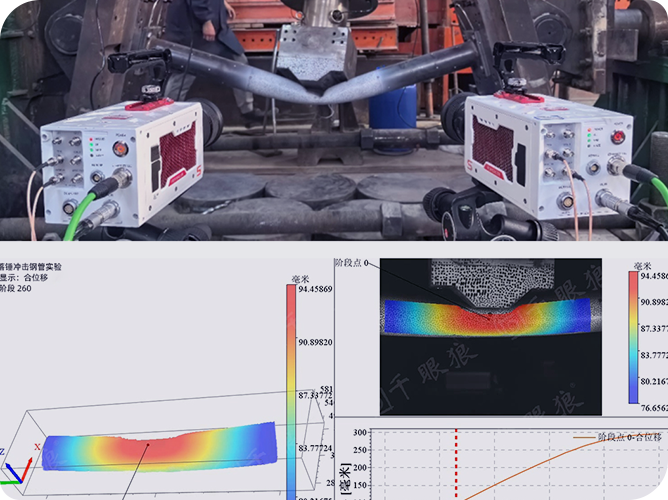
Tracking the initiation and propagation of cracks in brittle materials or during high-velocity impacts requires both high speed and high contrast. The NEO 16M/C serves as a powerful ultra high fps camera for fracture mechanics, enabling engineers to observe deformation behaviors and debris patterns during explosion testing or ballistic impact analysis at full megapixel resolution.
4. Biomedical & Microfluidic Imaging
Fluorescence imaging and bioluminescence studies often involve light-sensitive samples that can be damaged by intense illumination. The high Quantum Efficiency (85% QE) of our high sensitivity cameras enables clear, high-speed imaging of microfluidic flows and cell dynamics using minimal light, preserving sample integrity while capturing rapid biological phenomena at thousands of frames per second.
Specifications of 16,000fps High-Sensitivity Ultra High Speed Camera
| SKU | NEO 25M/C | NEO 20M/C | NEO 16M/C |
| Sensor | BSI CMOS | BSI CMOS | BSI CMOS |
| Resolution | 1280 × 1024 | 1280 × 1024 | 1280 × 1024 |
| Frame | 25 000 fps | 20 000 fps | 16 000 fps |
| Shutter | Global shutter | Global shutter | Global shutter |
| Min. exposure time | 150 ns | 150 ns | 150 ns |
| Pixel Size | 20 μm x 20 μm | 20 μm x 20 μm | 20 μm x 20 μm |
| PIV | 250 ns | 250 ns | 250 ns |
ADC
| 10 bit | 10 bit | 10 bit |
| AE | Available | Available | Available |
| EDR | Available | Available | Available |
| Data interface | 10 Gb / Gb Ethernet | 10 Gb / Gb Ethernet | 10 Gb / Gb Ethernet |
| Video interface | SDI / HDMI | SDI / HDMI | SDI / HDMI |
| Sync input interface | 3.3 / 5V TTL | 3.3 / 5V TTL | 3.3 / 5V TTL |
| Sync output interface | 5V TTL | 5V TTL | 5V TTL |
| Timing | DC IRIG_B in | DC IRIG_B in | DC IRIG_B in |
| Control interface | Reserved RS422 | Reserved RS422 | Reserved RS422 |
| Trigger input | Pulse trigger signal | Pulse trigger signal | Pulse trigger signal |
| Lens mount | EF, F, C | EF, F, C | EF, F, C |
| Internal RAM | 160 / 320GB | 160 / 320GB | 160 / 320GB |
| Size W×H×D | 125 × 125 × 210 mm | 125×125×210 mm | 125×125×210 mm |
| Weight | 4500 g | 4500 g | 4500 g |
| Operating temperature | -10 ~ 50 °C | -10 ~ 50 °C | -10 ~ 50 °C |
| Power Consumption | 200 W | 200 W | 200 W |
| Operating temperature optional | Available | Available | Available |
| Operating humidity | 0 ~ 95% | 0 ~ 95% | 0 ~ 95% |
| Protection level | IP64 | IP64 | IP64 |
| Shock | 30Grms @ 11mSec 3 axes 6way 60 pulses | 30Grms @ 11mSec 3 axes 6way 60 pulses | 30Grms @ 11mSec 3 axes 6way 60 pulses |
| Vibration | Resistant to transportation vibration | Resistant to transportation vibration | Resistant to transportation vibration |
| EMC | Available | Available | Available |
Specifications will be updated. For details, please contact with us.

 English
 Deutsch