Have you ever seen a "floating" ball? It's not magic — it's Bernoulli's principle doing the pushing.
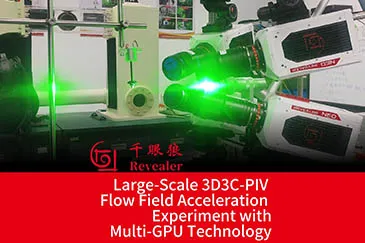
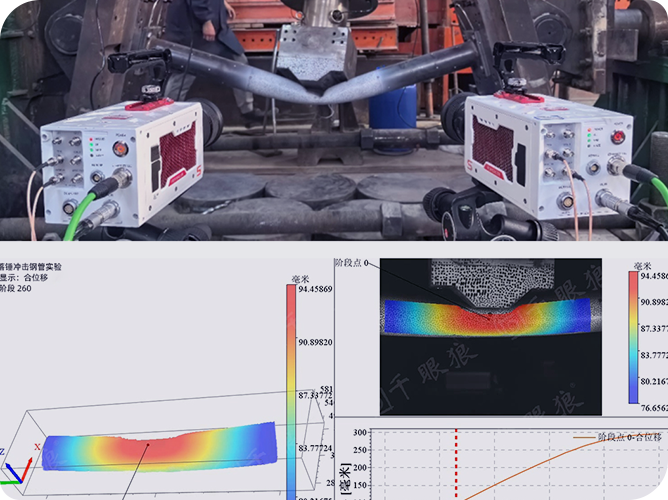
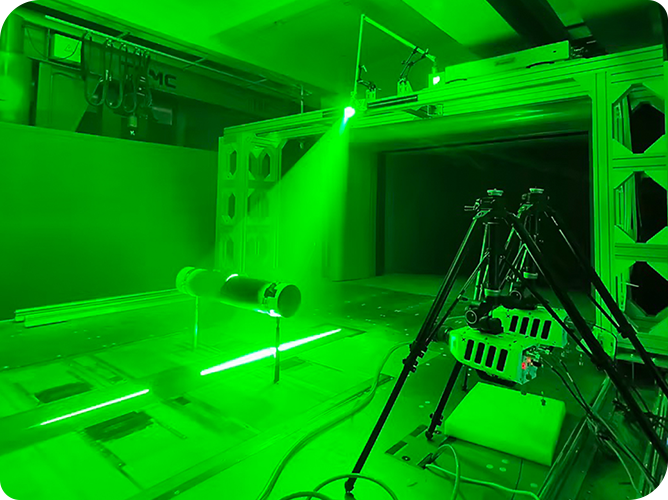
Using a 2000 FPS camera combined with PIV (Particle Image Velocimetry), we captured the real flow field behind the yellow safety line at train stations.
Key Findings
The ball is NOT "sucked" upward. It is **pushed up** by the high-pressure zone at the wide opening of the funnel.
- Funnel neck: high air velocity (~1.4115 m/s) → low pressure
- Below the funnel: low air velocity (~0.0007 m/s) → high pressure
- Pressure difference: ~1 kPa (≈10 cm water column) — enough to levitate the ball
Experimental Setup
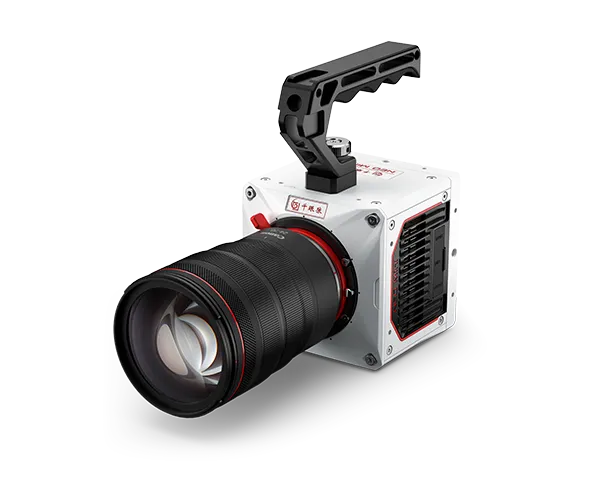
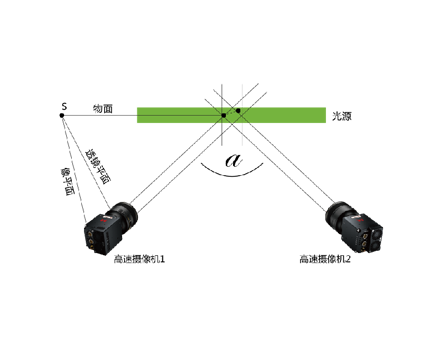
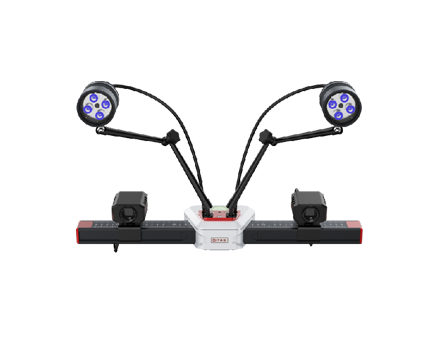
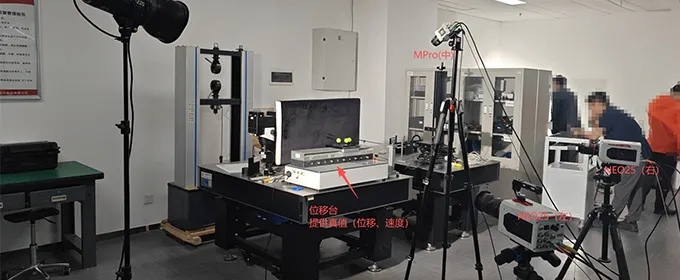
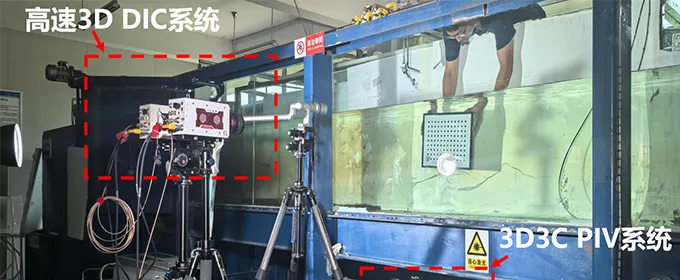
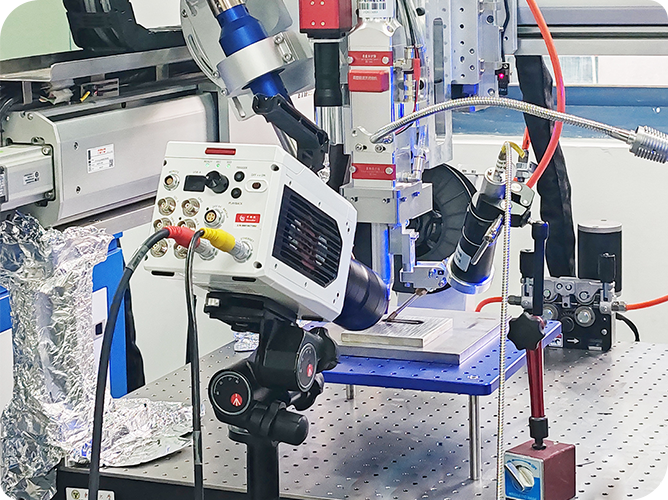
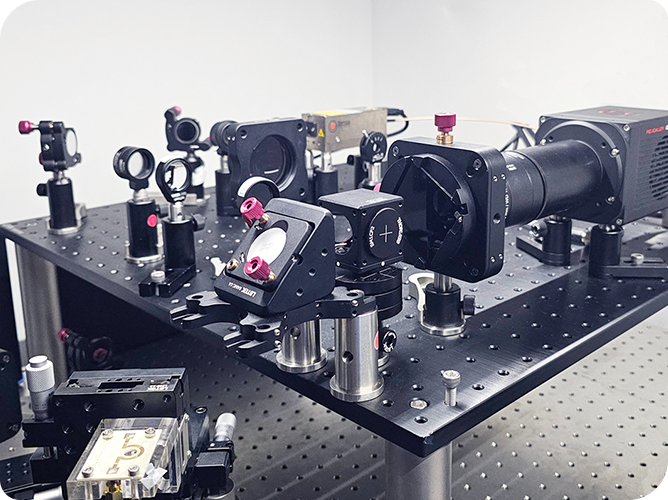
Air compressor + conical funnel + POM tracer particles + laser + high-speed camera
Visualization
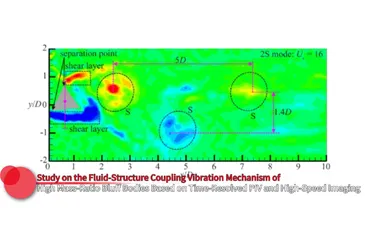
Velocity contour maps (purple-red → fast, blue → slow) clearly reveal the velocity distribution.
Real-World Connection
When a high-speed train passes through a station, the air near the train moves fast (low pressure), while the air on the other side of your body moves slowly (high pressure). This creates a thrust toward the train.
The rear of the train is the most dangerous zone, with stronger flow disturbances.
Safety reminder: Always stand behind the yellow line when waiting for a train. Safety first.
Ideal for viewers interested in fluid dynamics, physics experiments, high-speed photography, and PIV technology.
Like, save, and share if you learned something new!
Comment below: Where else have you noticed Bernoulli's principle in daily life?


 English
 Deutsch