When researching a high-speed imaging system, one of the most common questions is simple: how much does a 10,000 FPS camera cost?
The answer depends on far more than frame rate alone. Cameras that appear similar on paper can vary significantly in price because of differences in sensor technology, onboard memory, image quality, software capabilities, and long-term support.
A 10,000 FPS camera is an ultra-high-speed imaging system capable of recording 10,000 individual frames per second, allowing engineers and researchers to analyze events that occur within microseconds.
For laboratories, manufacturers, universities, and testing facilities, understanding what drives camera pricing is essential for making an informed investment. This guide explains the major factors that influence cost and how buyers can evaluate overall value rather than focusing solely on the purchase price.
Most consumer cameras are designed for photography and video recording, while high-speed cameras are precision measurement tools. A smartphone typically records video at 30 to 60 FPS. Even professional video systems often operate below 240 FPS. By comparison, a 10,000 FPS camera captures one image every 100 microseconds, generating massive amounts of data in an extremely short period.
| Camera Type | Typical Frame Rate |
|---|---|
| Smartphone Camera | 30–60 FPS |
| Action Camera | 60–240 FPS |
| Professional Video Camera | 24–120 FPS |
| Industrial Imaging Camera | 1,000–5,000 FPS |
| Ultra-High-Speed Camera | 10,000 FPS and Above |
According to the National Institute of Standards and Technology (NIST), high-speed imaging plays an important role in scientific measurement, industrial diagnostics, and engineering research where conventional video systems cannot provide sufficient temporal resolution.
To achieve these performance levels, manufacturers must integrate specialized sensors, high-bandwidth electronics, precision timing systems, and advanced memory architectures, all of which contribute to overall system cost.
Not all 10,000 FPS cameras are priced equally. Several technical factors directly influence overall cost and performance.
| Cost Factor | Impact on Price | Why It Matters |
|---|---|---|
| Sensor Technology | High | Determines image quality and sensitivity |
| Onboard Memory | High | Affects recording duration |
| Resolution Capability | High | Influences measurement accuracy |
| Data Transfer Speed | Medium | Improves workflow efficiency |
| Triggering Functions | Medium | Essential for advanced testing |
| Analysis Software | Medium | Supports data interpretation |
| Technical Support | Medium | Reduces operational downtime |
When comparing systems, understanding these specifications is often more important than comparing frame rate alone.
The image sensor is typically one of the most expensive components in a high-speed camera.
Advanced sensors offer advantages such as:
Higher light sensitivity
Lower image noise
Faster readout speeds
Improved dynamic range
These capabilities become especially important when recording fast-moving events where exposure times may be measured in microseconds. For example, applications involving combustion analysis, fluid dynamics, or material testing often require high sensitivity to maintain image quality under limited lighting conditions. As sensor performance improves, production costs generally increase as well.
Recording at 10,000 FPS creates an enormous data stream. Every frame must be temporarily stored before being transferred to a workstation for analysis. As a result, onboard memory is a critical component of any high-speed imaging system.
A larger memory buffer provides several advantages:
Longer recording durations
Greater flexibility during testing
Reduced risk of missing critical events
Organizations conducting repeated experiments or long-duration tests often prioritize memory capacity because it directly impacts productivity. This is one reason why two cameras with identical frame-rate specifications may have very different prices.
Many buyers focus exclusively on frame rate, but image resolution often has a greater impact on the usefulness of recorded data.
In engineering applications, image detail can be critical for:
Failure analysis
Motion tracking
Digital Image Correlation (DIC)
Particle Image Velocimetry (PIV)
A camera that maintains high resolution while recording at 10,000 FPS typically requires more advanced hardware and processing capabilities.
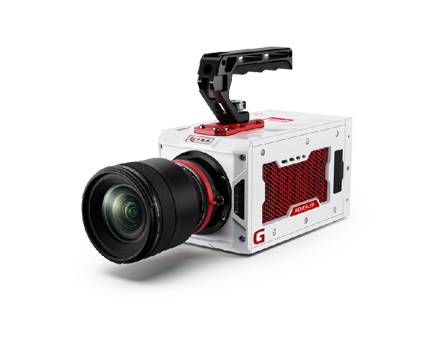
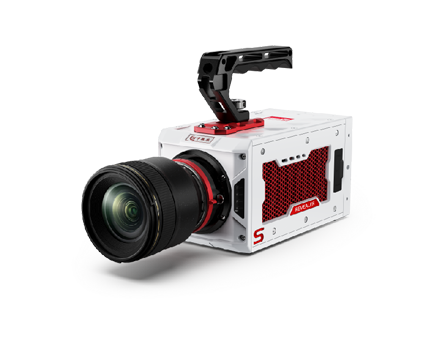
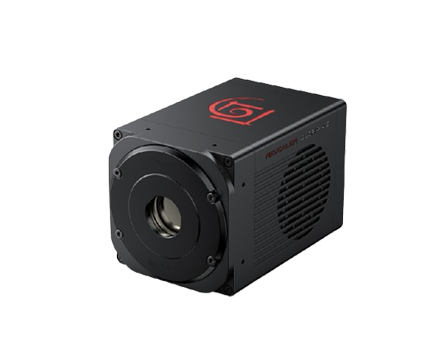
For instance, the Revealer S1310M/C captures full-resolution images at 1280 × 1024 while operating at 10,000 FPS, allowing researchers to preserve both temporal and spatial information during testing.
Higher-resolution recording generally requires larger memory capacity and faster data processing, both of which contribute to system cost.
The camera hardware is only one part of a complete imaging solution. Modern users often require software tools for:
Motion analysis
Velocity measurement
Trigger synchronization
Image enhancement
Data export
An imaging system that integrates smoothly into an existing workflow can save significant time over the life of the equipment.
When evaluating a 10000 fps camera price, buyers should consider not only the hardware specifications but also the software ecosystem and support resources available after purchase. In many cases, workflow efficiency has a greater impact on return on investment than small differences in initial acquisition cost.
Industrial and scientific imaging systems are often used in mission-critical environments. Downtime can delay research projects, production schedules, and testing programs.
As a result, many organizations evaluate vendors based on:
Training resources
Application support
Software updates
Maintenance services
Experienced high speed camera manufacturers often provide consultation during system selection and deployment, helping users optimize performance for specific applications. Strong technical support can reduce operating costs and improve overall productivity throughout the equipment lifecycle.
It can be tempting to compare cameras based only on upfront cost. However, the true cost of ownership often includes additional factors such as lighting equipment, lenses, storage infrastructure, software licenses, and operator training.
A lower-cost camera that produces insufficient image quality may require repeated testing, increasing labor expenses and extending project timelines.
For many organizations, the most economical solution is the system that captures accurate data consistently and integrates efficiently into existing workflows. Evaluating long-term performance rather than purchase price alone often leads to better investment decisions.
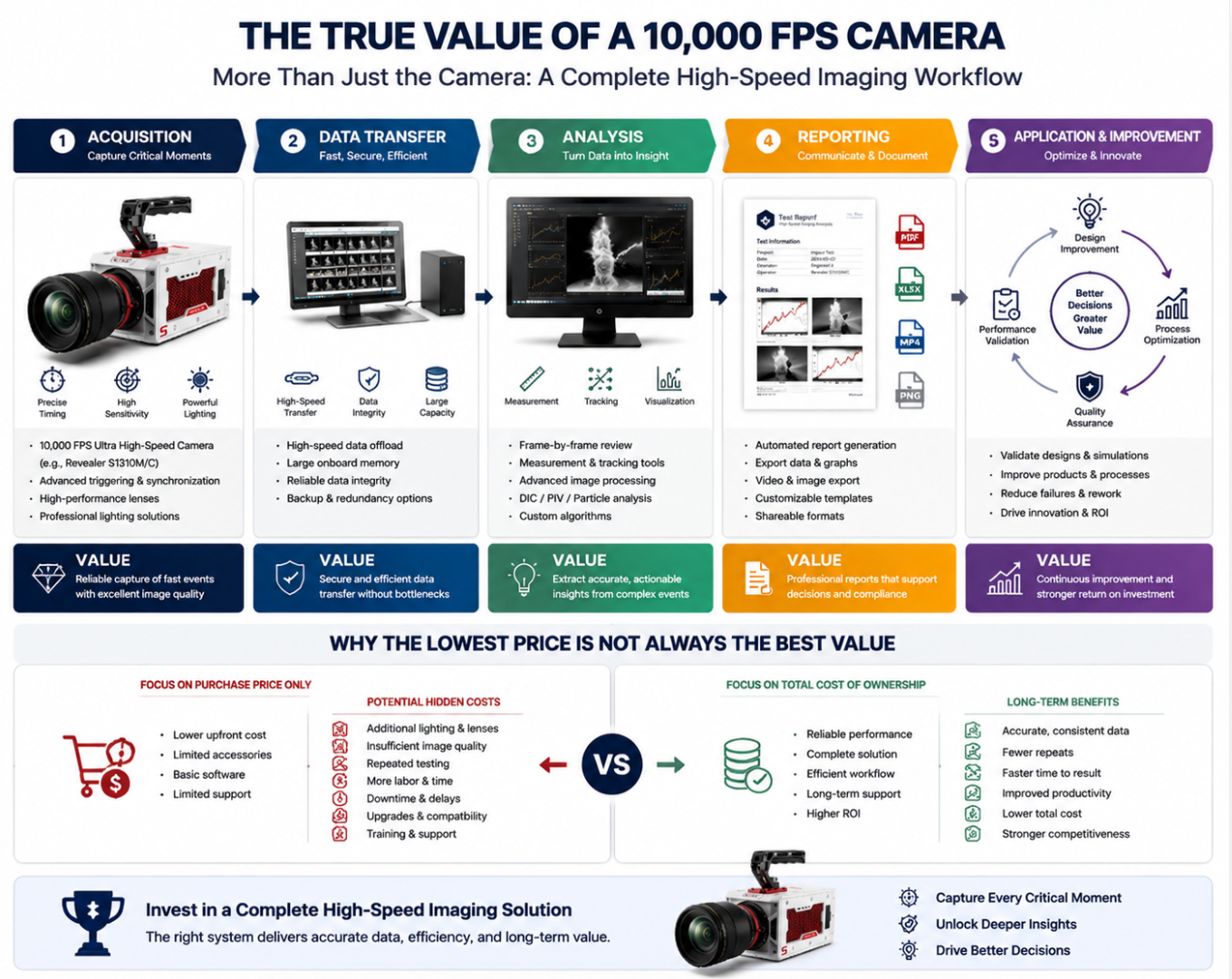
The cost of a 10,000 FPS camera is influenced by multiple factors, including sensor technology, memory capacity, resolution, software functionality, and technical support. While frame rate is an important specification, buyers should evaluate the complete imaging workflow and long-term operational value. For many industrial and scientific applications, selecting the right system is less about finding the lowest price and more about obtaining reliable, high-quality data when it matters most.
They require specialized sensors, high-speed electronics, large memory buffers, and precision timing systems capable of capturing events that occur within microseconds.
Sensor technology, memory capacity, image resolution, software capabilities, and technical support are typically the largest contributors to overall cost.
Yes. Maintaining high resolution at extremely high frame rates requires more advanced hardware, larger memory capacity, and faster data processing systems.
Instead of focusing only on frame rate, buyers should evaluate image quality, workflow efficiency, software functionality, support services, and total cost of ownership.
National Institute of Standards and Technology (NIST)
https://www.nist.gov
Encyclopaedia Britannica – High-Speed Photography
https://www.britannica.com/technology/high-speed-photography
Wikipedia – High-Speed Photography
https://en.wikipedia.org/wiki/High-speed_photography
 English
 Deutsch