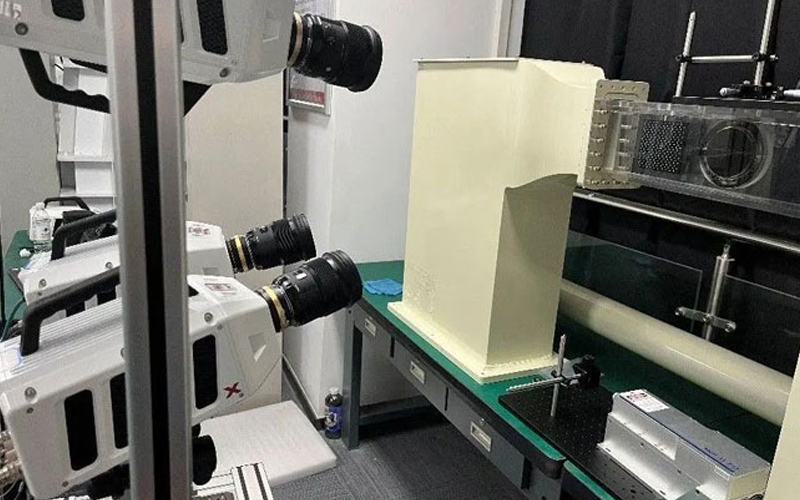
Choosing the right high-speed camera frame rate depends on the speed of the event you need to capture, the level of motion detail required, and the balance between frame rate, resolution, lighting, and exposure time. A 1,000 FPS camera is usually sufficient for general motion analysis and industrial troubleshooting, while a 5,000 FPS camera or 10,000 FPS camera is required for faster impact events, material deformation, fluid dynamics, and scientific research applications.
For industrial and research users, selecting the correct frame rate helps avoid unnecessary equipment costs while ensuring every critical movement is recorded clearly. This guide explains the differences between 1,000 FPS, 5,000 FPS, and 10,000 FPS high-speed cameras and how to choose the best solution for your application.
Frame rate, measured in frames per second (FPS), determines how many images a high-speed camera captures within one second. A higher frame rate allows users to observe faster events that are invisible to the human eye.
For example:
A 1,000 FPS camera captures 1,000 individual images every second.
A 5,000 FPS camera records five times more motion details.
A 10,000 FPS camera can reveal extremely short-duration events such as impact deformation, high-speed fluid movement, and rapid mechanical failure.
However, frame rate is only one factor affecting image quality. Higher FPS usually requires shorter exposure times, which means more powerful lighting may be needed to maintain image brightness and sharpness.
The relationship between frame rate, exposure time, and motion blur is critical:
Higher frame rates reduce motion blur by capturing shorter time intervals.
Shorter exposure times freeze fast-moving objects.
Better lighting improves image quality during ultra-high-speed recording.
For applications such as high-speed camera for motion analysis, choosing the correct FPS ensures accurate measurement and reliable data interpretation.
A 1,000 FPS camera is an ideal choice for many industrial inspection and engineering applications where motion is fast but not extremely rapid.
Typical applications include: Mechanical movement analysis. Automated production line troubleshooting. Robot motion inspection. Gear and motor analysis. Packaging machine failure detection.
General product testing. At 1,000 FPS, engineers can clearly analyze problems such as: Component vibration. Unexpected mechanical movement. Assembly errors. Machine synchronization issues.
For many manufacturing environments, a 1,000 FPS camera provides an excellent balance between image resolution, recording time, and storage requirements.
If the goal is to identify why a machine fails during operation rather than analyze extremely short physical phenomena, a 1,000 FPS system is often the most practical solution.
A 5000 fps camera is designed for applications where motion occurs significantly faster and requires more detailed frame-by-frame analysis.
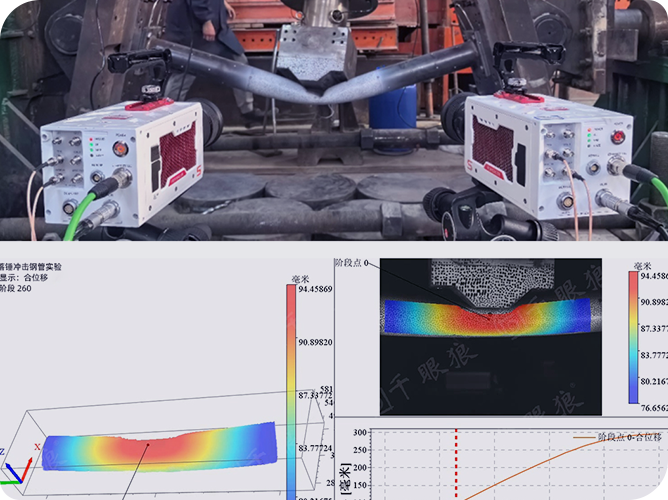
Common applications include: Impact testing. Material deformation analysis. Crack propagation studies. Mechanical stress testing. Fast rotating machinery inspection. Injection molding analysis.
Compared with 1,000 FPS, 5,000 FPS provides more temporal resolution, allowing engineers to observe details that may disappear between frames.
For example, during an impact test, a 5,000 FPS camera can capture: Initial contact. Material compression. Crack formation. Energy absorption behavior. Final deformation.
This makes a 5000 fps camera suitable for R&D departments, automotive testing, aerospace engineering, and industrial laboratories.
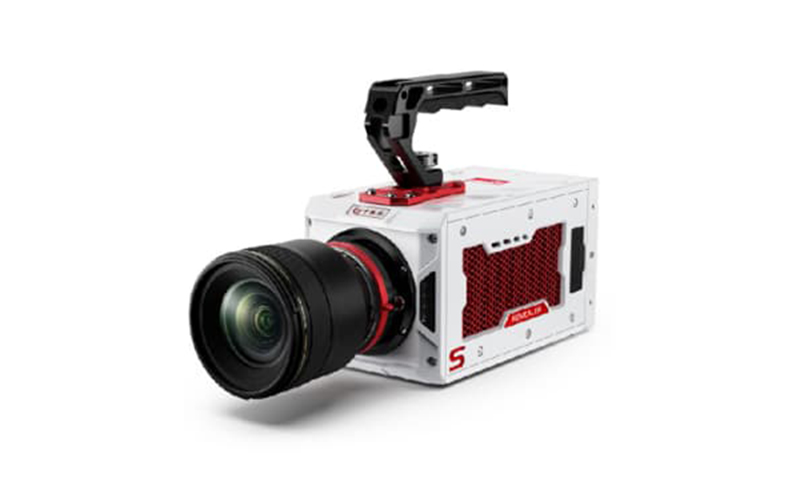
A 10000 fps camera or higher-speed system is required when analyzing extremely rapid physical processes that occur within milliseconds or microseconds.
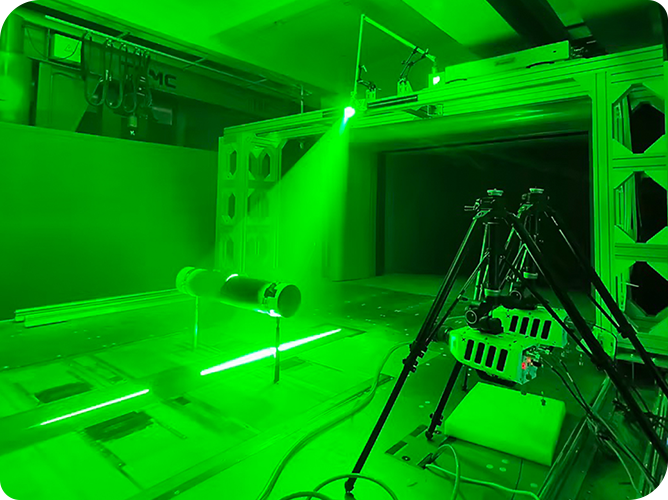
Typical applications include: High-speed impact testing. Explosion and combustion research. Ballistic analysis. Particle Image Velocimetry (PIV). Digital Image Correlation (DIC). Fast fluid dynamics. Shock wave observation.
A 10,000 FPS camera enables researchers to study complex motion patterns that cannot be captured with conventional imaging equipment.
For example, in DIC applications, thousands of frames allow precise tracking of surface deformation. In PIV experiments, ultra-high-speed imaging helps measure velocity fields in rapidly changing fluid environments.
Users selecting an ultra high speed camera should also consider resolution requirements, lighting conditions, and data processing capabilities.
One of the most important purchasing considerations is the relationship between frame rate and resolution.
Higher frame rates often require reduced resolution because the camera sensor and processor must handle significantly more data.
Frame Rate | Typical Resolution Capability | Suitable Applications |
1,000 FPS | High resolution available | Machine inspection, motion analysis, production troubleshooting |
5,000 FPS | Medium to high resolution | Impact testing, material research, mechanical analysis |
10,000 FPS+ | Reduced resolution depending on settings | Ballistics, PIV, DIC, ultra-fast scientific imaging |
Before purchasing, buyers should evaluate: Required FPS for the event. Minimum image resolution needed. Recording duration. Data storage capacity. Lighting conditions. Lens and optical requirements.
A higher FPS specification does not always mean a better solution. The correct camera configuration depends on the actual application.
High-speed imaging requires careful control of lighting and exposure.
When frame rates increase, exposure times become shorter. Without sufficient illumination, images may become dark or noisy.
Professional high-speed imaging systems typically require: High-intensity LED lighting or specialized light sources. Short exposure times to reduce motion blur. Stable mounting systems. Appropriate lenses with sufficient light transmission.
For example, a 10,000 FPS recording may require significantly stronger lighting compared with a 1,000 FPS industrial inspection task.
Users should also consider whether the camera will operate in a laboratory environment or a production facility, as lighting conditions can greatly affect image quality.
As a professional high-speed imaging manufacturer, Revealer provides high-performance camera solutions designed for industrial testing, scientific research, and engineering analysis.
Revealer’s high-speed camera systems support applications including: Motion analysis. Impact testing. Material deformation measurement. DIC and PIV research. Industrial troubleshooting.
By combining high-speed recording capability, advanced sensor technology, and flexible configuration options, Revealer helps engineers select the right imaging solution based on actual testing requirements rather than only FPS specifications.
For users looking for an industrial high-speed camera, selecting the correct model should consider frame rate, resolution, recording memory, synchronization requirements, and application environment.
Learn more about Revealer’s high-speed camera products and explore suitable solutions for industrial and research applications.
For customized imaging requirements, OEM projects, and integration solutions, Revealer can provide technical support according to customer specifications.
Before purchasing a high-speed camera, buyers should confirm:
Define the fastest movement that needs to be captured.
Determine whether 1,000 FPS, 5,000 FPS, or 10,000 FPS is requiredCheck the required image resolution.
Evaluate lighting and exposure conditions.
Consider storage and data processing requirements.
Confirm lens, synchronization, and trigger options.
Select a supplier with technical support capability.
The required frame rate depends on the speed of the event. For general industrial motion analysis, 1,000 FPS is often sufficient. Faster events such as impact testing and deformation analysis may require 5,000 FPS or higher.
Not necessarily. A higher frame rate provides more motion detail but may reduce resolution and increase data volume. The best choice depends on your testing requirements.
A 5000 FPS camera is suitable for many engineering and industrial tests, while a 10000 FPS camera is designed for extremely fast phenomena such as shock waves, ballistic testing, and advanced scientific research.
Yes. High-speed cameras are widely used in DIC and PIV applications because they can capture rapid changes in deformation and fluid movement with high temporal resolution.
Higher frame rates require shorter exposure times. More lighting helps maintain image brightness and reduces image noise during fast recording.
Buyers should evaluate camera specifications, application experience, technical support, customization capability, and long-term reliability.
Selecting the correct high-speed camera frame rate is about matching performance with application requirements. A 1,000 FPS camera is suitable for general industrial analysis, a 5,000 FPS camera provides more detail for engineering tests, and a 10,000 FPS camera is designed for advanced scientific and ultra-fast motion research.
Revealer helps global customers choose the right high-speed imaging solution based on testing goals, environmental conditions, and performance requirements.
Contact us to request specifications, bulk quotation, or OEM support for your high-speed camera project.
 English
 Deutsch