This paper systematically addresses the selection logic and implementation pathways for Particle Image Velocimetry (PIV) systems, targeting the demands of full-field, transient velocity measurements in experimental fluid dynamics, aerodynamics, and multi-phase flow research. Guided by the "governing constraint" analytical framework, PIV systems are categorized into four typical architectures: high-frequency time-dominant, high-resolution space-dominant, three-dimensional volumetric-dominant, and multi-physics coupled-dominant. Configuration recommendations are provided for fourteen typical application scenarios spanning scientific research, biomedical engineering, and industrial sectors. This paper aims to offer researchers and engineering professionals a selection reference that combines academic rigor with engineering practicality, promoting the efficient and widespread application of full-field, transient velocity measurement technologies.
The core mission of experimental fluid dynamics is to reconstruct transient flow field structures and elucidate their underlying dynamic mechanisms. While traditional point-based measurement techniques—such as hot-wire anemometry and Laser Doppler Velocimetry (LDV)—offer high temporal resolution at discrete points, they fall short in capturing the spatially non-uniform processes inherent to turbulent coherent structure evolution, vortex generation and dissipation, and multi-phase interfacial dynamics. This limitation results in a significant loss of critical spatial information required to fully characterize the instantaneous topology of complex flows.
Particle Image Velocimetry (PIV) fundamentally transforms this paradigm by reconstructing instantaneous velocity vector fields from sequential image pairs through statistical cross-correlation of tracer particle displacements. In this context, a complete PIV system is not merely an assembly of imaging devices and light sources; it constitutes a unified measurement framework integrating the optical illumination system, timing synchronization mechanism, imaging chain, and flow reconstruction algorithms. Consequently, the effectiveness of a PIV system is determined not by a single parameter such as laser energy or camera resolution, but by its capacity to stably reconstruct statistically significant flow field information under specific flow velocities, spatial scales, seeding conditions, and optical environments.
The fundamental challenge in Particle Image Velocimetry system selection arises from the mismatch between the multi-scale nature of fluid processes and the discrete sampling characteristics of measurement systems. In different flow problems, the time scale, spatial scale, and environmental interference conditions form the governing constraints that dictate system design. Understanding and prioritizing these constraints is the essential starting point for any selection process.
Time-Dominant Constraint: In high-speed jets, impinging flows, or flows with intense turbulence, flow structures evolve dramatically within millisecond to microsecond intervals. The system must provide sufficiently high temporal resolution to prevent tracer particles from displacing beyond the correlation window between successive frames, which would invalidate the cross-correlation algorithm. The key performance metrics are the ability to minimize the inter-frame time (Δt) and maintain sub-nanosecond synchronization accuracy.
Space-Dominant Constraint: In microfluidics, bio-microchannel flows, or fracture seepage problems, the characteristic flow structures are on the order of micrometers or millimeters. Measurement accuracy is primarily limited by the resolving power of the optical imaging system and the discriminability of particle images. The system's core requirement is spatial fidelity, encompassing optical distortion control, depth-of-field optimization, and precise calibration at high magnifications.
Spatio-Temporal Equilibrium: In problems such as airfoil aerodynamics in wind tunnels or vortex-induced vibrations, the system must simultaneously satisfy the spatial resolution needed to resolve eddy structures and the temporal resolution required to capture unsteady flow separation. The selection process inherently involves a coupled optimization between spatial fidelity and temporal dynamic capture, often requiring careful balancing of camera resolution, full-frame frame rates, and laser repetition rates with adequate pulse energy.
Environment-Dominant Constraint: In high-temperature combustion, multi-phase reactive flows, or media with strong refractive index gradients, measurement errors are often dominated not by sampling parameters but by optical disturbances introduced by the medium itself (e.g., thermal radiation, interfacial scattering). The design focus shifts to optical filtering capabilities (e.g., narrowband filters), signal-to-noise ratio management, and vibration-resistant synchronization stability.
The flow structure is characterized by shear layer development and periodic vortex shedding. Its core physical features focus on unsteady vortex street evolution under low-to-moderate Reynolds numbers. The primary research objective is to stably capture vortex shedding frequency and spatial structure, rather than pursuing extreme temporal resolution or ultra-fine spatial details.
A 2D2C PIV system is recommended. A low-frequency dual-pulse laser (10–15 Hz, pulse energy 100–200 mJ) paired with a megapixel cross-frame camera is adopted. Optimization of light sheet thickness to illuminate the measurement cross-section is prioritized, and a multi-grid iterative cross-correlation algorithm is applied to acquire velocity vector fields with a wide dynamic range. Post-processing typically incorporates Proper Orthogonal Decomposition (POD) to extract dominant flow modes.
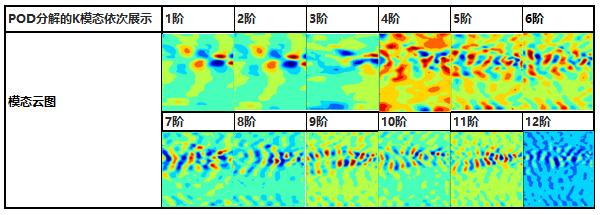
Figure: POD modal analysis of cylinder wake flow via Revealer PIV software RFlow4
Flow structures are formed by coexisting continuous and dispersed phases, with interfacial dynamics as the dominant factor. Nonlinear momentum exchange between phases induces pronounced spatial heterogeneity in local flow fields. Three-dimensional flow reconstruction is mandatory to eliminate structural information loss caused by two-dimensional projection.
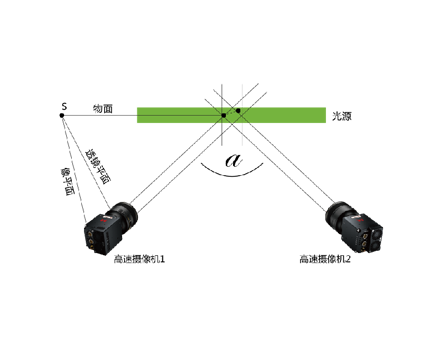
A stereoscopic PIV (2D3C PIV) or tomographic PIV (3D3C PIV) system is recommended, equipped with High Dynamic Range (HDR) imaging and deep learning-based background segmentation algorithms to separate dispersed and continuous phases effectively. Lasers with ultra-short pulse widths are required to freeze interfacial motion, and surface-modified tracers matched to the refractive index of the dispersed phase should be selected.
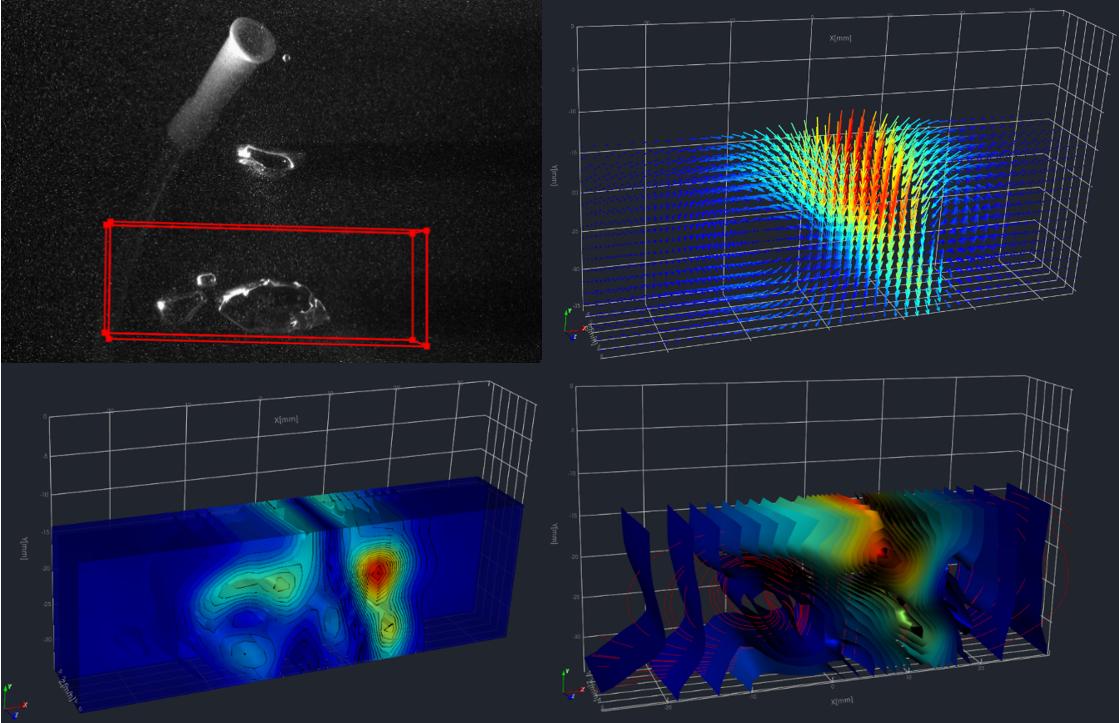
Figure: Three-dimensional flow fields, velocity iso-surfaces and vortex structures under Q-criterion of gas-liquid two-phase flow measured by Revealer Tomo-PIV system with four X150 high-speed cameras
In vortex-induced vibration studies, flow fields drive structural deformation, which in turn modulates local flow patterns. The core research target is to resolve the phase relationship between flow fields and structural responses. Therefore, the PIV system must operate synchronously with structural measurement hardware under a unified time reference to reconstruct fluid-structure coupling relations. The critical metric is the temporal synchronization consistency of multi-physics measurements, rather than isolated flow field precision. A 2D3C PIV system is proposed to acquire three-dimensional velocity fields, coupled with a 3D DIC system via a synchronizer with nanosecond-level timing alignment, enabling precise mapping between flow-induced forces and structural displacements at each instant.
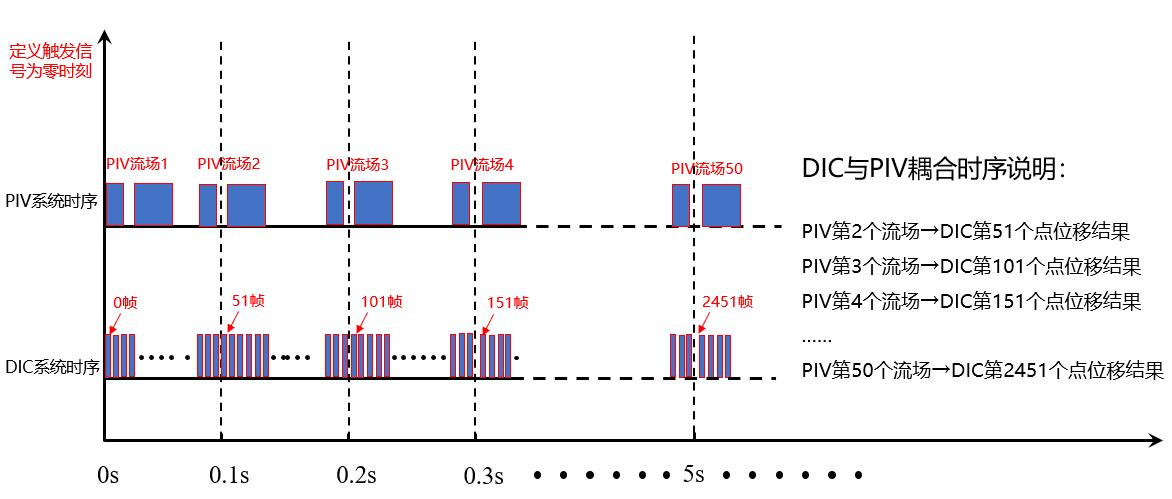
Figure: Timing diagram of coupled Revealer 3D DIC and 3D3C PIV systems
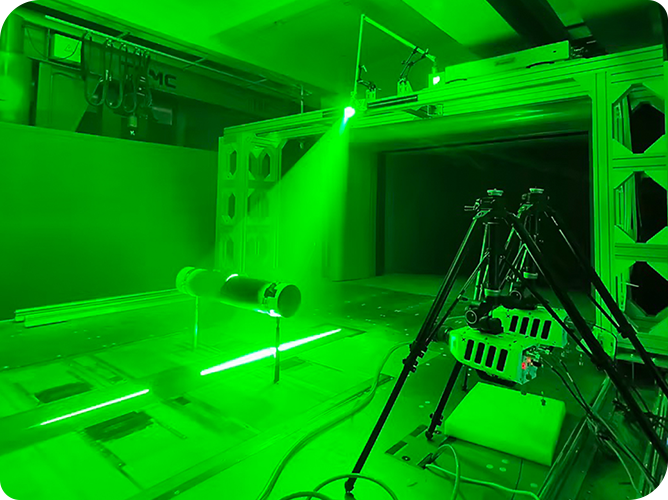
Wind tunnel airfoil research focuses on boundary layer development, flow separation and vortex generation mechanisms. Flow structures exhibit strong unsteadiness, and gas velocities can reach subsonic or transonic regimes with rapid structural variations. A high-frequency 2D2C / 2D3C PIV system is recommended, consisting of a high-repetition-rate pulsed laser and a megapixel high-speed cross-frame camera capable of frame rates exceeding 10,000 fps. An ultra-short inter-frame time interval (<1 μs) is essential to freeze high-speed particle displacement, and the synchronizer must achieve nanosecond precision to coordinate laser pulses and camera exposure timing.
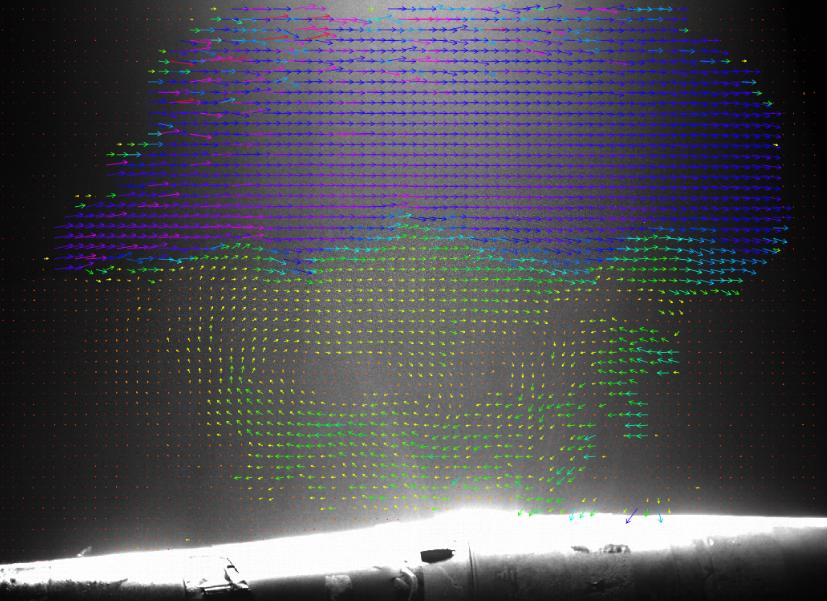
Figure: Flow distribution above a conical structure in wind tunnel measured by Revealer high-frequency PIV equipped with X150 high-speed cameras
In flame combustion research, fluid motion and chemical reactions are tightly coupled. Coexisting steep temperature and concentration gradients introduce severe optical perturbations. Simultaneous acquisition of flow velocity and concentration distributions of key free radicals (OH, CH) is required to analyze turbulence-chemistry interaction. A coupled PIV-PLIF measurement system is deployed, featuring two independent laser and imaging chains: the PIV chain for velocity measurement, and the PLIF chain using a tunable dye laser to excite target species fluorescence. The primary technical challenges are coplanar spatial alignment and precise temporal synchronization. A sophisticated beam combining system ensures coincident light sheets, while a multi-channel synchronizer delivers nanosecond trigger alignment for high-speed PIV cameras, PLIF cameras, image intensifiers and lasers.
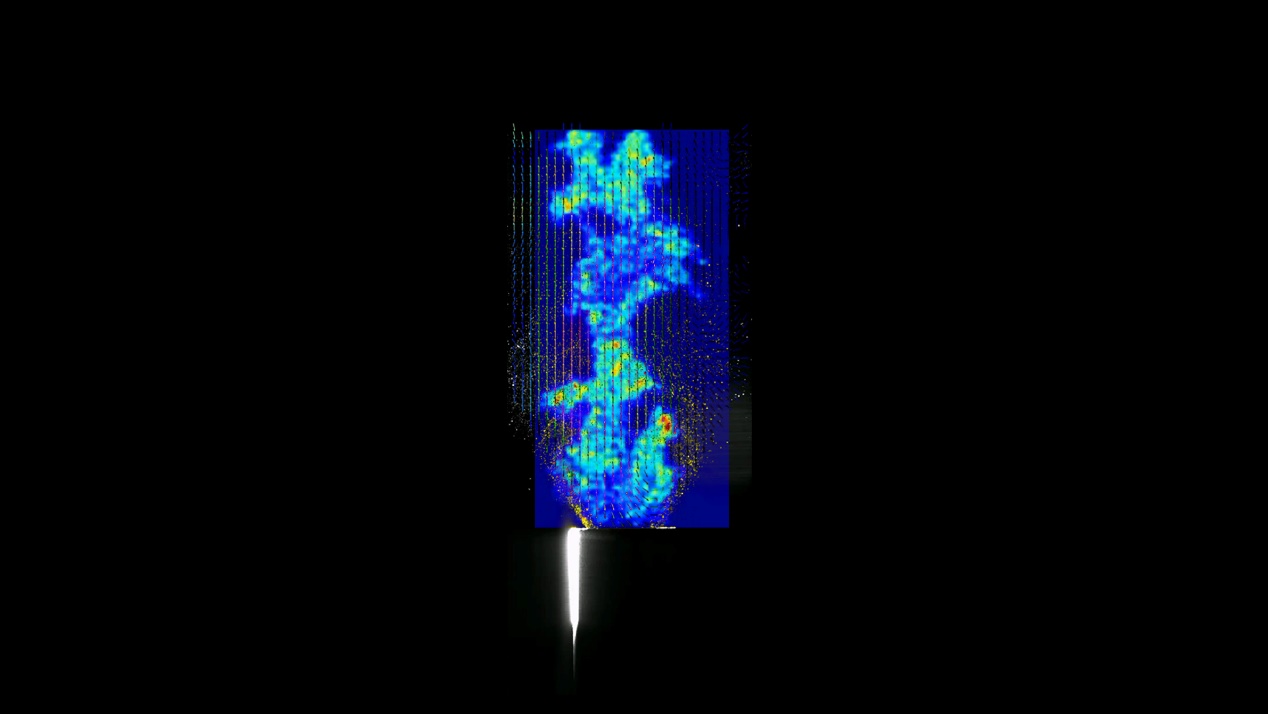
Figure: Synchronized imaging of flame flow structures and reaction zones at identical time instants and measurement planes using Revealer high-frequency PIV-PLIF coupled system with two S1310 high-speed cameras
Flow within porous media fractures occurs at tiny scales with highly heterogeneous geometric structures, classified as microscale flow measurement. Quantitative characterization of velocity distributions, preferential flow paths and stagnant zones at micrometer to millimeter scales is required. A Micro-PIV system is recommended, integrated with Revealer high-resolution high-speed cameras, high-magnification microscopic imaging modules, lasers and coaxial optical paths for clear microscale flow capture. The RFlow4 PIV software suite completes closed-loop data processing, including vector calculation, flow field analysis, streamline and vorticity extraction from raw particle images.
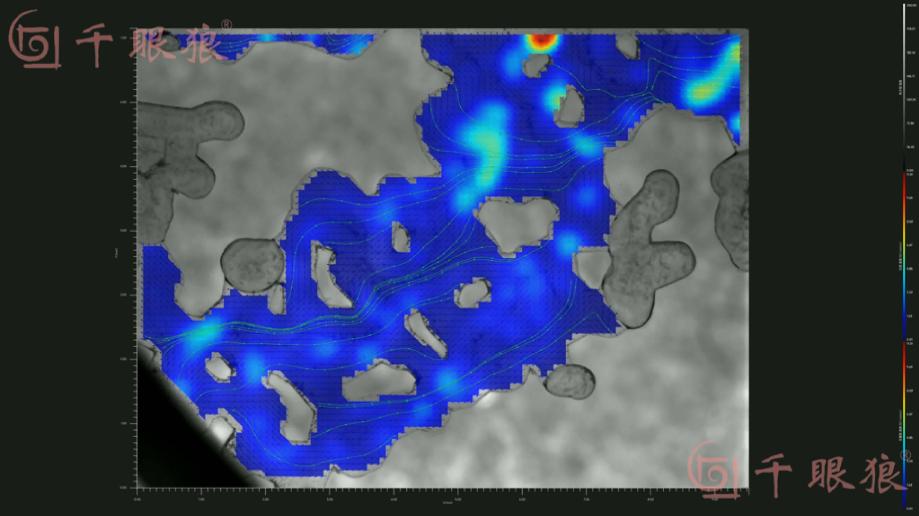
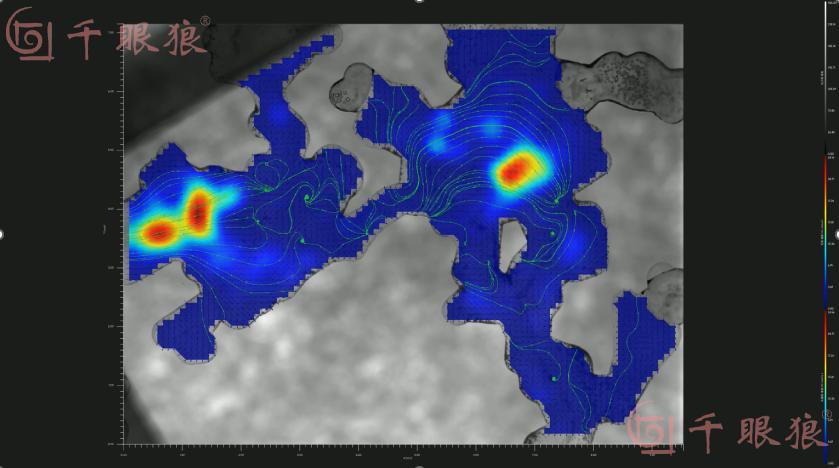
Figure: Flow characteristics inside fracture channels before and after infiltration measured by Revealer high-frequency PIV equipped with X150 high-speed cameras
Heart valve flow involves strong fluid-structure coupling between blood flow and flexible leaflets. Local shear stress distributions directly govern valve performance and thrombosis risk. The primary challenge is capturing periodic unsteady flow structures; hence the PIV system must deliver stable temporal resolution to resolve millisecond-scale rapid valve opening/closing and associated complex jets.
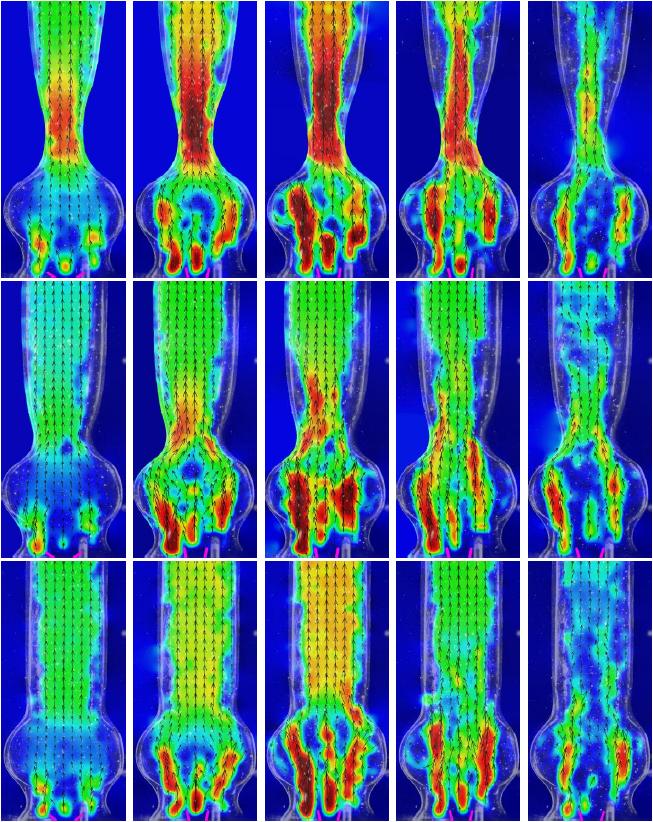
Figure: Downstream velocity contours of aortic valves under high, normal and low arterial pressure measured by Revealer high-frequency PIV system with X150 high-speed cameras
Microfluidic research investigates fluid mixing, droplet generation, cell manipulation and particle aggregation within microchannels. Flows operate at micrometer scales under low Reynolds number laminar conditions, where system performance is entirely constrained by spatial resolution and optical imaging quality. A Micro-PIV system paired with an inverted fluorescence microscope is recommended, utilizing high-quantum-efficiency cameras and long-working-distance objectives to precisely resolve velocity gradients and diffusion within microchannels.
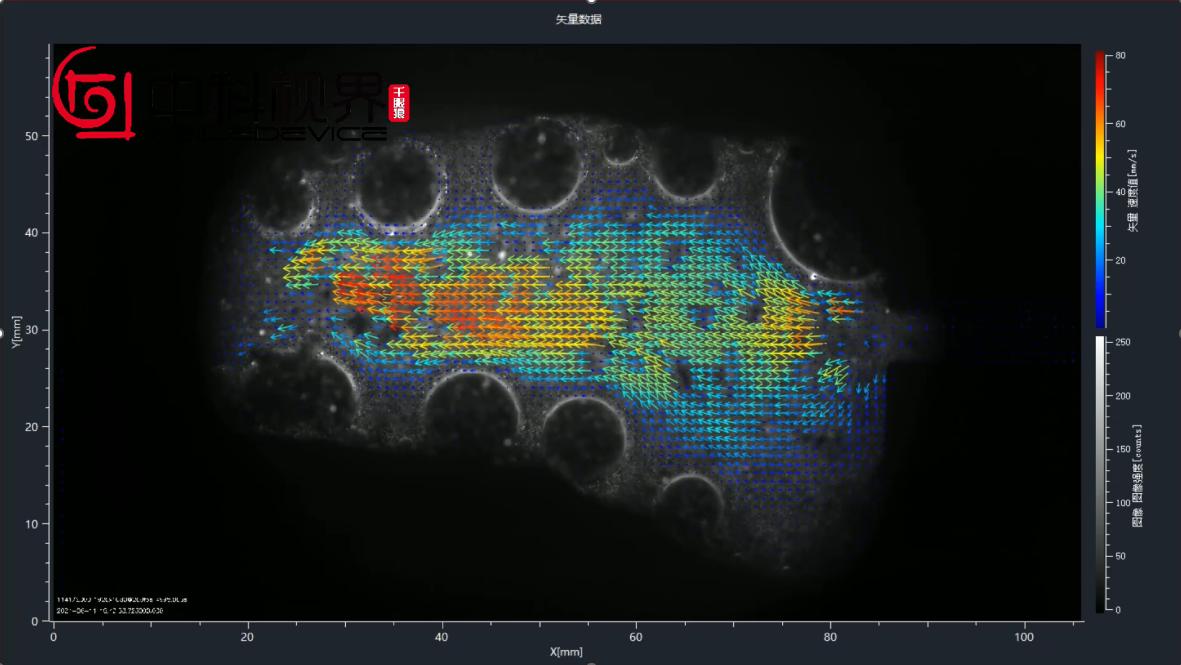
Figure: Internal flow velocity contour measured by Revealer Micro-PIV system with M230 high-speed cameras
Interfacial evolution during droplet oscillation and breakup exhibits highly transient, nonlinear behavior. Disturbances induce sequential droplet stretching, necking and rupture stages. Temporal resolution must be sufficient to capture the full process of neck thinning and fracture, mandating a high-speed PIV platform.
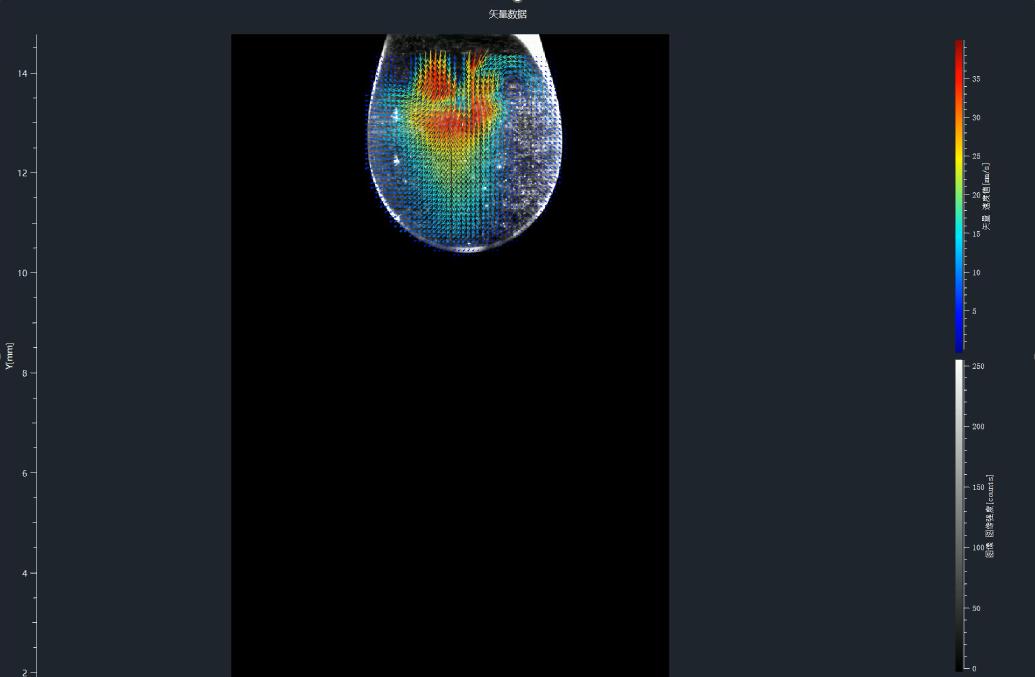
Figure: Internal velocity contour of falling droplets measured by Revealer high-frequency PIV system with X150 high-speed cameras
Bionic fish flow research shifts from static structural flows to highly maneuverable biological propulsion mechanisms. Tail flapping and body undulation under acceleration, turning and escape maneuvers induce unsteady vortex structures, which regulate thrust and attitude control via vortex shedding and vortex ingestion. The PIV system must synchronously resolve body motion boundaries and surrounding vortex evolution, maintaining adequate temporal resolution over a relatively large field of view to characterize vortex generation, reverse Kármán vortex street transition and thrust vector deflection.
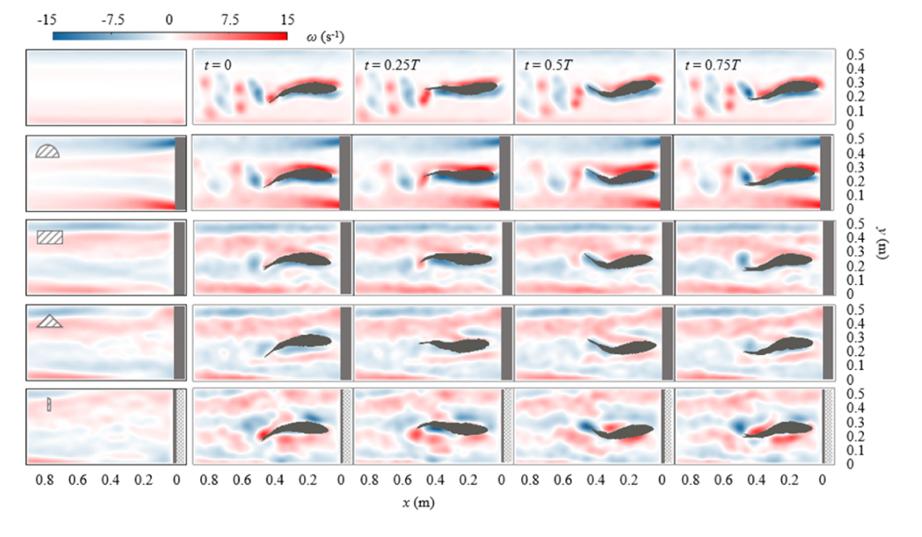
Figure: Vorticity angular velocity contour of bionic fish wake measured by Revealer high-frequency PIV system with X150 high-speed cameras
Internal flows of pumps and fluid machinery consist of impeller-induced flow, secondary flow and recirculation zones. Core research targets include analyzing energy loss mechanisms and efficiency distributions. Two-dimensional or three-dimensional PIV methods are adopted for both steady and transient measurements to fully resolve complex internal flow structures.
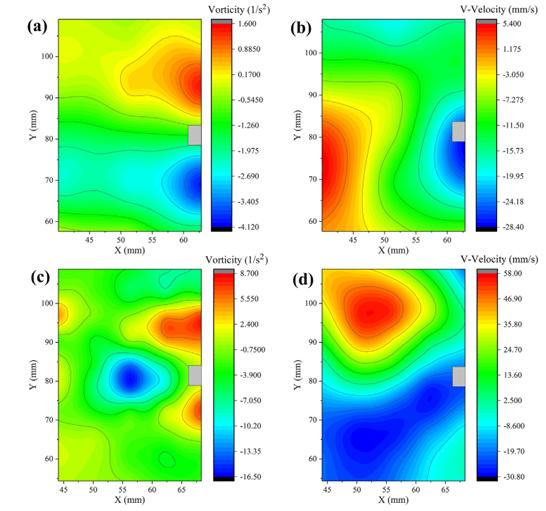
Figure: Vorticity and velocity vector diagrams of traditional and flexible-rigid blades measured by Revealer high-frequency PIV system with 5F01 high-speed cameras
Nozzle spray research focuses on primary atomization, liquid core breakup, droplet size and velocity distributions near the nozzle exit. Flow structures feature multi-scale coexistence, dense droplet populations, severe multiple scattering and ultra-high flow velocities, classified as time-dominated measurement scenarios. A high-frequency 2D2C PIV system combined with shadowgraphy is recommended, utilizing high-energy ultra-short-pulse dual lasers to freeze high-speed tiny droplets.
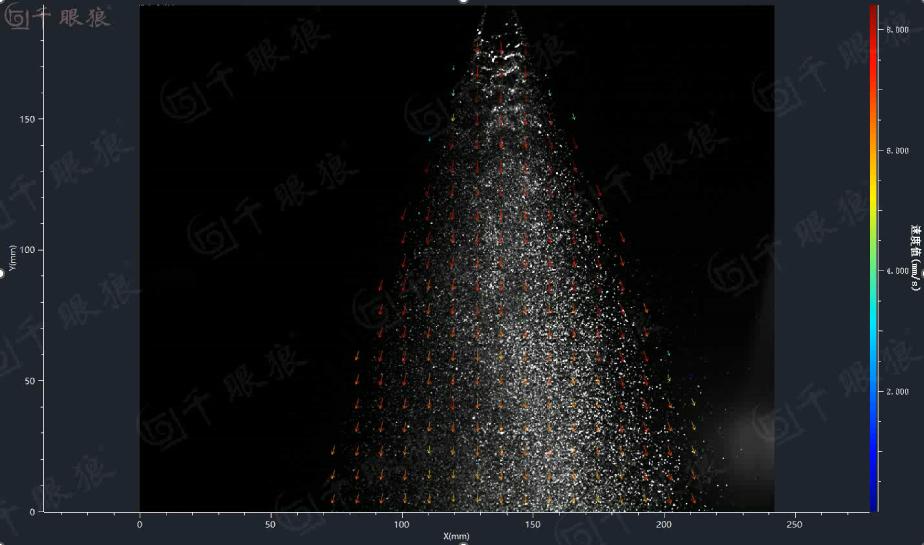
Figure: High-speed spray flow measured by Revealer high-frequency PIV system with NEO25 high-speed cameras
Research on water electrolysis characterizes bubble nucleation, growth, coalescence and detachment at electrode surfaces, as well as their impacts on electrolytic efficiency and concentration polarization. This scenario is environment-dominated with wide-ranging bubble sizes and rapid motion. A combined Micro-PIV and high-speed visualization platform is proposed to achieve unified characterization of multi-scale flow structures.
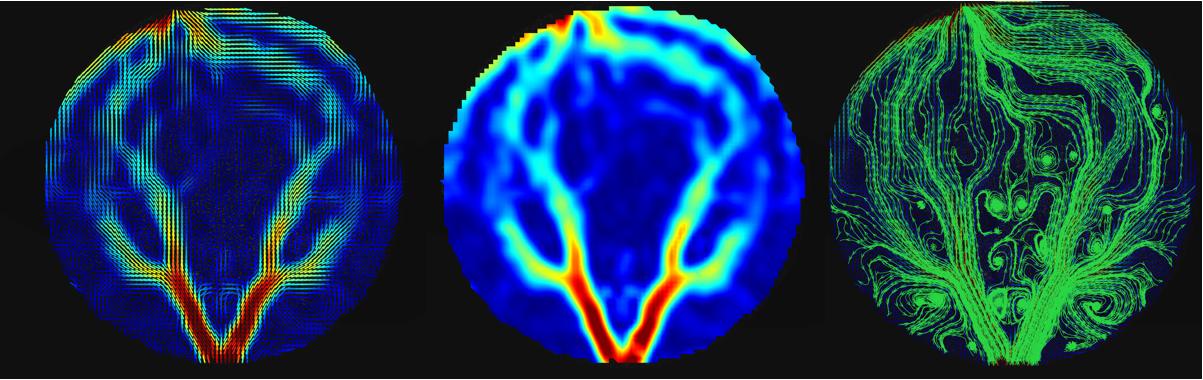
Figure: Flow velocities in electrolytic cell channels, electrode and diaphragm surfaces measured by Revealer high-frequency PIV system with S1315 high-speed cameras
Typical Scenario | Recommended System | Resolution Requirement | Frame Rate Requirement | Laser Type (Energy / Repetition Rate) | Dominant Constraint | Key Selection Criteria |
Microfluidics / Fracture Seepage | Micro-PIV | ≥ 4000 × 3000 | ≤ 50 fps | Continuous / Low-frequency dual-pulse (10–50 mJ) | Space & Environment | High-magnification objectives, distortion correction, refractive index matching |
Cylinder Wake / Pump Internal Flow | 2D2C PIV | 2560 × 1920 | 100–2000 fps | Low-frequency dual-pulse (100–500 mJ) | Balanced Spatio-Temporal | Light sheet uniformity, phase locking, inter-frame time optimization |
Vortex-Induced Vibration / Airfoil Wake | 2D3C PIV | 2560 × 1920 | 500–5000 fps | High-frequency dual-pulse (20–50 mJ @ >1 kHz) | 3D & Balanced Time | Stereoscopic calibration, large depth of field, synchronization with DIC systems |
Bionic Fish Maneuver Flow | 2D2C PIV | > 1 Megapixel | 2000–15000 fps | High-frequency dual-pulse (20–50 mJ) | Time | Superior temporal resolution |
Combustion Flame Diagnostics | Coupled PIV-PLIF | PIV: > 1 MP; PLIF: High-sensitivity | ≥ 10 kHz | PIV: High-frequency laser; PLIF: Dye laser | Multi-Physics Coupling | Beam combination, timing synchronization, image intensifiers, optical filters |
Heart Valve / Droplet Breakup | 2D2C / 2D3C PIV | 1280 × 1024 | 2000–10000 fps | High-frequency dual-pulse (20–50 mJ) | Time | Precise wall shear stress calculation, HDR imaging |
Nozzle Spray / Two-Phase Flow | High-frequency 2D2C PIV | 1280 × 1024 | ≥ 15000 fps | High-energy ultra-short-pulse dual laser | Time & Strong Scattering | Microsecond-scale exposure, background segmentation, PTV algorithms |
Water Electrolysis for Hydrogen Production | Micro / 2D2C PIV | ≥ 2 Megapixels | 500–5000 fps | Continuous / High-frequency laser | Environment & Multiphase | Fluorescent tracers, long-working-distance objectives |
Essentially, PIV system selection involves precise measurement modeling tailored to specific fluid physical problems. Based on the multi-scenario analysis above, three core guiding principles are established:
I. Priority of Dominant Constraint: First identify the primary experimental bottleneck—whether limited by flow velocity (time), geometric scale (space), measurement dimension (3D) or complex medium environment (multiphase). For transonic flows, inter-frame time and frame rate take precedence; for microscale flows, magnification and distortion correction are prioritized; for complex vortex or biological locomotion research, upgrading to 2D3C or 3D3C systems should be considered.
II. System Synergy and Complete Optical Path Matching: PIV configuration requires holistic matching of lasers, high-speed cameras, synchronizers, light sheet optical components and tracer particle properties.
III. Scalability and Synchronization Compatibility: PIV platforms shall be equipped with external trigger interfaces to coordinate shock tubes, DIC systems, image intensifiers and other auxiliary equipment. For multi-probe and large-field-of-view applications, distributed architectures with unified global coordinate mapping should be supported.
Taking dominant measurement constraints as the core thread, this paper summarizes demand characteristics and hardware configuration recommendations for diverse application fields. It aims to advance accurate, efficient deployment of full-field transient velocity measurement technology across scientific research and industrial engineering practices.
 English
 Deutsch