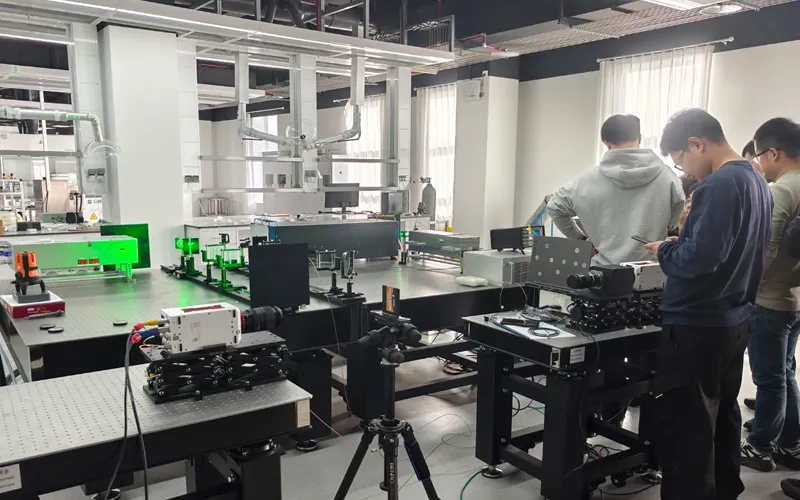
Recently, the 7th National Academic Conference on Icing, Anti-Icing and Deicing was held. As an important domestic academic exchange platform in the field of icing and anti-deicing, the conference gathered experts and scholars from aeronautics and astronautics, energy & electric power, material science, fluid mechanics and cryogenic engineering. Participants discussed hot research topics including aircraft icing, anti-icing coating materials, droplet dynamics, phase-change heat transfer, as well as extreme-environment equipment protection.
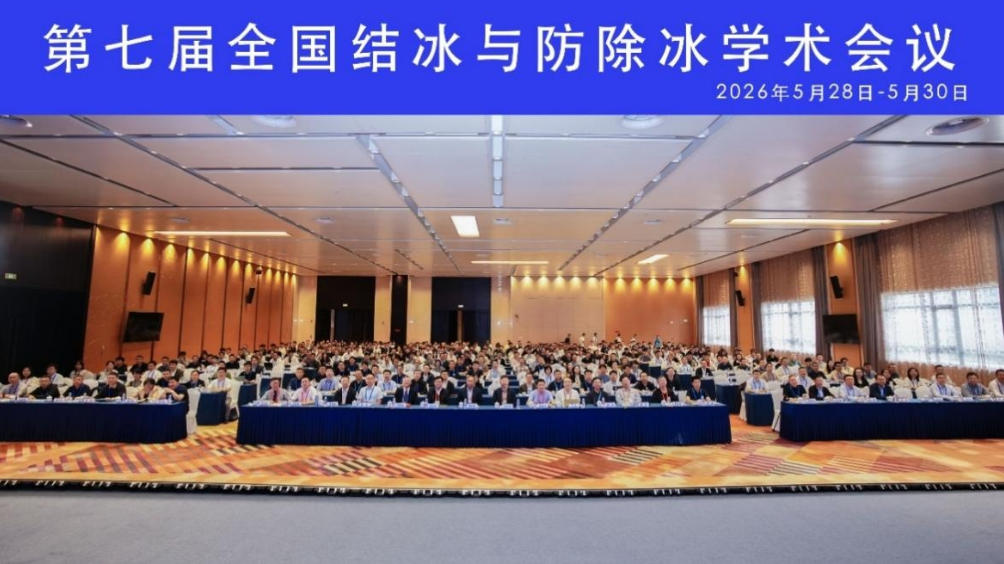
In recent years, research priorities of icing studies have gradually shifted from macroscopic indicators such as icing thickness, deicing efficiency and ice accumulation morphology to the microscopic formation process of ice. Researchers have paid increasing attention to microscopic mechanisms including droplet spreading after collision, crystal nucleation, ice crystal growth paths and evolution of interfacial wetting status, to uncover the essential physical nature of icing initiation.
Icing is a typical dynamically coupled process of fluid flow, heat transfer, phase transition and interfacial interaction. From droplet contact with solid surfaces to complete freezing, successive transient phases take place: spreading, retraction, bouncing, nucleation, crystal growth and interfacial instability, with the whole procedure lasting from hundreds of microseconds to several milliseconds. Researchers have to adopt high-speed imaging technology to record and interpret icing mechanisms so as to build reliable theoretical models.
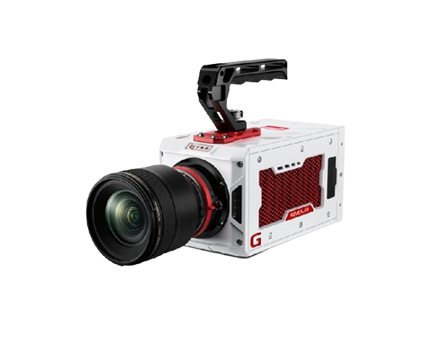
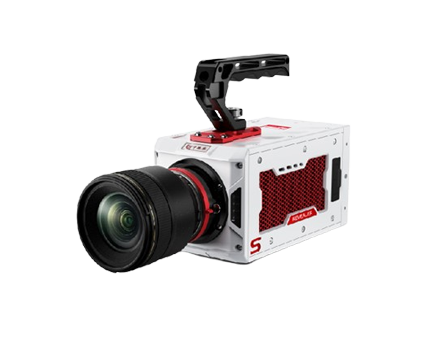
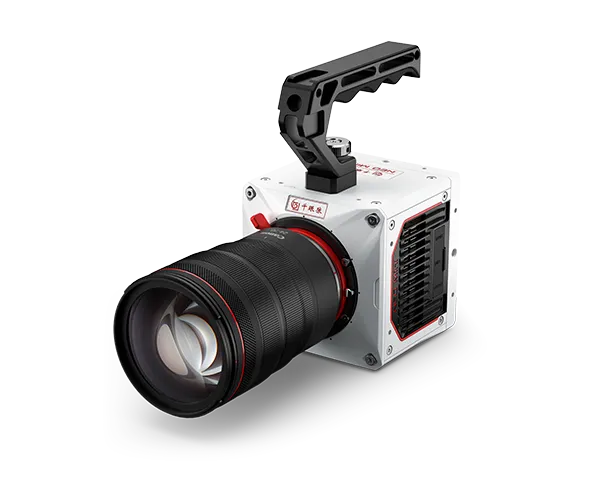
Agile Device, an industry-leading enterprise with over 20 years of R&D experience in high-speed imaging technology, attended the exhibition with three core product lines of Revealer: NEO25, NEO Mini and M Pro, and displayed typical engineering applications of Revealer high-speed cameras in icing and anti-deicing research to participating experts.
1. Temporal Resolution Requirement: Frontier research on nucleation mechanism, interfacial evolution and energy transfer is highly time-scale dependent. Core physical phenomena such as droplet collision, spreading, crystal nucleation and ice crystal growth occur within milliseconds or even microseconds. Observation equipment with insufficient temporal resolution fails to reveal underlying formation mechanisms.
2. Spatial Resolution Requirement: Research objects commonly involve millimeter or micron-scale droplets, micro-nano structured surfaces and phase-change contact lines. Most experiments are carried out under harsh conditions of low temperature, fogging and airflow shear, imposing strict requirements on high-speed cameras in terms of spatial resolution, environmental durability and layout flexibility.
3. Multi-dimensional Characterization Requirement: Beyond capturing droplet morphological variations, researchers demand synchronous matching of imaging data with force, thermal and electrical signals, and conduct integrated analysis by synchronizing sequential high-speed images with multi-channel sensor data of force, heat and electricity.
Targeting the above experimental requirements, Revealer high-speed cameras and matching technologies are optimized focusing on temporal precision, environmental adaptability and multi-source data synchronization:
1. Core Performance Parameters: Revealer NEO-series ultra-high-speed cameras deliver a maximum frame rate of 25,000 fps under full-frame shooting, making them an ideal camera 25000 solution for capturing ultra-fast icing and phase-transition phenomena; G Pro high-resolution high-speed cameras realize 1,000 fps sampling at 21-megapixel full resolution; compact NEO Mini and M Pro strike a balance between high sampling performance and flexible installation layout, matching observation needs covering macroscopic droplet bouncing to microscopic ice crystal growth across different time scales. Equipped with high-sensitivity low-noise image sensors, these cameras guarantee clear imaging under weak ambient light.
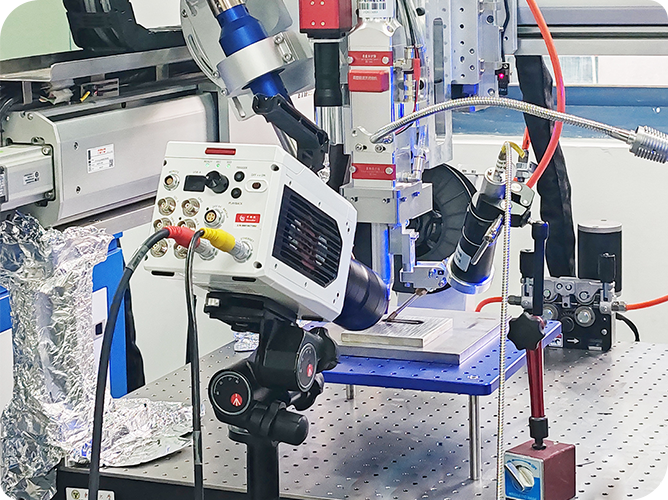
2. Multi-source Data Coordination: All Revealer high-speed cameras support external trigger input and precise IRIG-B timestamp calibration, and can be embedded into multi-channel data acquisition systems to achieve nanosecond-level synchronization between high-speed visual data and force-thermal-electric measurement signals, providing critical experimental datasets for multi-physics coupling model establishment.
1. Visualization Study on Droplet Freezing over Superhydrophobic Surfaces
A research team from Guangxi University focuses on revealing the kinetic icing mechanism of droplets on superhydrophobic materials. The core experiment targets full-process recording of millimeter-sized droplet freezing on cryogenic superhydrophobic substrates, especially transient crystal nucleation and lateral propagation of ice crystals.
To overcome difficulties in capturing instantaneous nucleation, the research group deployed Revealer S1315 high-speed camera with a working frame rate of 3,000 fps (peak configurable frame rate:15,000 fps). Custom constant-temperature lens hoods and high-brightness LED spotlights were horizontally arranged to eliminate lens fogging and insufficient illumination under low-temperature environments; the optical axis of the lens was kept parallel to the superhydrophobic sample surface to clearly capture side profiles of droplets and detailed solid-liquid interfacial features.
Sequential high-speed images fully document three evolutionary stages: internal ice nucleus formation inside droplets, lateral expansion of ice crystals and integral solidification. Test results prove that superhydrophobic surfaces can not only delay icing onset, but also alter ice crystal spreading paths and freezing modes. Image data captured by high-speed cameras enables researchers to interpret the regulation effect of superhydrophobic microstructures on icing behaviors from a dynamic perspective, supplying critical theoretical references for subsequent anti-icing material development.
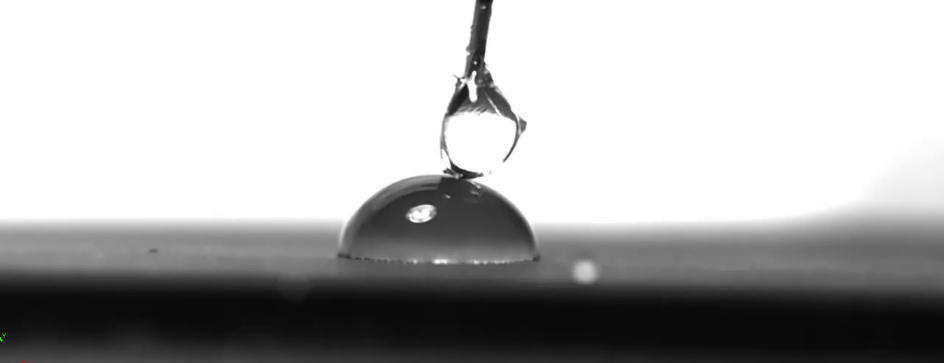
2. Anti-Icing Mechanism Research on Lubricant-Infused Surfaces
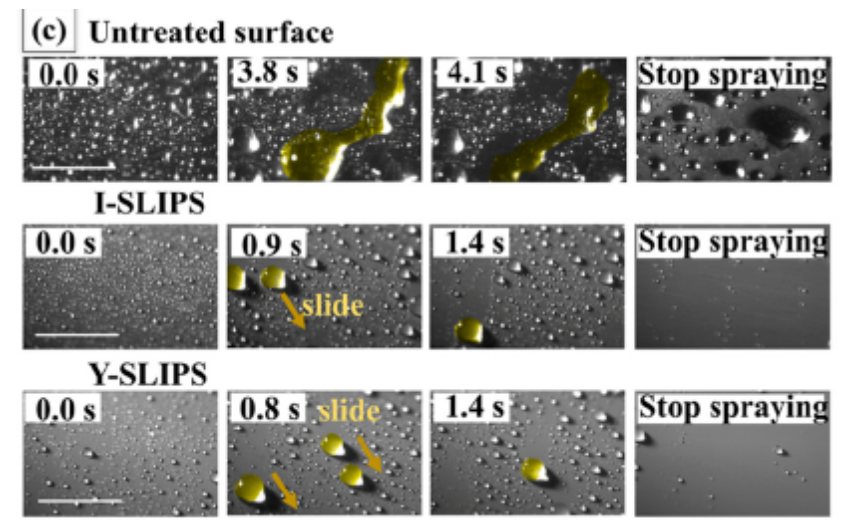
Researchers from Chongqing University devote to the optimization of anti-icing materials represented by Y-SLIPS, a novel dendrite-structured porous surface filled with lubricating liquid. During long-term service, continuous migration and loss of internal lubricant directly decide the persistent anti-icing performance of substrates, which is determined by the dynamic evolution rule of lubricant inside porous frameworks.
To explore the above rule, the team introduced Revealer high-speed imaging technology and adopted M-series high-speed cameras running at 2,000 fps to record full trajectories of droplets upon collision, spreading, sliding and detachment. The stable 2000 fps recording performance ensured accurate analysis of droplet dynamics and lubricant migration behavior. Post-image processing was applied to calculate contact angles and evaluate the integrity of residual lubricant films.
In simulated icing tests with sprayed droplets impacting untreated bare substrates and Y-SLIPS specimens, Revealer M high-speed cameras recorded the whole procedure of droplet collision, accumulation and sliding off on two types of samples. Test results verify that the unique dendritic porous structure effectively extends the service lifespan of infused lubricants, providing direct experimental evidence for designing long-lifetime SLIPS anti-icing coatings.
3. Research on Large Free-Interface Deformation & Wetting of Droplets on High-Temperature Surfaces
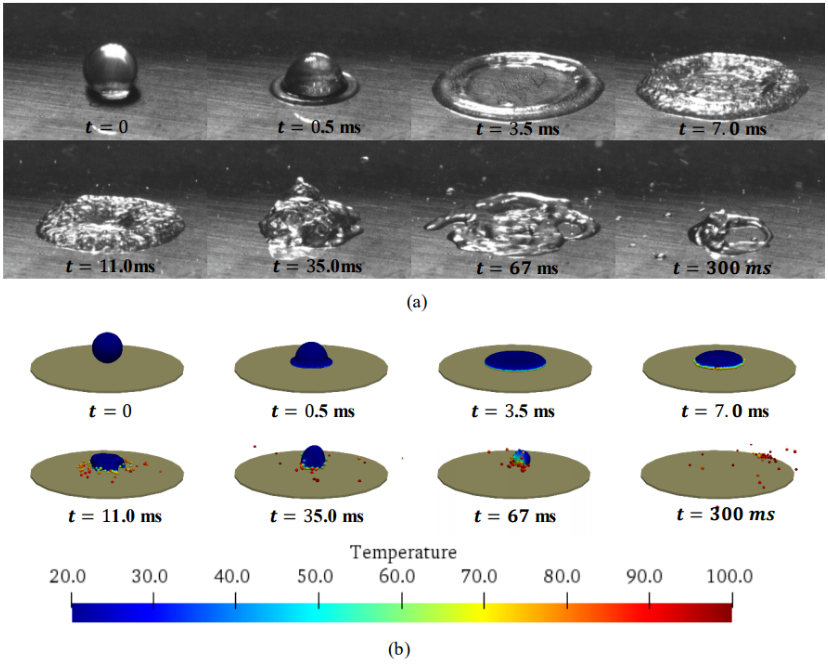
A research group from North China Electric Power University studies wetting, boiling and dramatic free-surface deformation of droplets impacting substrates heated to 120°C, involving complex thermo-fluid-solid coupling effects. High-speed cameras continuously record full interfacial evolution after droplets contact hot surfaces to characterize spreading, retraction and severe free-interface deformation. Key parameters including droplet outline variation, contact line migration and dynamic free-surface response are accurately extracted from high-temporal-resolution image sequences.
Experimental findings indicate elevated surface temperature remarkably changes droplet wetting characteristics and interfacial evolution rules. Affected jointly by thermocapillary effect, evaporative heat transfer and surface tension during spreading, droplet free interfaces present sophisticated large-scale dynamic deformation patterns. High-speed footage intuitively reveals the whole morphological evolution of liquid interfaces and provides core experimental support for establishing heat transfer mathematical models of droplets striking high-temperature solid surfaces.
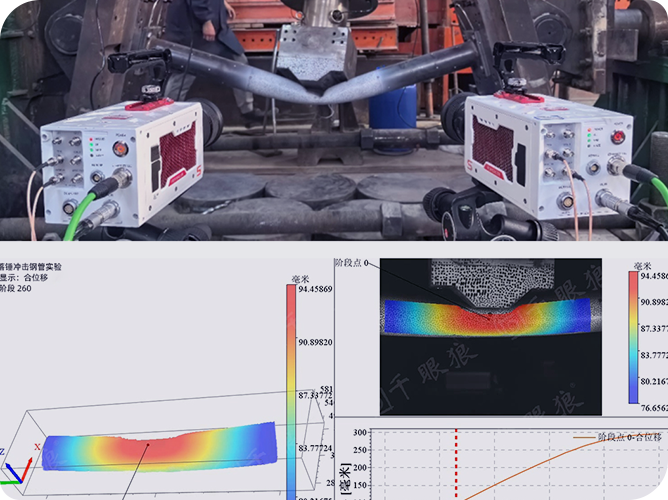
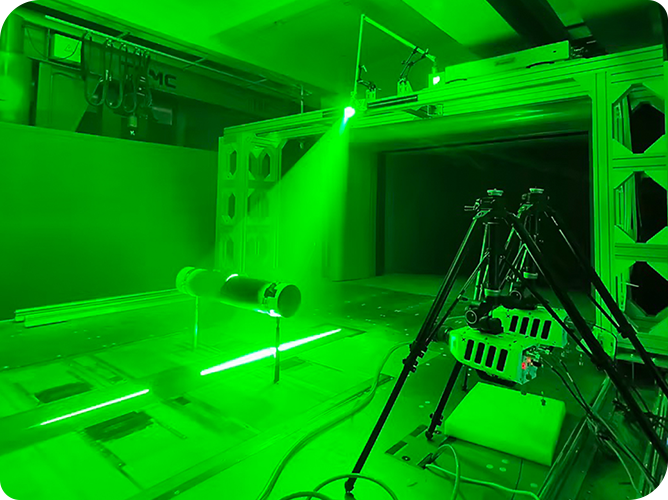
Current research on icing, anti-icing and deicing is developing rapidly toward interfacial physics, phase transition kinetics, multi-scale heat & mass transfer and coupling mechanism analysis under complex ambient conditions. Most critical transient physical processes take place within millisecond or microsecond scales, beyond the detection capability of traditional measuring instruments. Benefiting from outstanding high temporal resolution and dynamic visualization capability, Revealer high-speed imaging technology forms complete evidence chains for researches on droplet collision, crystal nucleation, ice crystal proliferation and interfacial evolution. Further deep integration of high-speed imaging with PIV, DIC, infrared thermal measurement and other testing techniques will realize full-field multi-physics synchronous detection. As sensor technology and imaging performance continue to advance, the emergence of each new high speed camera generation will further enhance researchers’ ability to investigate complex icing and anti-deicing mechanisms, becoming a dominant development trend for future icing and anti-deicing research.
 English
 Deutsch