In high-speed visual measurement scenarios—such as explosion mechanics and rigid body motion—High Speed Cameras generate massive datasets. The challenge lies in efficiently and accurately extracting "keyframes" that record critical events for data storage and analysis. Agile Device (formerly Zhongke Junda Shijie) has developed the RCANet, a revolutionary neural network designed to identify keyframes through semantic perception rather than simple pixel variance.
Traditional methods for identifying keyframes in High Speed Camera sequences primarily rely on pixel-level statistics, which face significant limitations:
Frame Difference Methods: These calculate pixel variances between adjacent frames. While efficient, they are highly sensitive to noise, lighting changes, and local interference, often leading to false triggers.
Background Modeling: Techniques like Gaussian Mixture Models struggle to converge in violent, high-speed scenarios, frequently missing critical events like explosion fragments.
To overcome these hurdles, Agile Device engineers introduced RCANet, which models scene changes at the semantic level.
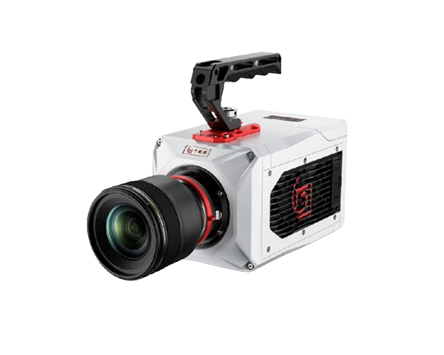
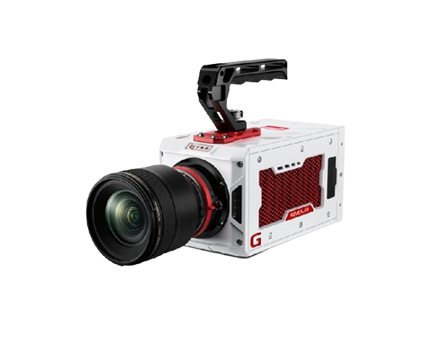
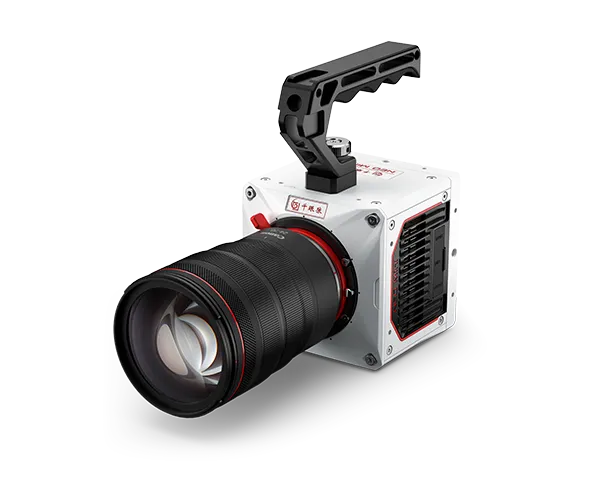
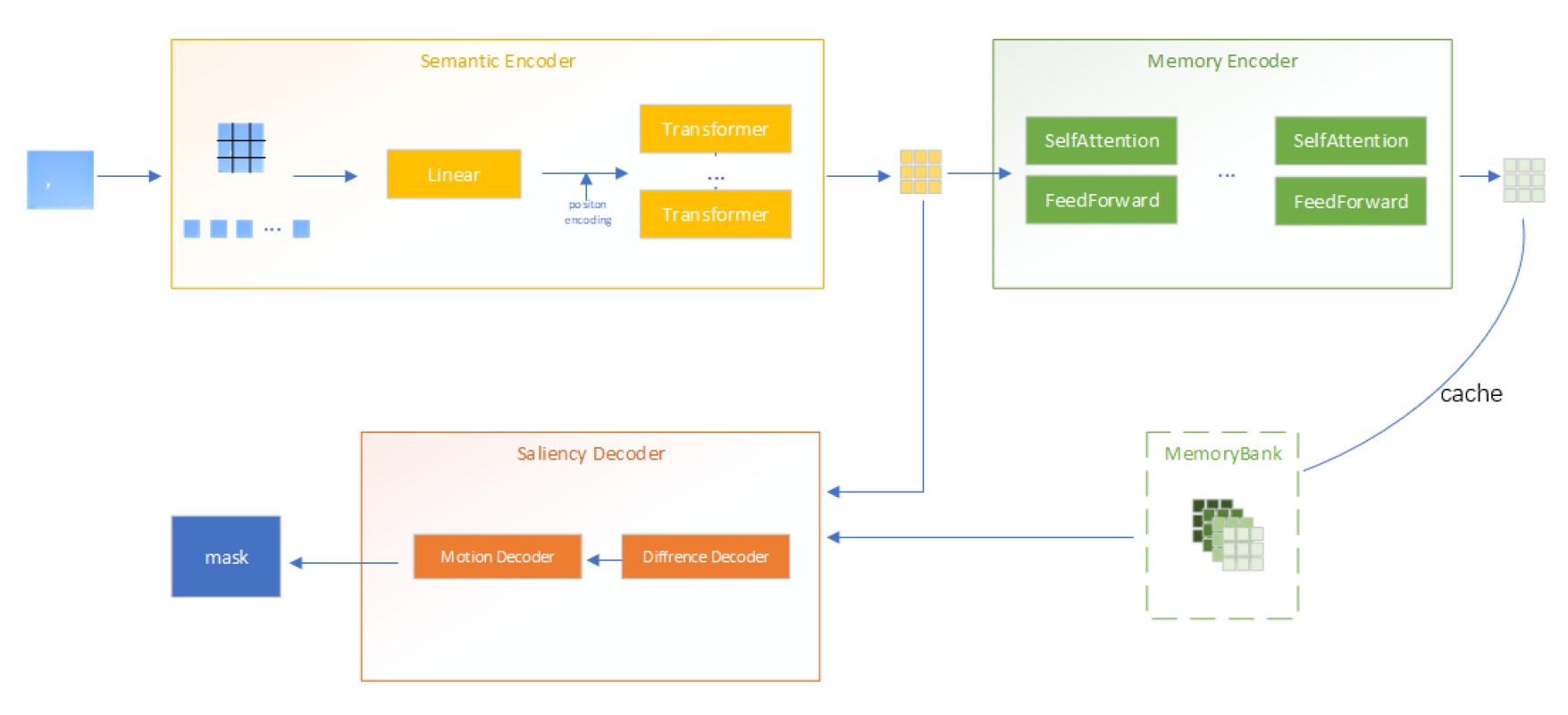
The Revealer (formerly Qianyanlang) series of High Speed Cameras leverages the RCANet's three-module structure to ensure data integrity:
1. Semantic Understanding Module
Utilizing deep convolution and self-attention mechanisms, this module establishes global semantic correlations between pixels. Instead of merely detecting brightness or color shifts, it parses object categories, structural forms, and contextual information.
2. Memory Encoder
This module introduces temporal modeling via memory caching and gating mechanisms. It distinguishes between transient disturbances and continuous motion, allowing the system to understand state transitions—such as an object moving from a whole state to a fragmented state—without misidentifying static targets as background.
3. Saliency Decoder
By combining semantic features with historical data, this decoder evaluates the significance of changes. It generates semantic heatmaps and confidence scores to trigger High Speed Camera keyframes, filtering out irrelevant background noise.
Implementing RCANet within High Speed Camera systems offers distinct benefits:
High Interference Resistance: Accurately differentiates between target changes and environmental noise.
Complex Scene Adaptability: The temporal memory mechanism allows for stable detection in evolving high-speed sequences with low parameter dependency.
Seamless System Integration: Optimized for real-time or near-real-time keyframe localization within High Speed Camera hardware.
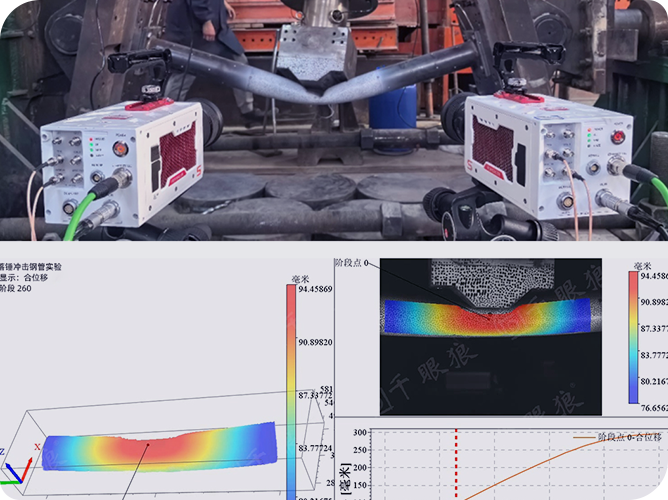
Explosion and Impact Testing
In environments with intense light, smoke, and flying debris, RCANet identifies structural targets over non-target fragments, marking critical time nodes for mechanical analysis.
Aerospace Separation Experiments
For high-speed mechanism separation, the system recognizes the state change between the released object and its support structure, capturing precise frames of detachment and 6-DOF (Six Degrees of Freedom) motion.
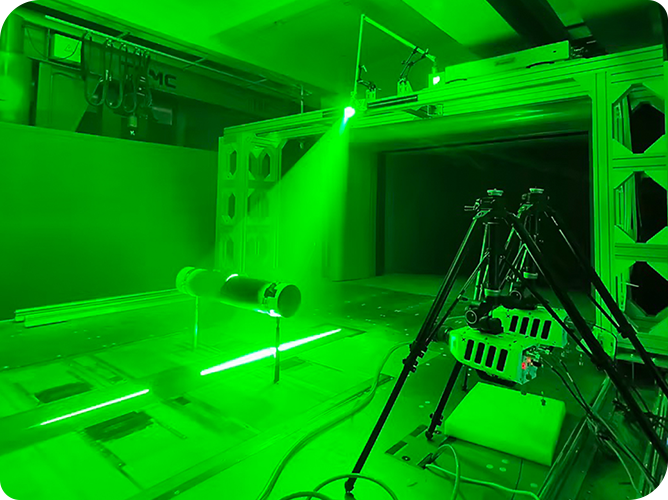
High-Speed Target Tracking
RCANet maintains target identity consistency despite air turbulence or rapid scale changes, preventing tracking interruptions during brief occlusions or sudden velocity shifts
 English
 Deutsch