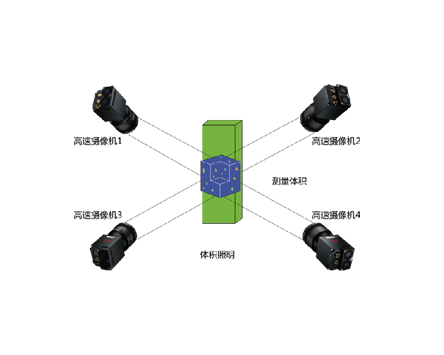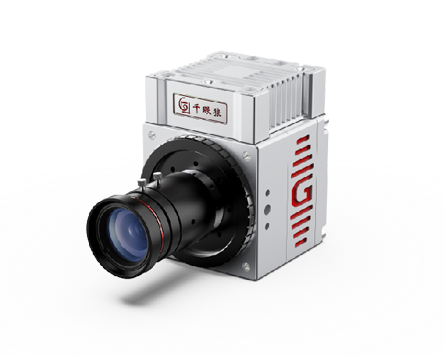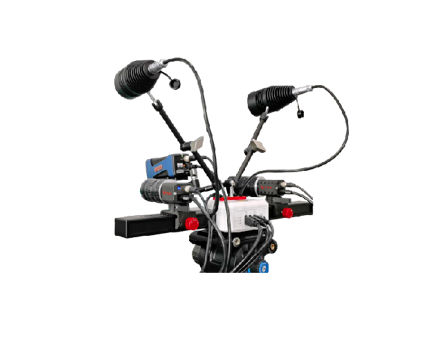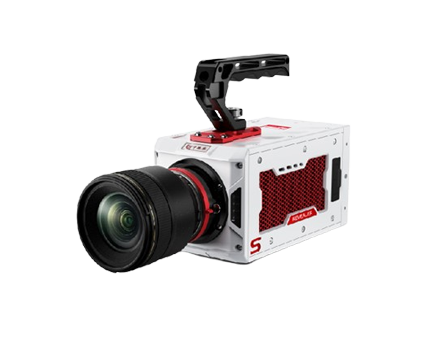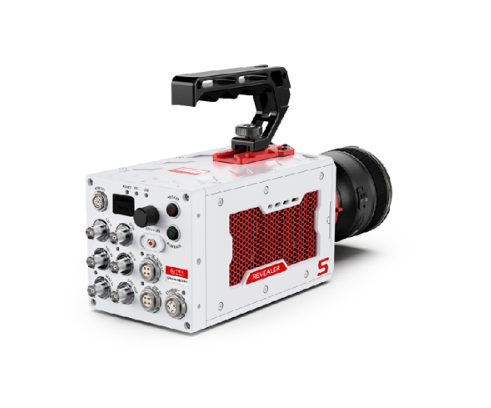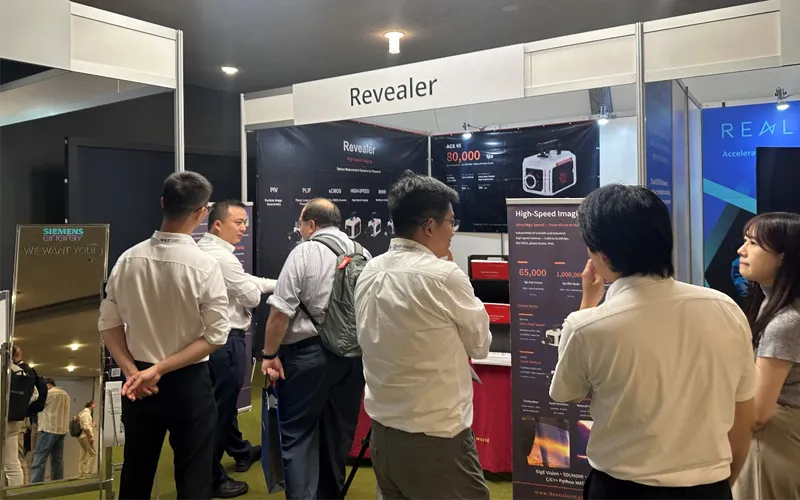
To address the memory bottleneck and computational efficiency constraints encountered by 3D3C PIV (tomographic particle image velocimetry) in large-scale three-dimensional flow field reconstruction, a multi-GPU parallel computing architecture is adopted to effectively extend the computational capability and throughput of large-scale 3D flow field data. This provides a scalable computational architecture pathway for high-resolution 3D flow field measurements.
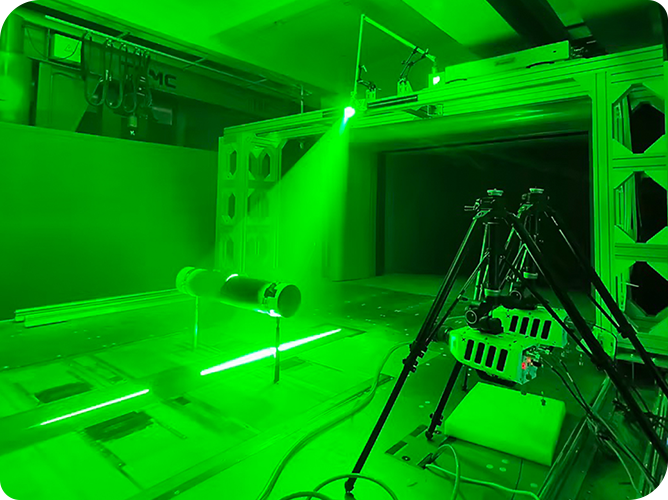
3D3C PIV technology achieves three-dimensional three-component velocity field measurements of complex flow fields through volumetric reconstruction and 3D cross-correlation computations. With improvements in experimental optical system resolution and increased reconstruction precision, the computational data scale exhibits an exponential growth trend. As a result, the optimization of the camera measurement system and computational framework becomes increasingly important for maintaining high-quality 3D flow field reconstruction.
In the computational pipeline, the 3D cross-correlation stage accounts for the majority of the computational load. This process is highly parallel in nature at the algorithmic level but is constrained in engineering practice by GPU memory capacity and data throughput limitations. When the number of interrogation windows reaches the order of tens of thousands, single-GPU systems often encounter memory overflow or computation interruption, limiting further development of high-resolution 3D3C PIV experiments. Therefore, the Revealer 3D3C PIV system, as an advanced piv system for large-scale flow field analysis, introduces a multi-GPU parallel computing architecture to enhance large-scale 3D flow field reconstruction capability and computational scalability.
This study conducts comparative experiments under unified hardware and parameter configurations.
At the algorithmic level, a spatial partition-based multi-GPU scheduling strategy is adopted. The 3D voxel space is divided into multiple subregions according to geometric continuity principles. Each subregion corresponds to an independent set of interrogation windows and is assigned to different GPUs for cross-correlation computation tasks. After completing 3D correlation computation and displacement field solving locally, each GPU returns results to the host for unified stitching and coordinate alignment, thereby reconstructing the complete 3D flow field.
This approach maintains consistency with single-GPU computational logic. Only a parallel scheduling mechanism is introduced at the execution level; therefore, it does not alter the physical definition or mathematical model of 3D3C PIV.
Three groups of experimental datasets of different scales are selected for comparative analysis, corresponding to 966, 35,568, and 49,608 interrogation windows, covering computational loads from small scale to extreme scale.
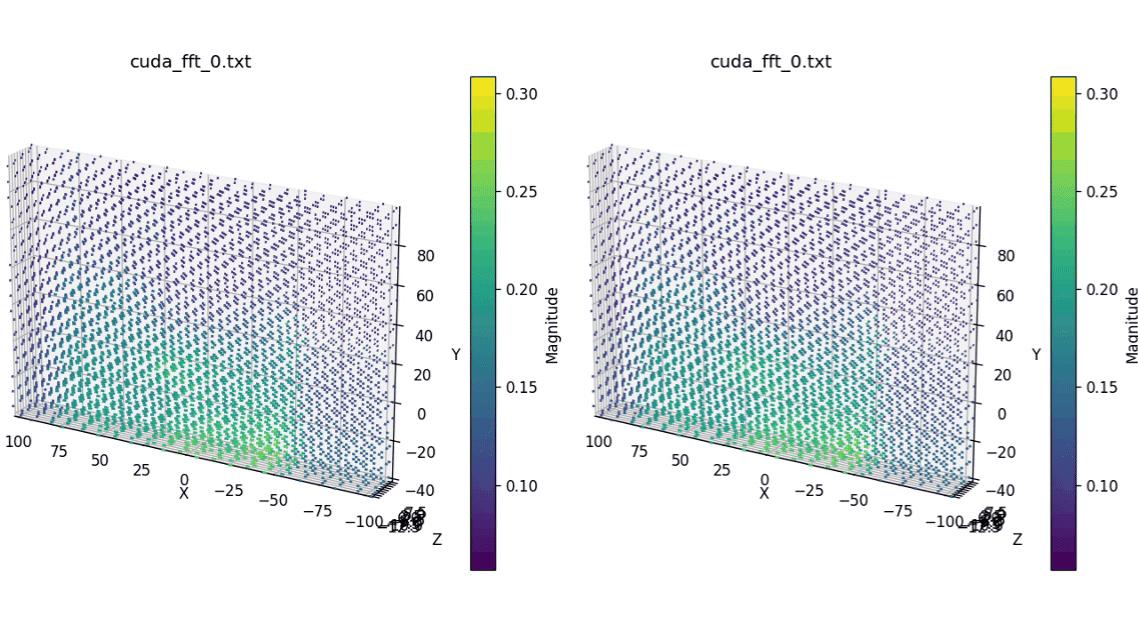
Under the condition of 966 interrogation windows, both single-GPU and multi-GPU systems can stably complete the full 3D3C PIV processing pipeline, including volumetric reconstruction, window cross-correlation, and velocity field solving.
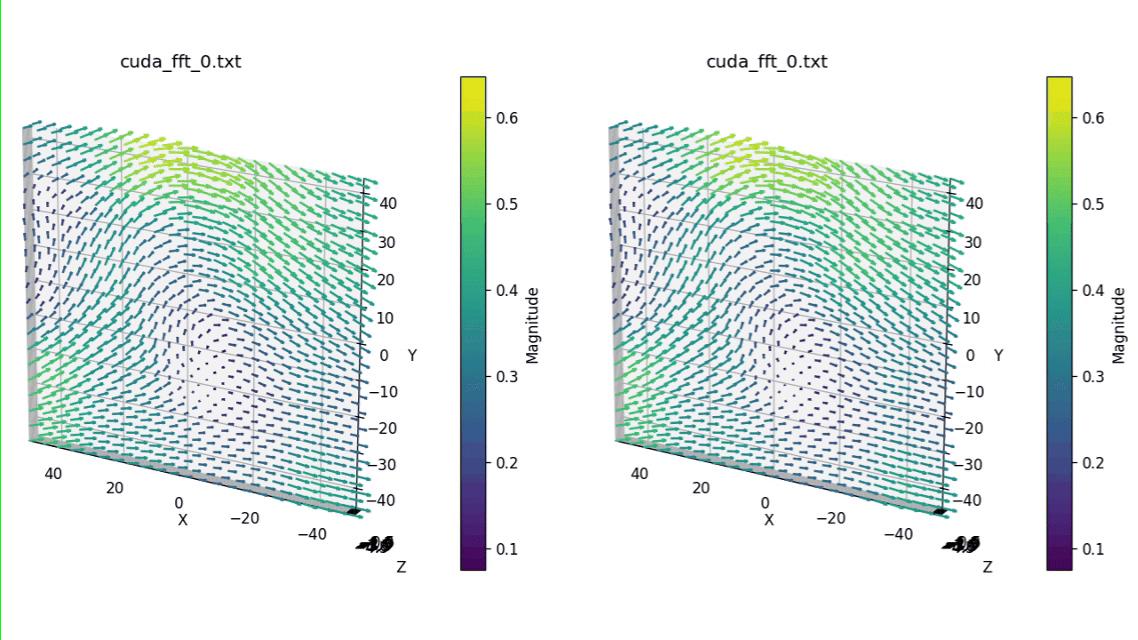
In terms of computational results and accuracy, the velocity fields produced by the two computational modes are identical in overall structure (left: single GPU, right: multi-GPU). No discernible differences are observed in correlation peak positions or subpixel fitting results, indicating that multi-GPU parallel scheduling does not introduce observable systematic reconstruction errors.
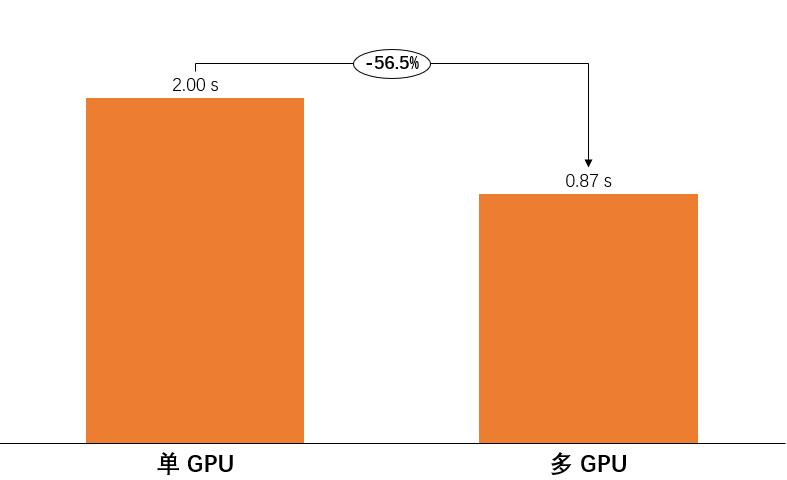
In terms of computational performance, the multi-GPU approach demonstrates a certain acceleration capability compared with the single GPU, reducing computation time by 56.5%.
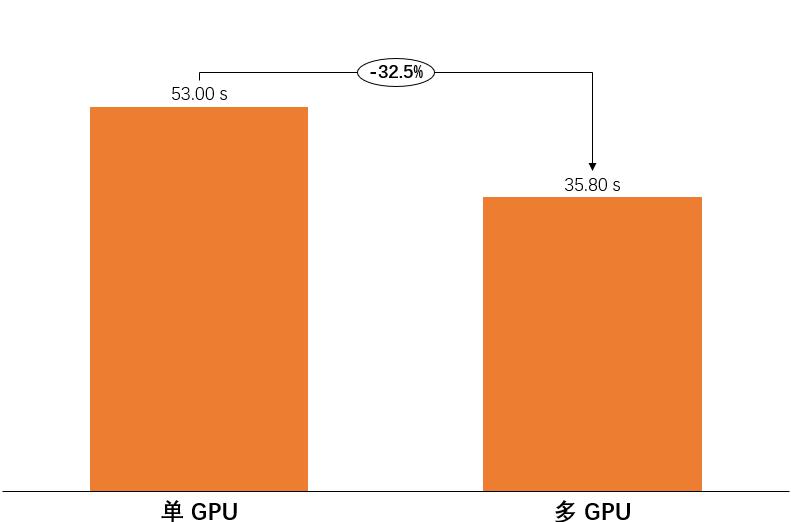
Under the condition of 35,568 interrogation windows, the computational load increases significantly, and the proportion of cross-correlation computation in total runtime further rises.
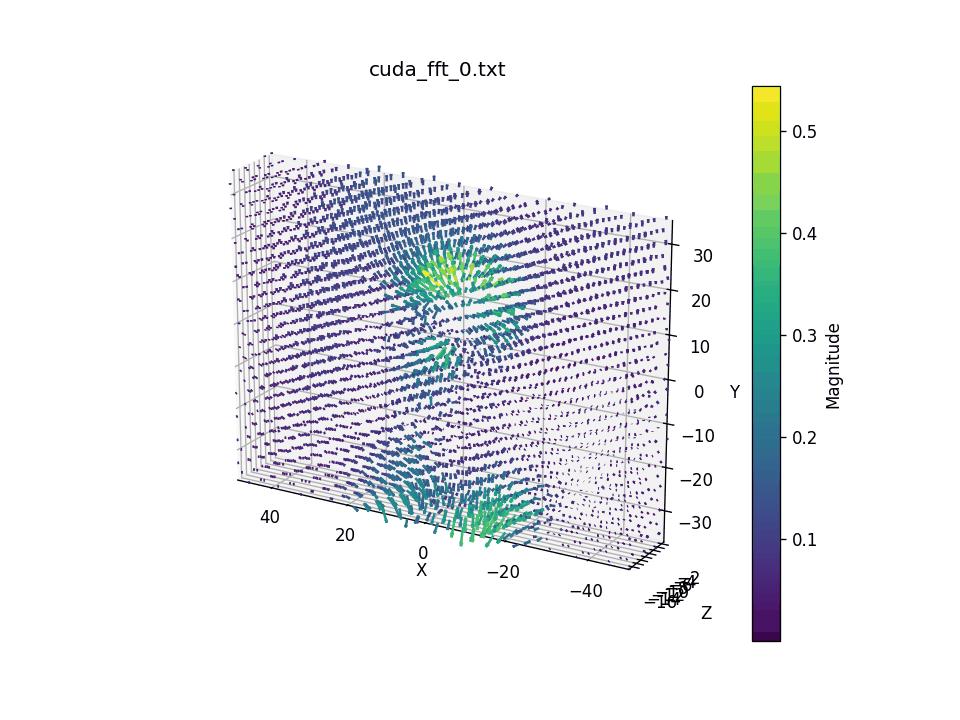
In terms of computational results and accuracy, the multi-GPU and single-GPU results remain strictly consistent. No identifiable deviation is observed in flow field structural characteristics (left: single GPU, right: multi-GPU), indicating good numerical consistency and stability in the partitioning and result stitching process.
In terms of computational performance, the multi-GPU architecture shows a relative advantage, reducing total computation time by approximately 32.5% compared with a single GPU. The improvement in efficiency mainly comes from the parallel distribution of cross-correlation tasks across multiple GPUs, effectively releasing computational throughput.
Under large-scale data conditions of 49,608 interrogation windows, the system enters a high-pressure region of memory and computational resources, placing higher demands on the scalability of the computational architecture.
In terms of computational results and accuracy, the multi-GPU system can still stably complete the full 3D flow field reconstruction pipeline. The single-GPU system, due to memory limitations, cannot complete the full computational workflow, resulting in computation interruption or task failure. In contrast, the multi-GPU architecture achieves a complete computational pipeline closure through memory sharing and task decomposition mechanisms, completing the full reconstruction task in approximately 106 seconds, thereby achieving a breakthrough over the single-GPU solution in terms of computational feasibility.
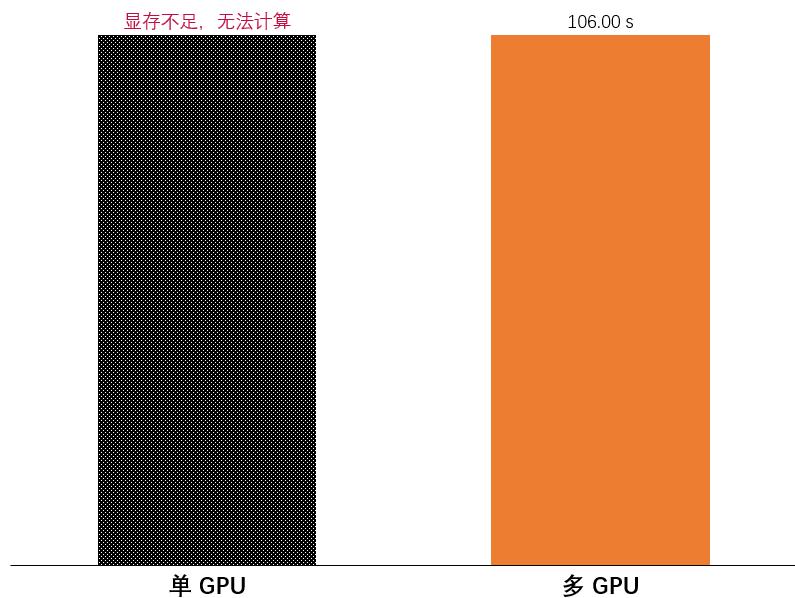
The comparative results across different flow field scales show that the multi-GPU approach mainly provides computational acceleration at small scales, significant performance advantages at medium scales, and, at large scales, enables a transition from “non-computable” to “computable.”
I. This study verifies the effectiveness of multi-GPU parallel architecture in large-scale 3D3C PIV flow field computation. Without changing the original cross-correlation algorithm or physical model, spatial partitioning and parallel scheduling can alleviate single-GPU memory bottlenecks and improve overall computational throughput.
II. From an engineering perspective, this method upgrades the 3D3C PIV computational system into a multi-GPU scalable architecture, providing a computational foundation for subsequent complex flow structure analysis and high-precision transient flow field reconstruction.
Overall, the Revealer multi-GPU technology is not only a performance optimization method, but also a key technological pathway enabling sustainable scalability of the 3D3C PIV computational system.
 English
 Deutsch