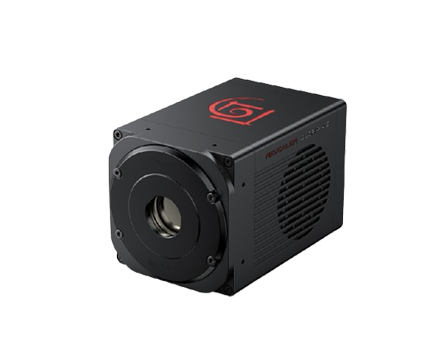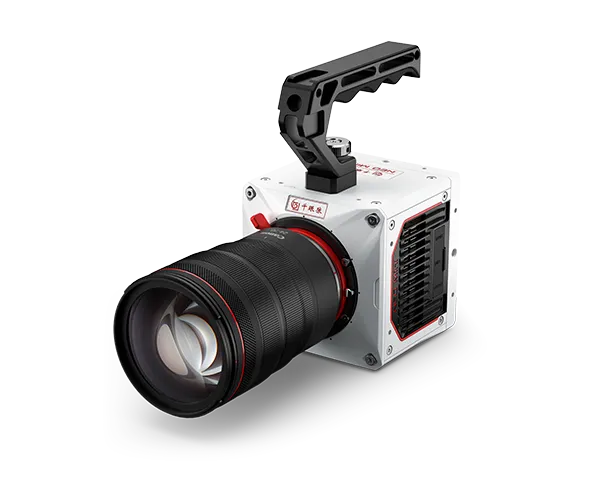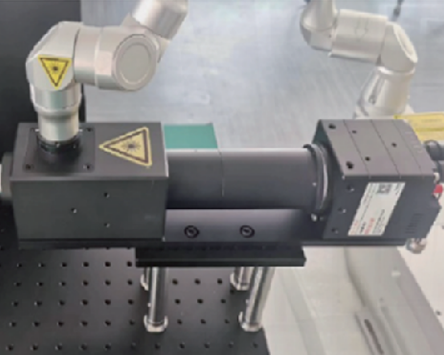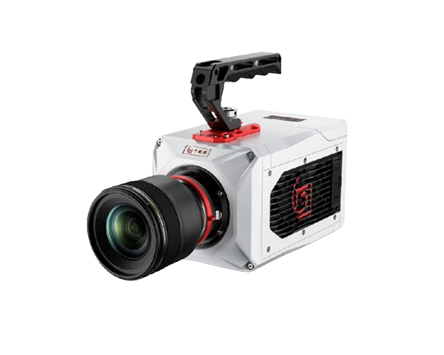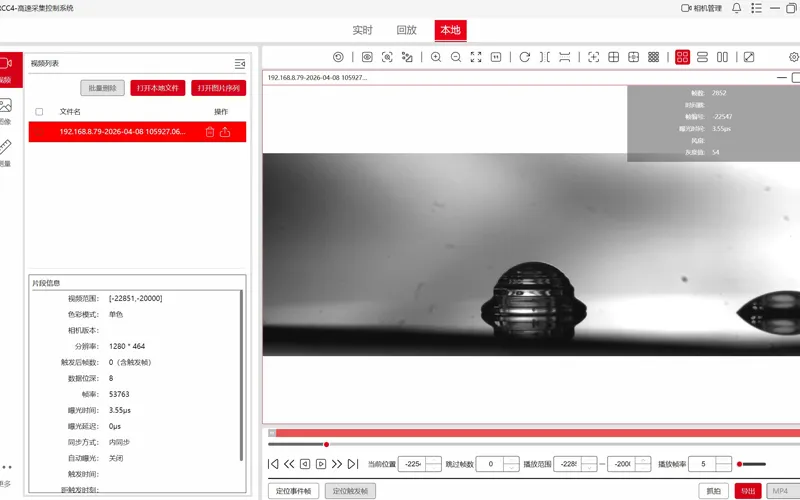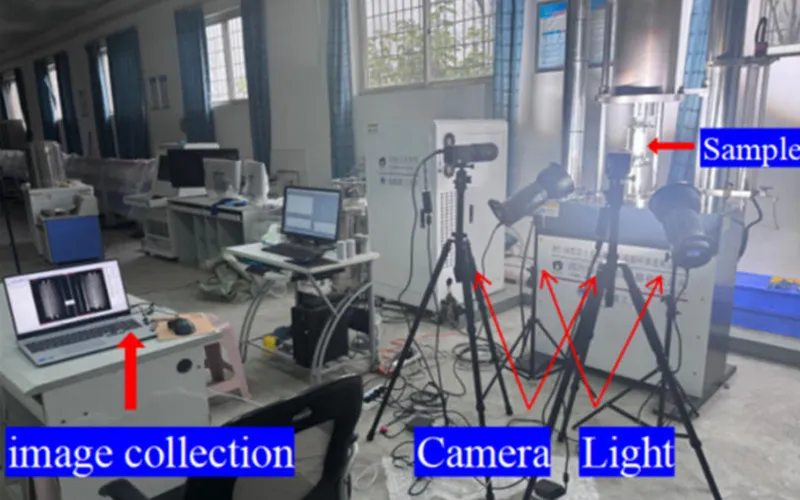
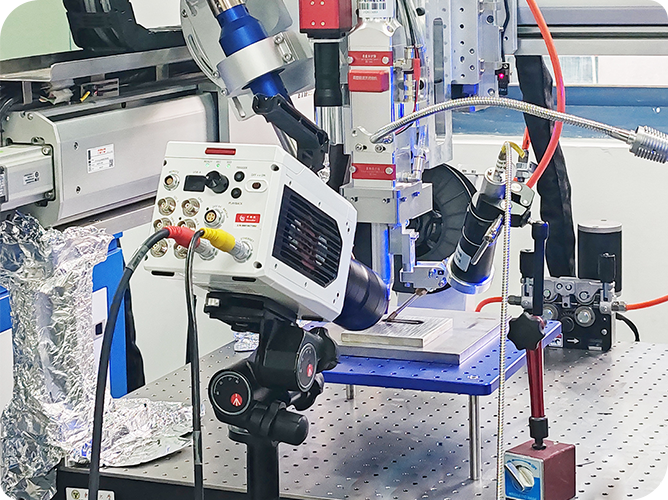
The continuous evolution of flame structures during methane–pulverized coal hybrid deflagration was captured using a Revealer high-speed camera (NEO 25), providing direct visualization of transient combustion dynamics.
Methane–pulverized coal hybrid deflagration represents a typical and highly hazardous scenario in underground coal mining. Its transient propagation behavior and gas–solid coupled reaction characteristics pose significant challenges to both mechanistic understanding and hazard mitigation.
Previous studies have primarily relied on pressure signals or post-explosion residue analysis to infer the deflagration process. However, such indirect approaches are insufficient to resolve key features, including flame structure evolution, propagation velocity, and front instability, thereby limiting in-depth understanding of the underlying mechanisms.
To address these limitations, a high-speed camera-based experimental platform was established by a research team at Chongqing University. By integrating synchronized pressure measurements with ReaxFF reactive molecular dynamics simulations, the study systematically investigates the hybrid deflagration behavior from both macroscopic and microscopic perspectives. In this framework, high-speed camera serves as a primary diagnostic tool, enabling the construction of a visualization-based evidence chain for deflagration processes.
2.1 Experimental System
A comprehensive experimental setup was developed, consisting of a transparent explosion tube, gas–powder mixing system, ignition module, pressure acquisition system, and a high-speed imaging system. A Revealer high-sensitivity high-speed camera (NEO 25) was employed to record the deflagration process continuously.
The camera operated at high temporal resolution (5000 fps in this study), and was synchronized with the pressure acquisition system, ensuring precise temporal correlation between flame evolution and pressure dynamics. This configuration enables direct observation of transient combustion structures and their coupling with pressure development.
2.2 Experimental Conditions
A total of 21 experimental conditions were designed by varying methane concentration (7, 9.5, and 11 vol%) and pulverized coal concentration (0–300 g/m³). The timing of powder dispersion and ignition was precisely controlled using a relay system to ensure repeatability and consistency of experimental data.
2.3 Microscopic Reaction Mechanism Simulation
To complement experimental observations, ReaxFF reactive molecular dynamics simulations were performed. A molecular model of methane–bituminous coal was constructed to investigate coal pyrolysis and gas-phase reaction pathways. This approach enables the linkage between macroscopic flame behavior and microscopic reaction mechanisms.
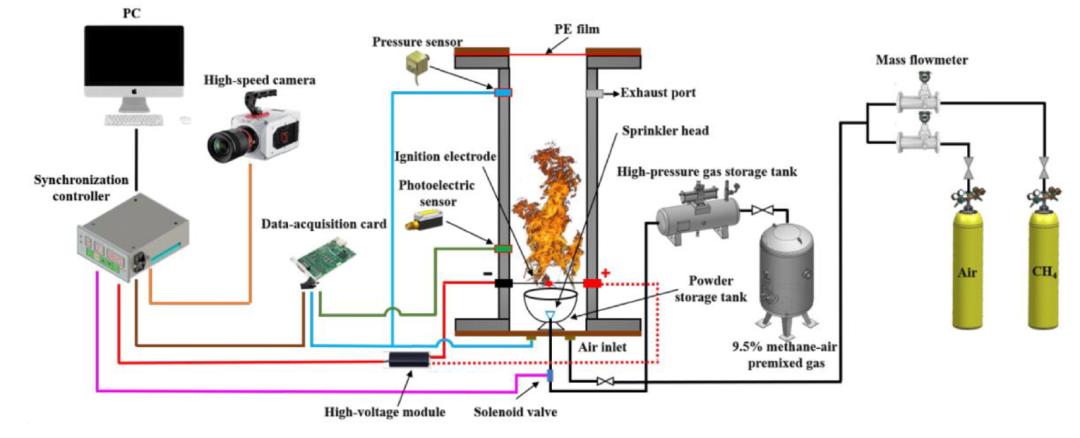
Fig.1 Schematic diagram of the experimental setup for methane–pulverized coal hybrid deflagration
3.1 Flame Structure Evolution Captured by High-Speed Camera
The flame evolution captured by the high-speed camera (Fig. 2) provides time-resolved visual evidence of methane–pulverized coal hybrid deflagration, enabling a transition from indirect inference based on pressure signals to direct observation of the combustion process.
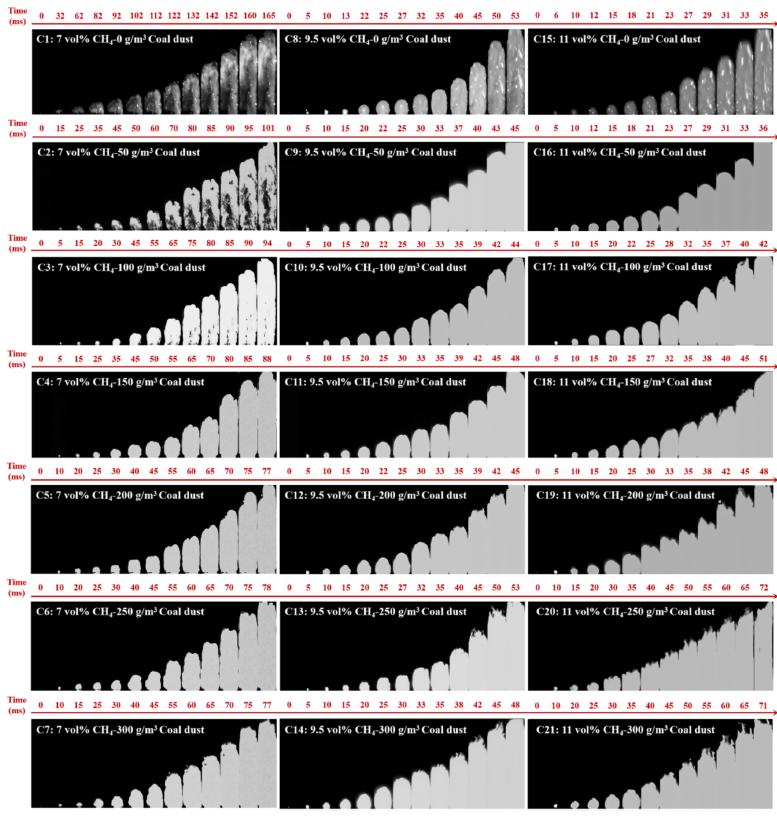
Fig. 2 Time-resolved flame evolution captured by a Revealer (NEO 25) high-speed camera under different methane and coal dust concentrations
The flame images cover multiple experimental conditions with varying methane and coal concentrations. Despite differences in flame luminosity, propagation velocity, and instability intensity, a consistent structural evolution pattern is observed. Based on cross-condition analysis, the deflagration process can be categorized into four distinct stages:
1)ignition and flame kernel formation
2)spherical flame expansion
3)finger-like flame development
4)flame front instability
These stages are consistently observed across all conditions, differing only in temporal scale and structural complexity.
To further elucidate the mechanism, a representative condition (9.5 vol% methane and 50 g/m³ coal dust) was selected, corresponding to the maximum flame propagation velocity. Under this condition, the flame initially exhibits a smooth spherical structure, indicating relatively uniform reaction. As propagation proceeds, the flame front elongates along the axial direction, forming finger-like structures, which suggests localized enhancement of reaction rates.
When the flame reaches approximately one-third of the tube height, pronounced flame front instability emerges, characterized by wrinkling, bifurcation, and localized protrusions. This transition marks the onset of turbulence-enhanced deflagration.
Mechanistically, this instability is closely associated with coal pyrolysis. At elevated temperatures, coal particles release volatile species and active radicals, which enter the gas phase and intensify chain reactions. Meanwhile, the spatially heterogeneous release of volatiles induces gradients in reaction rate and temperature, triggering hydrodynamic and thermo-diffusive instabilities at the flame front.
Therefore, Fig. 2 not only reveals the staged evolution of flame structures but also establishes a direct link between macroscopic flame behavior and microscopic reaction processes, demonstrating that high-speed camera is essential for mechanistic analysis of hybrid deflagration.
3.2 Quantification of Flame Propagation Using High-Speed Camera
Based on the image sequences acquired by the Revealer high-speed camera, flame height and propagation velocity were extracted through image processing (Fig. 3), and the maximum flame speed and its occurrence time were determined (Fig. 4).
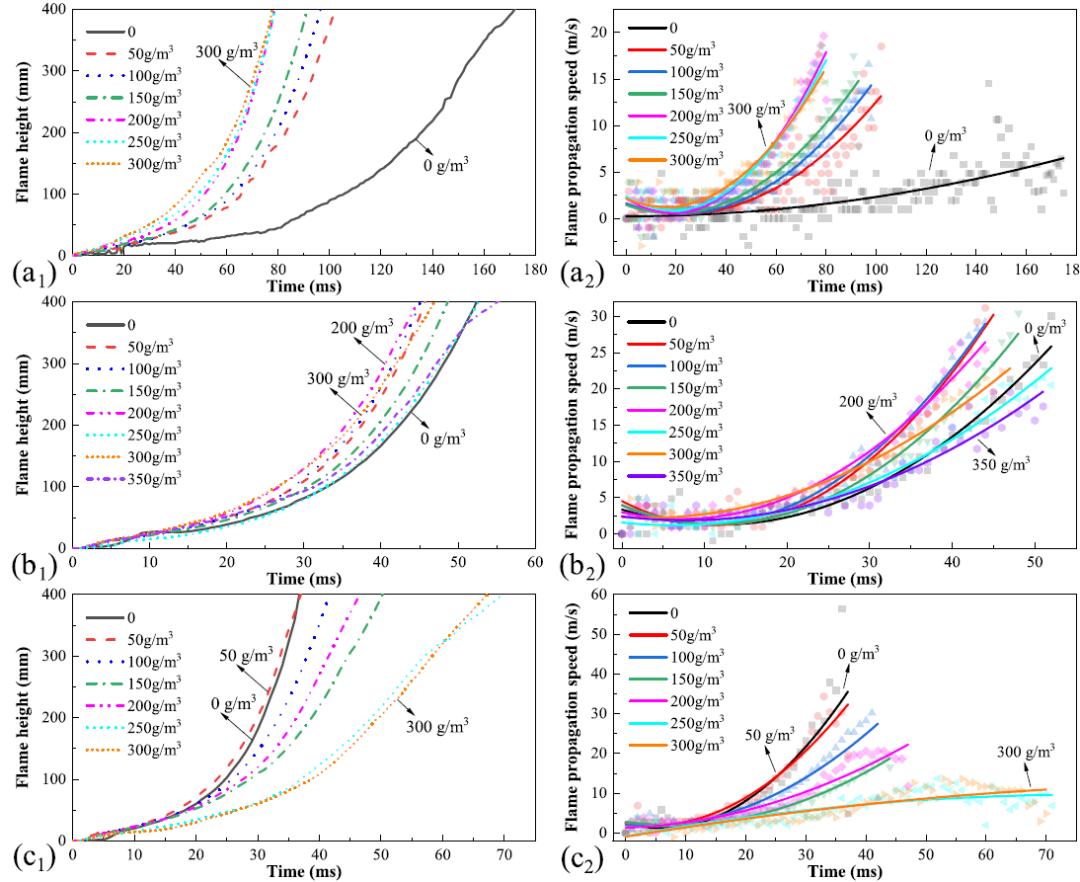
Fig. 3 Temporal evolution of flame height (left) and flame propagation velocity (right) under different experimental conditions
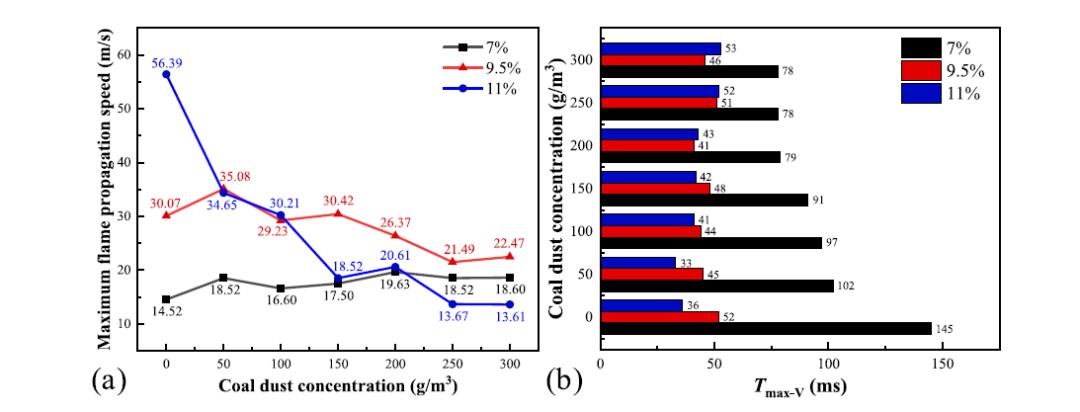
Fig. 4 Peak flame propagation velocity (left) and the corresponding time to peak (right) under different experimental conditions
The results indicate that flame propagation velocity increases significantly with methane concentration, reaching a maximum at 9.5 vol%. Specifically, the peak flame speed of 35.08 m/s is achieved under the condition of 9.5 vol% methane and 50 g/m³ coal concentration.
It is important to emphasize that these parameters are obtained directly from time-resolved imaging data, rather than inferred from pressure signals, which significantly improves measurement accuracy and reliability.
The precise quantification of flame propagation further highlights the critical role of high-speed camera in explosion dynamics research, particularly in coal mining safety applications.
3.3 Pressure Evolution Characteristics
The pressure evolution under different conditions is shown in Fig. 5. The maximum explosion pressure exhibits a non-monotonic trend with methane concentration, peaking at 9.5 vol%.
This trend is consistent with the enhanced flame propagation behavior observed in high-speed camera indicating that this concentration corresponds to optimal combustion conditions.
The addition of pulverized coal exhibits a dual effect: it promotes combustion at lower methane concentrations by releasing volatiles, while at higher methane concentrations it suppresses combustion due to oxygen competition.
Overall, methane concentration has a more significant influence on deflagration characteristics than coal concentration, confirming that gas-phase reactions dominate the hybrid deflagration process. This conclusion is consistent with the flame behavior revealed by high-speed camera.
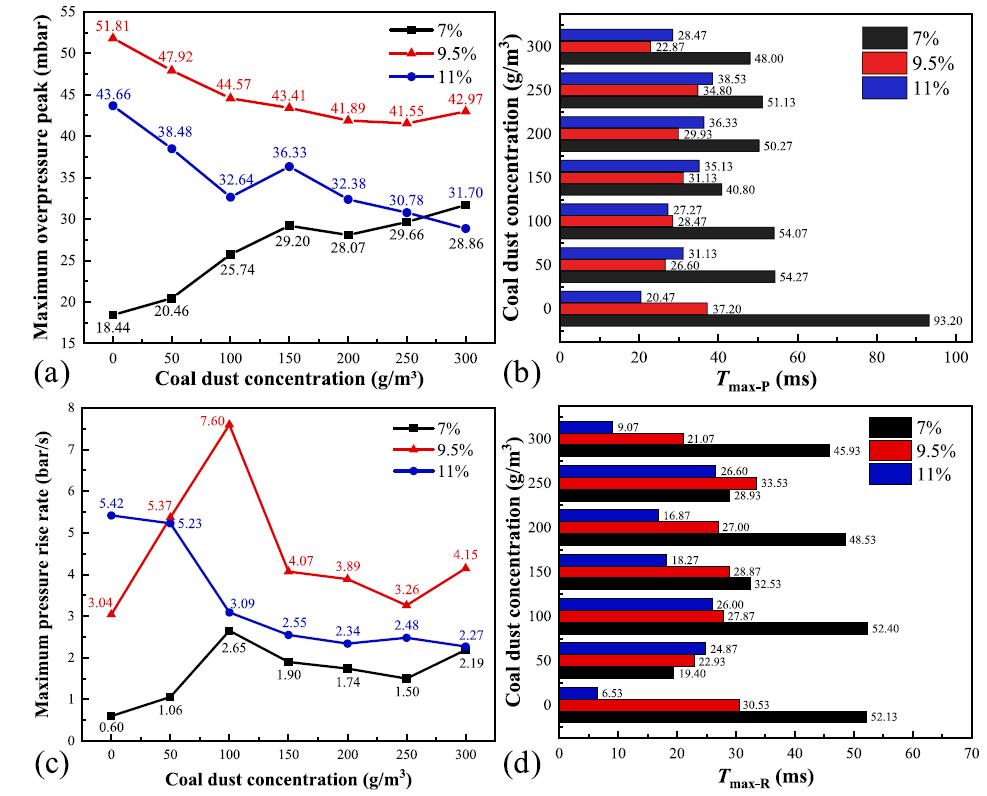
Fig. 5 Pressure evolution during methane–pulverized coal hybrid deflagration under varying methane and coal concentrations
This study systematically investigates the propagation behavior and disaster mechanisms of methane–pulverized coal hybrid deflagration through integrated high-speed imaging and multi-parameter analysis.
(1) High-speed camera enables direct visualization of flame structure evolution, revealing a multi-stage propagation process from spherical expansion to finger-like development and ultimately flame front instability, thereby establishing a visual evidence chain for deflagration.
(2) The maximum flame propagation velocity occurs at 9.5 vol% methane, reaching 35.08 m/s under the condition of 9.5 vol% methane and 50 g/m³ coal concentration.
(3) The pressure evolution is consistent with flame propagation behavior, and methane concentration plays a dominant role compared to coal concentration, indicating gas-phase controlled deflagration.
(4) High-speed camera is not only a diagnostic tool but also a critical method for accurate measurement of flame propagation parameters and mechanistic interpretation of hybrid deflagration. Its integration into safety engineering systems is essential for improving hazard prediction and explosion prevention strategies.
 English
 Deutsch