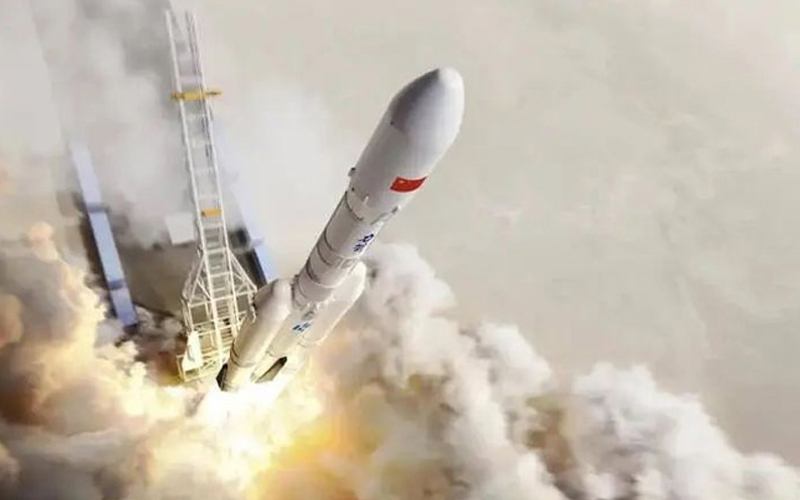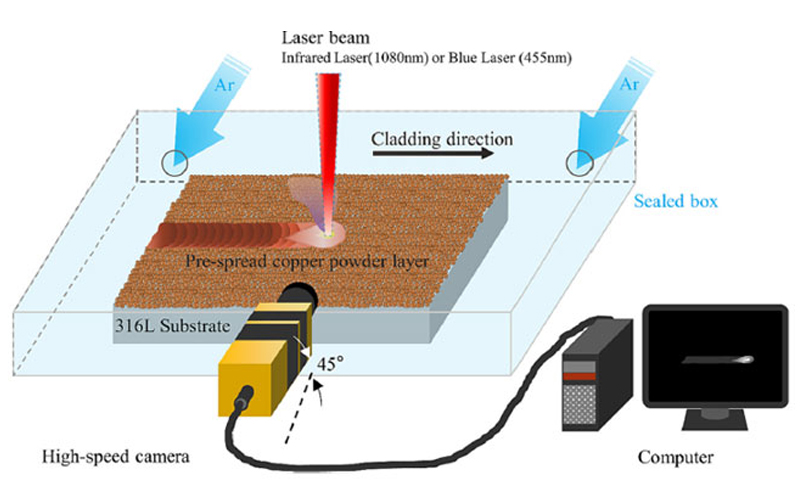
The core of high-speed camera selection is not simply choosing the highest resolution or the highest frame rate, but matching the temporal and spatial sampling capabilities of a high-speed camera to the physical characteristics of the observed phenomenon.
Different application scenarios impose fundamentally different requirements on a high-speed camera:
Time-dominant scenarios require higher frame rates and shorter exposure times to suppress motion blur and improve temporal resolution.
Spatiotemporal-balanced scenarios require both sufficient frame rate and spatial resolution to support measurements such as DIC, modal analysis, and trajectory reconstruction.
Spatial-dominant scenarios require higher resolution and larger fields of view to preserve object details, boundaries, and measurement textures.
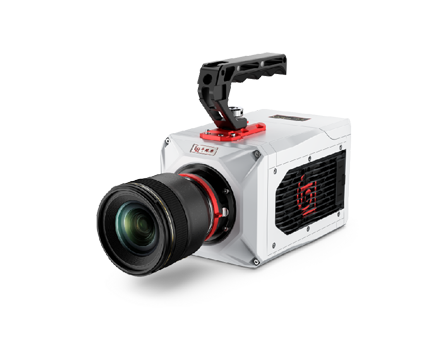
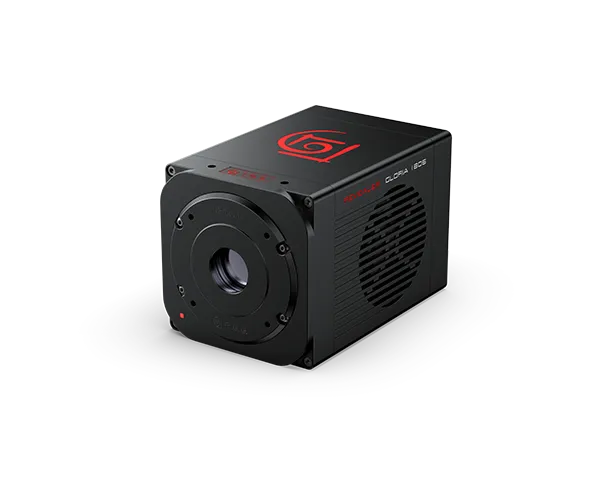
This paper analyzes typical applications across scientific research, industrial, defense, and civil fields, including combustion, material mechanics, fluid dynamics, aerospace testing, automotive crash testing, and semiconductor inspection. It provides objective and practical guidance for high-speed camera resolution and frame rate selection, based on the Revealer high-speed camera product portfolio.
A high-speed camera fundamentally converts extremely fast physical processes into observable and analyzable image sequences.
Frame rate determines temporal sampling density — how finely a transient process is divided in time.
Resolution determines spatial sampling density — whether object features, boundaries, speckle patterns, and particles are captured with sufficient detail.
If the frame rate is insufficient, large motion gaps occur between frames.
If exposure time is too long, motion blur appears within a single frame.
If resolution is insufficient, the recorded images cannot support reliable tracking, identification, or measurement.
Therefore, the optimal high-speed camera resolution and frame rate combination is not determined by a single parameter, but by:
Object velocity
Feature size
Field of view
Illumination conditions
Measurement objectives
For example, in aero-engine blade observation:
Full-field modal analysis requires high-resolution high-speed cameras
Crack initiation under impact requires high-frame-rate high-speed cameras
Based on this, high-speed camera applications can be categorized into three core types:
Time-dominant applications (ultra-fast microsecond events)
Spatiotemporal-balanced applications (measurement-driven)
Spatial-dominant applications (large field-of-view scenarios)
2.1 Combustion and Explosion Recommended: 1.3 MP @ ≥20,000 fps high-speed camera
Combustion, explosion, and even deflagration processes are typically accompanied by the rapid propagation of flame fronts, drastic variations in reaction zone structures, and shock wave coupling phenomena. The temporal scale of such phenomena is usually on the order of microseconds. Insufficient temporal resolution leads to excessive propagation distances of flame fronts between consecutive frames, rendering features such as detonation wavefronts and flame wrinkles unable to be resolved continuously. Furthermore, when the exposure time is not sufficiently short, the boundaries of high-brightness regions in single-frame images become blurred due to motion smearing.
Therefore, high-speed cameras with over 1.3 megapixels @ 20,000 fps are generally preferred for studies on combustion and explosion. The NEO series in Revealer product lineup can achieve frame rates of 20,000 fps and 25,000 fps at a resolution of 1280 × 1024, with a minimum exposure time of 150 ns and a high quantum efficiency of 85%, making it more suitable for characterizing combustion and deflagration processes.
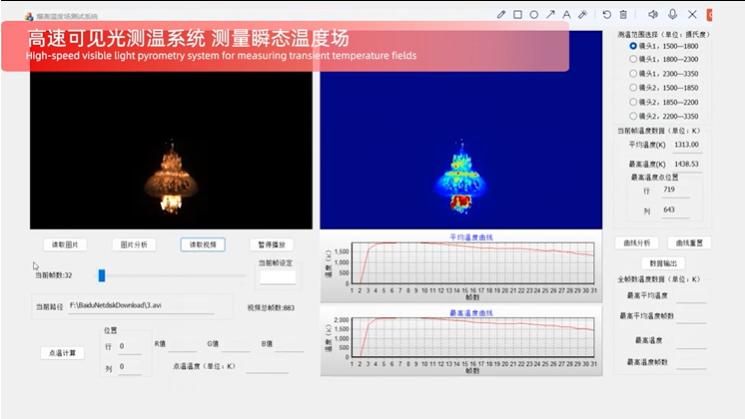
Figure 1 Visible Light Temperature Measurement of Explosion Temperature Field – Captured with NEO 25 at 1280×1024@25,000 fps
2.2 Bubble Dynamics Two distinct high-speed camera selection strategies
Single-bubble dynamics → Time-dominant,1.3 MP @ 25,000 fps (NEO25)
Bubble cluster analysis → Spatial-dominant,5 MP @ 3600 fps or 4K @ 2000 fps (G Pro / G Mini)
For research objectives involving microscale processes such as bubble growth, collapse, interface oscillation, and cavitation, which occur at microsecond time scales, a high-speed camera with 1.3 megapixels and 25,000 fps should be prioritized to ensure sufficient temporal resolution for single-bubble evolution. The Revealer NEO25 high-speed camera represents a suitable configuration.
If the research task involves morphological statistics, trajectory tracking, and interaction analysis of multiple bubble clouds in two dimensional or three dimensional space, the requirements for high-speed cameras shift toward field-of-view coverage and spatial resolution. The G Pro/G Mini series in the Revealer high-speed camera product portfolio are more suitable for such applications. With capabilities of 5 megapixels @ 3600 fps or 4K @ 2000 fps, these cameras maintain more effective pixels within a large field of view, enabling simultaneous observation of multiple bubbles, particles, and targets.
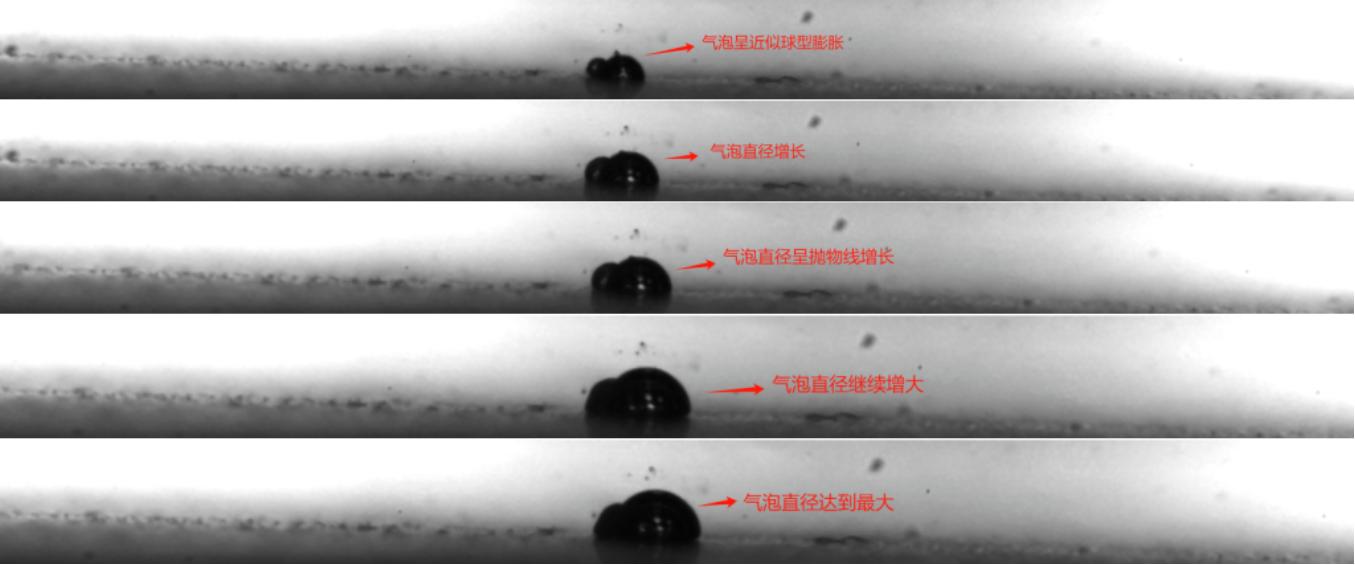
Figure 2 Laser-Induced Cavitation Bubbles – Captured with NEO 25 at 200,000 fps under ROI mode
2.3 Material Mechanics / Hopkinson Bar / Rock Mechanics
Recommended: 1.3 MP @ 5,000–15,000 fps
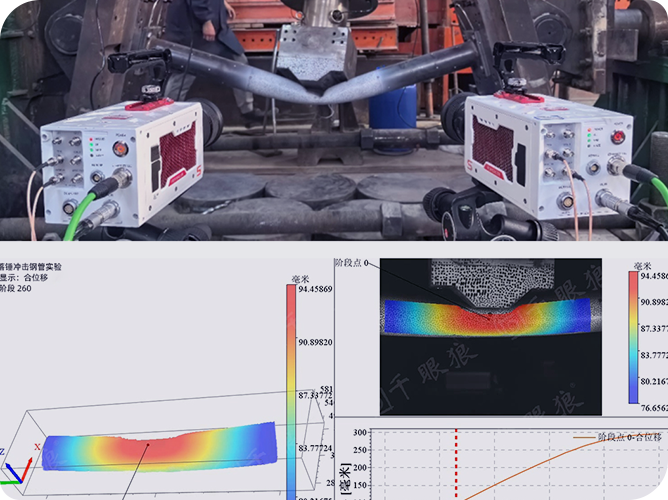
In dynamic mechanical testing of materials, the failure moment is the primary concern, which requires high frame rates to resolve transient processes. Meanwhile, the test also focuses on the entire process of loading, deformation, fracture and rebound, calling for moderate resolution and long recording duration.
The Revealer S-series high-speed camera, featuring 1.3 MP @ 5000–15000 fps equipped with large-capacity storage, meets the temporal resolution requirements for most material dynamic tests and covers the complete test procedure.
For further digital image correlation (DIC) analysis, the 1.3 MP level can also provide sufficient speckle resolution within a medium field of view. For faster measured objects, the NEO series with 1.3 MP @ above 20000 fps can serve as a supplementary option.
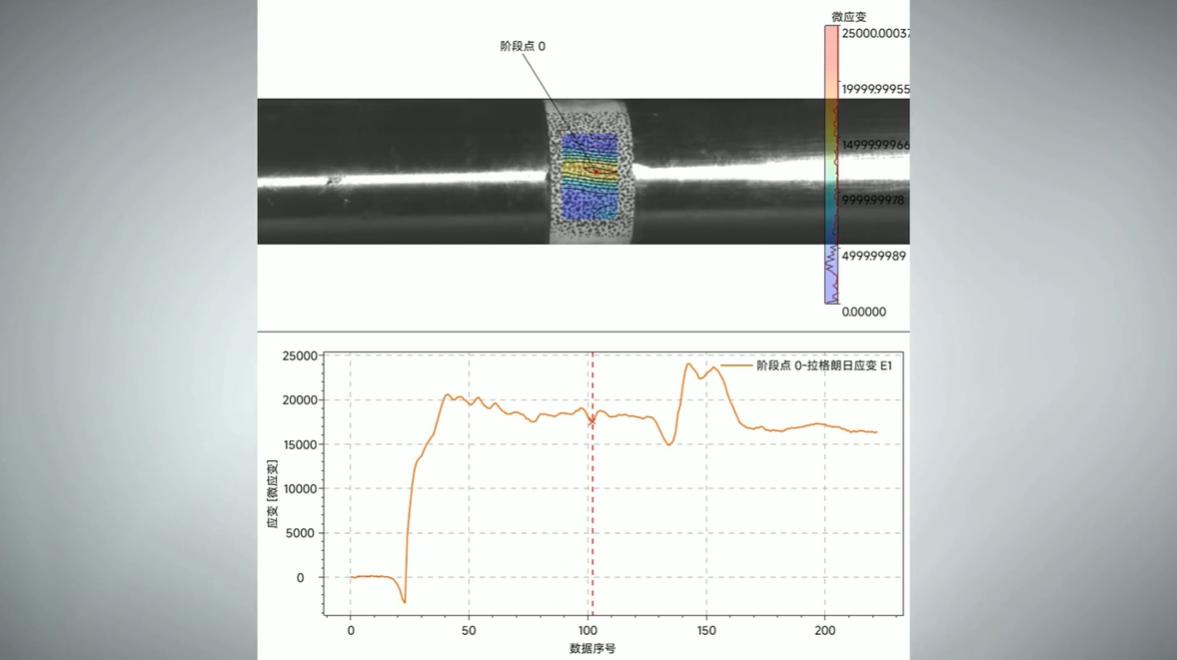
Figure 3 Strain Analysis of Hopkinson Pressure Bar – Captured with NEO 25 at 100,000 fps under ROI mode
2.4 Fluid Dynamics / PIV / Flame Fields
For PIV and large field-of-view measurements, resolution is more critical than extreme frame rate.
PIV and large-field flow visualization do not rely solely on higher frame rates; instead, they depend more on maintaining sufficiently high particle density and spatial detail within an adequately large field of view.
Configurations of 4K @ 2000 fps or 5 MP @ 3600 fps generally support flow-field vector calculation better than 1.3 MP @ 20000 fps. The latter, in fact, reduces the number of particle windows available for correlation computation per unit field of view, which is detrimental to velocity field reconstruction.
The higher temporal-resolution NEO series is recommended only when the research targets small-scale dynamic processes such as high-speed local jets, shear layers, and flame fronts.
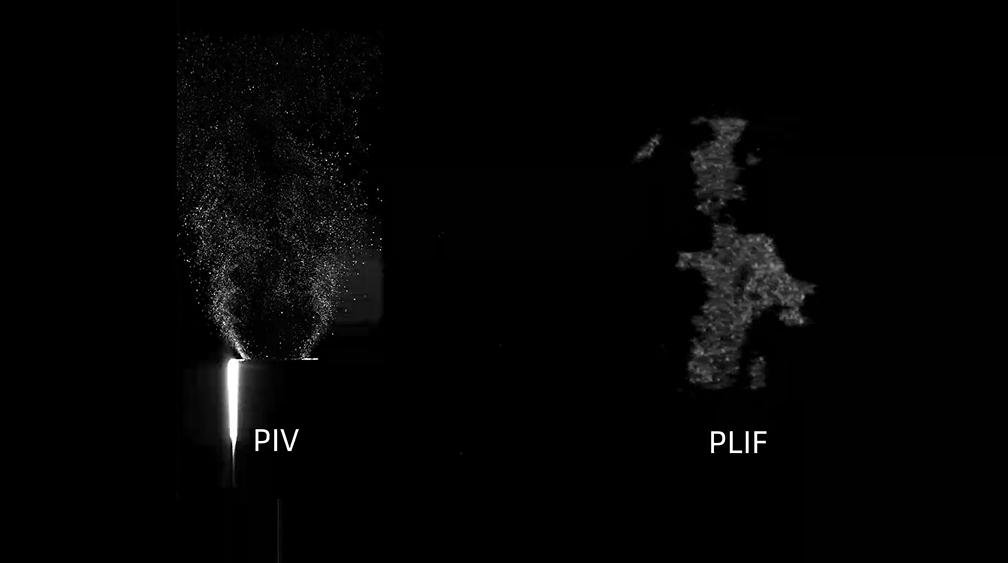
Figure 4 Combustion Flame Field – Captured with S1315 at 1280×1024 @ 10,000 fps
3.1 Aero-Engine Blades Recommended: 1.3 MP @ 25,000 fps
Aerospace engine blade testing is characterized by high rotational speeds, high sensitivity requirements, and specific measurement features. High-speed rotation of blades raises the demand for temporal sampling, while complex light reflections and limited supplementary illumination necessitate high sensitivity in high-speed cameras. Meanwhile, strain, displacement, and modal analysis require a certain level of spatial resolution in the captured images.
The NEO 25, featuring 1.3 megapixels @ 25,000 fps and an 85% quantum efficiency, serves as the most suitable experimental observation platform for dynamic measurements of high-speed rotating structures such as aeroengine blades.
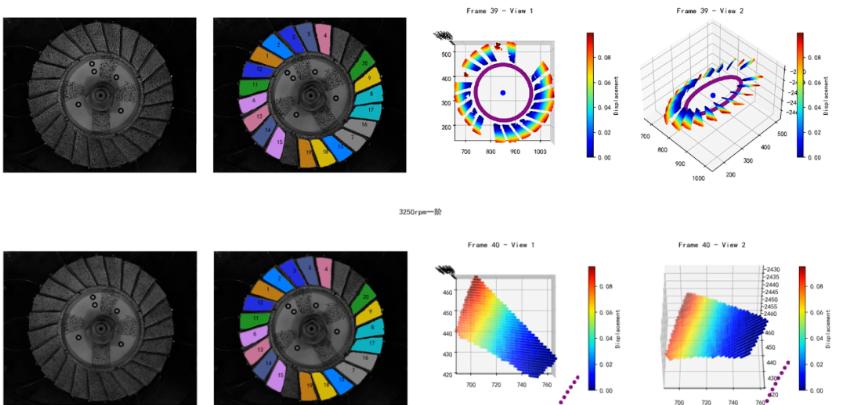
Figure 5 Vibration Modes of Aeroengine Blades – Captured with NEO 25 at 1280×1024 @ 25,000 fps
3.2 Large Field-of-View Target Tracking Recommended: 5 MP @ 3600 fps or 4K @ 2000 fps
The core contradiction in rigid-body target tracking within a large field of view is that measured targets are usually distant, cover a large field of view, and occupy a low proportion of pixels. Insufficient resolution will restrict subsequent target recognition, boundary extraction, angle measurement, and trajectory fitting.
Therefore, such tasks preferentially recommend the G Pro/G Mini series with 5 MP @ 3600 fps or 4K @ 2000 fps. Their high resolution helps maintain a sufficiently high target pixel proportion in a large field of view, and a temporal resolution of approximately 2000 fps is practically viable for most long-distance rigid-body target tracking.
Simply increasing the frame rate to compensate for high resolution will instead weaken measurement and recognition accuracy due to the excessively small pixel area occupied by the targets.
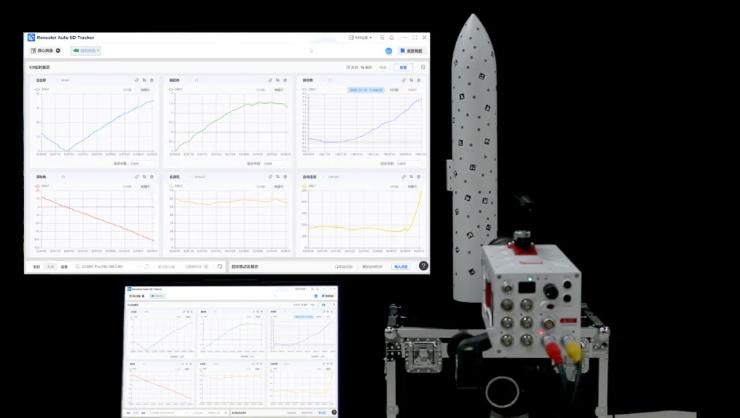
Figure 6 6DoF Measurement – Captured with G536_Pro at 2560×2016 @ 3,600 fps
4.1 Automotive Crash Testing (Non-Onboard) Recommended: 4K @ 2000 fps high-speed camera
Automotive collision events typically occur on a millisecond time scale. A frame rate of 2000 fps provides a temporal resolution of approximately 0.5 ms, which can meet the requirements for resolving most collision processes.
Off-board high-speed cameras are not merely used to record “whether deformation occurs”, but to capture the overall deformation path of the vehicle body structure, reconstruct the spatial motion trajectory of the dummy (or occupant model), and observe spatial structural analysis information such as airbag deployment morphology. The G Pro/G Mini series high-speed cameras with 4K @ 2000 fps can significantly improve analysis accuracy, allowing parameters such as seat angle variation and airbag deployment profile to be calculated from sequential images. Insufficient resolution will lead to a substantial increase in measurement errors of displacement, angle, and deformation.
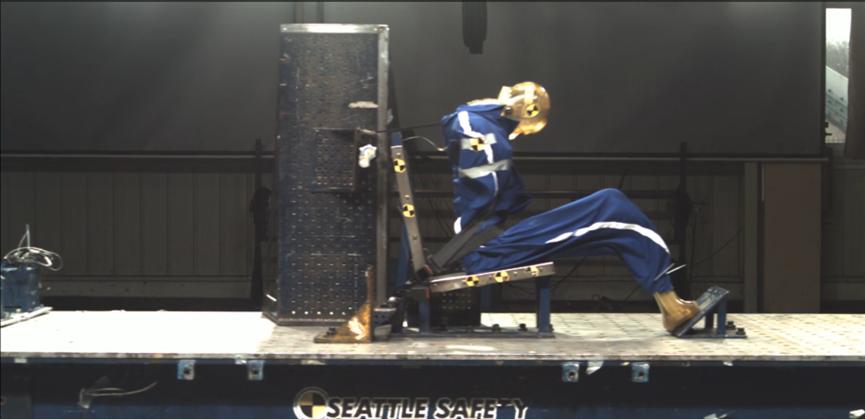
Figure 7 Dummy Collision – Captured with G536_Pro at 2560×2016 @ 3,600 fps
4.2 Semiconductor Packaging Recommended: 2 MP @ ~3000 fps compact high-speed camera
Semiconductor packaging and testing applications are characterized by limited space, fixed production cycles, and complex workstations. Users need to observe processes including handling, packaging, picking, and bonding, which mostly occur on a millisecond time scale; thus, temporal resolution is not the primary concern.
Moreover, higher-resolution platforms are not prioritized in semiconductor packaging and testing scenarios, as the emphasis is placed on whether high-speed cameras can access workstations and operate in coordination with on-site equipment.
Therefore, the compact high-speed camera M Pro, which offers a balanced resolution and frame rate, is the preferred choice. It features a capture rate of 2 megapixels @ 3000 fps, a compact size of 75×75×90 mm, a weight of 800 g, and high environmental adaptability, making it suitable for embedded deployment.
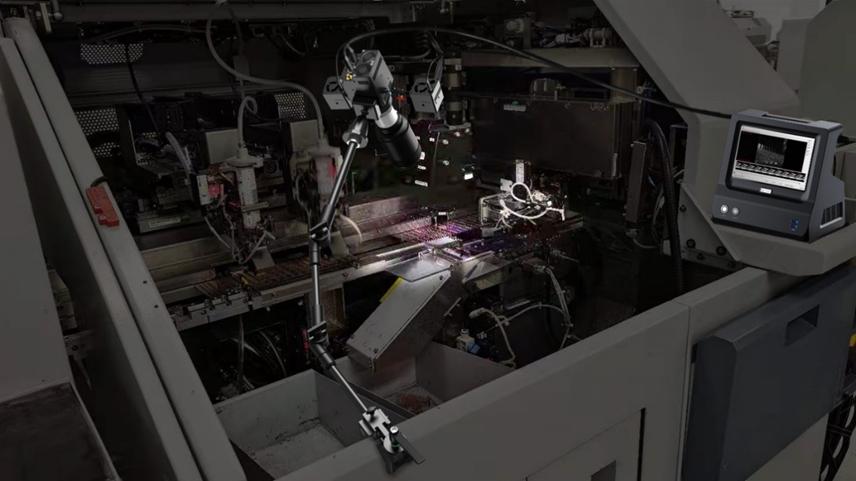
Figure 8 Solder Paste Welding – Captured with M Pro at 1920×1080 @ 3,000 fps
4.3 Welding
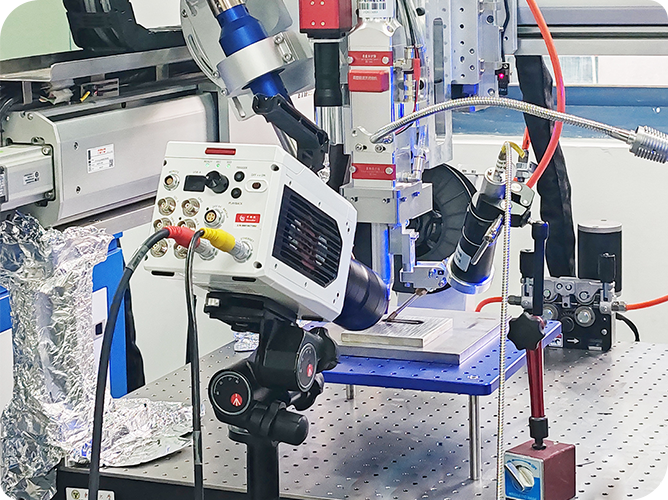
Welding process monitoring focuses on process monitoring, weld formation observation, mechanical motion synchronization analysis, or fault traceability. The requirements emphasize process cycle and overall behavior, which can be met by the S series at 1.3 MP @ 5000 fps and the M Pro series at 2 MP @ 3000 fps (especially under space-constrained conditions).
If the research objectives include molten pool boundary details, micro spatter, plume evolution, droplet transfer mode, or local formation mechanism, further differentiation is required. For processes with faster transients, the NEO series with 1.3 MP @ above 20000 fps is recommended. For spatial details and local geometric features, the G Pro/G Mini series with 4K @ 2000 fps or 5 MP @ 3600 fps is preferred.
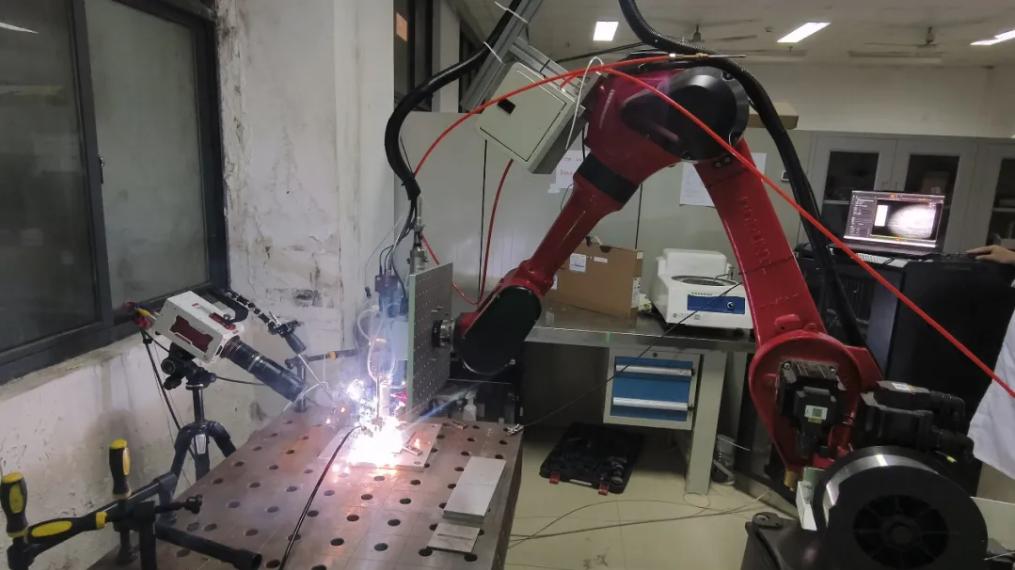
Figure 9 Droplet Transfer in Pulsed Welding of Aluminum Alloy – Captured with S1315 at 1280×1024 @ 15,000 fps
4.4 Consumer Electronics Drop Testing Recommended: 1080P @ 2000–3000 fps
Electronics drop testing focuses on structural response at the moment of impact, housing deformation, component detachment, and failure mechanisms under repeated drops.
Drop velocity is generally moderate to high rather than involving microsecond-scale transients. Therefore, frame rates of 2000–3000 fps can clearly resolve processes such as impact, rebound, and cracking of the test specimen, while 1920×1080 resolution preserves sufficient structural boundary information.
If the requirement extends to local strain analysis or microstructural failure under high-speed impact, the S series with 1.3 MP @ 10,000 fps and above is the preferred option.
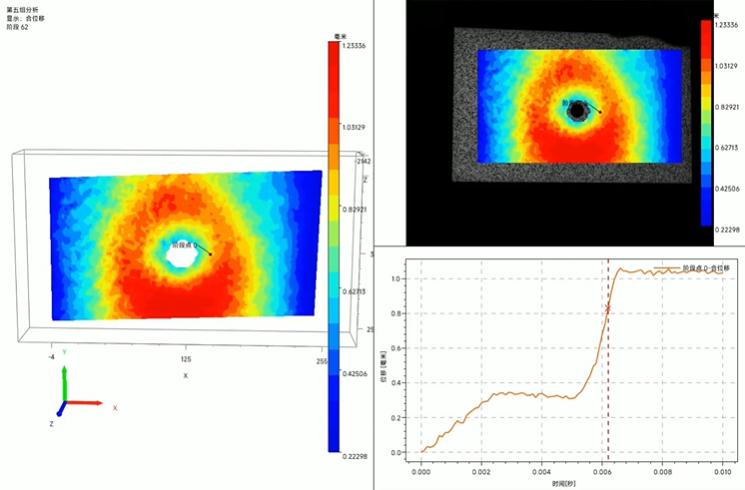
Figure 10 Deformation Mechanism Analysis of Computer Screen Drop – Captured with two S1315 units at 1280×1024 @ 15,000 fps
For film and television entertainment, advertising creativity, high-speed motion performance, and high-quality slow-motion content production, the primary goal is usually not physical quantity measurement, but rather image quality, detail retention, color performance, and post-production flexibility.
The G Mini/G Pro series features broadcast-grade optimized color rendition and 4K/5K high-speed recording capabilities, with typical specifications including 4096×2048 @ 2000 fps and 5120×4096 @ 1000 fps.
For film and television entertainment applications, temporal sampling of over 1000 frames can already satisfy most slow-motion presentations. Its distinctive high-resolution characteristics help enhance image detail, post-production potential, and high-quality content output capabilities.
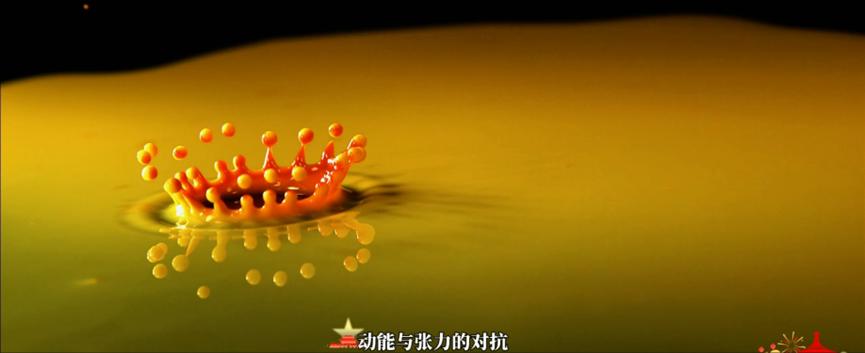
Figure 11 Colored Milk Crown – Captured with G2110_Pro at 5120×4096 @ 1,000 fps
Application Field | Typical Scenario | Primary Requirement | Recommended Resolution @ Frame Rate | Recommended Series | Recommendation Description |
Scientific Research | Combustion / Explosion / Deflagration | Time-dominant | 1.3MP @ ≥20,000 fps | NEO | Extremely fast process, priority to high frame rate and short exposure |
Scientific Research | Discharge / Arc / Plasma | Time-dominant | 1.3MP @ ≥20,000 fps | NEO | Fast channel evolution, high brightness |
Scientific Research | Bubble Collapse / Microscale Interface | Time-dominant | 1.3MP @ 25,000 fps | NEO 25 | High-speed evolution of single bubble |
Scientific Research | Hopkinson Pressure Bar / High-speed Impact | Space-time balanced | 1.3MP @ 5,000–15,000 fps | S | Balances process recording and DIC analysis |
Scientific Research | Rock Mechanics / Crack Propagation | Space-time balanced | 1.3MP @ 5,000–15,000 fps | S | Balances speed and spatial texture |
Scientific Research | PIV Flow Field / Spray Flow Field | Space-dominant | 5MP @ 3,600 fps or 4K @ 2,000 fps | G Pro / G Mini | Large field of view and particle density are more critical |
Industrial | Semiconductor Packaging Test / Equipment Motion | On-site constrained | 1080P @ 2,000–3,000 fps | M Pro | Narrow space, emphasis on integrated deployment |
Industrial | Welding Process Monitoring | Space-time balanced | 1.3MP @ ≥5,000 fps | S | Process monitoring and retrospective analysis |
Industrial | Welding Molten Pool Details | Time or Space-dominant | 1.3MP @ ≥20,000 fps or 4K @ 2,000 fps | NEO / G Pro | Depends on speed dominance or detail dominance |
Industrial | 3C Electronic Product Drop Test | On-site constrained | 1080P @ 2,000–3,000 fps | M Pro | Medium-high speed process, space-constrained |
Industrial | Automotive Crash (Non-vehicle-mounted) | Space-dominant | 4K @ 2,000 fps | G Pro / G Mini | Large field of view structural deformation and trajectory analysis |
National Defense Sci-Tech Industry | Aero-engine Blades | Time-dominant | 1.3MP @ 10,000–25,000 fps | NEO | High-speed rotation and dynamic measurement |
National Defense Sci-Tech Industry | Large Field of View Target Tracking | Space-dominant | 5MP @ 3,600 fps or 4K @ 2,000 fps | G Pro / G Mini | Pixel ratio of long-distance targets |
Civilian | Film Slow Motion / Advertising Creativity | Space-dominant | 4K @ 1,000–2,000 fps or 5K @ 1,000 fps | G Pro / G Mini | Image quality, post-processing and output quality are priority |
The goal of high-speed camera selection is not to choose the highest specification, but to achieve optimal information matching:
Temporal sampling must capture the full dynamic process
Spatial sampling must preserve measurable details
The system must function reliably in real-world environments
Different high-speed camera series correspond to different needs:
NEO → ultra-high-speed events
S → balanced measurement
G Pro / G Mini → high-resolution applications
M Pro → compact industrial integration
Establishing a selection logic based on task objectives, physical processes, and scenario constraints to match the most reasonable spatial-temporal sampling strategy and fully record the physical information actually required by the experimental scenario is the foundation for the professional application of high-speed cameras.
 English
 Deutsch