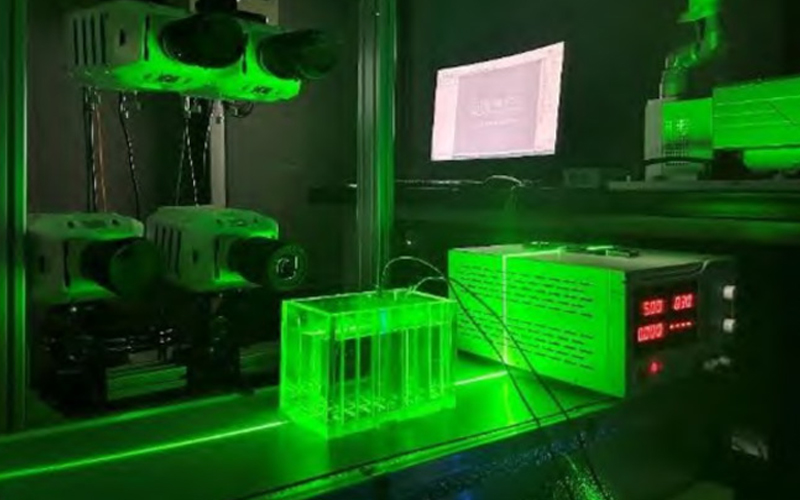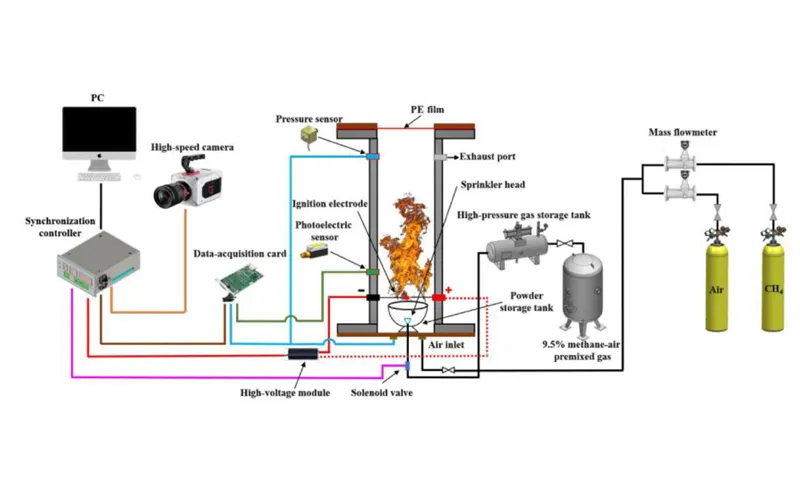
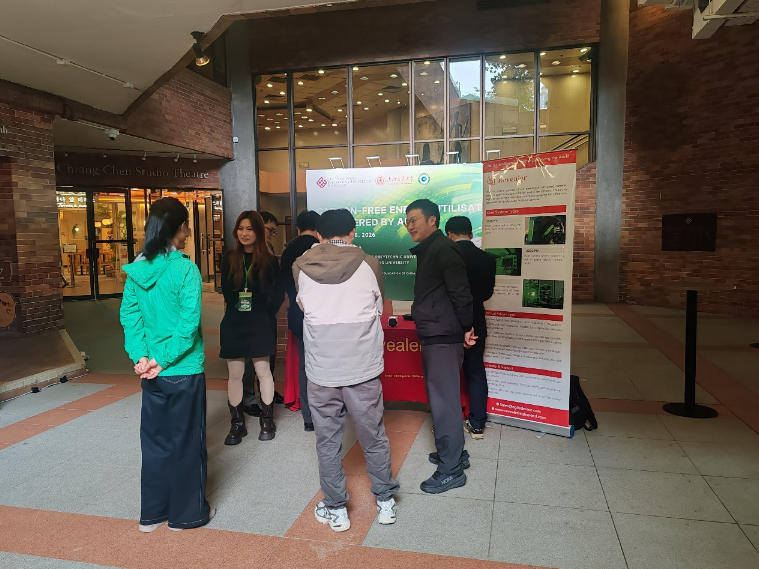
Recently, the international academic conference "Carbon-Free Energy Utilisation Empowered by AI," jointly hosted by The Hong Kong Polytechnic University and Shanghai Jiao Tong University, was held in Hong Kong. Research into the unsteady combustion of zero-carbon fuels, such as hydrogen and ammonia, emerged as a core topic of discussion.
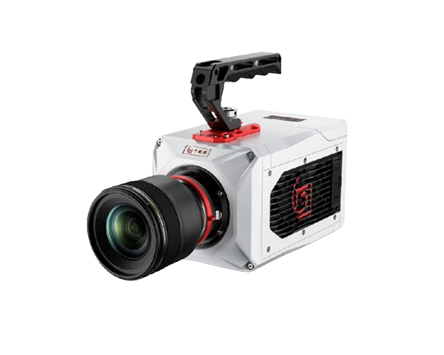
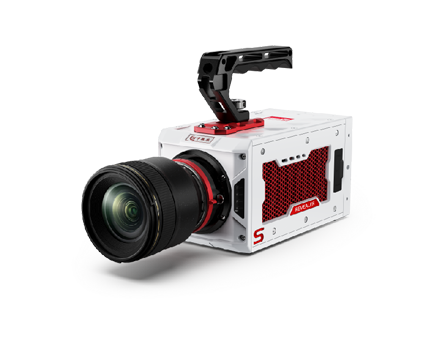
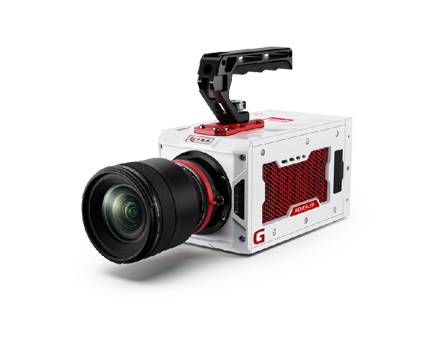
As a manufacturer specializing in High Speed Cameras and Particle Image Velocimetry (PIV) Systems, Agile Device participated in this conference with its core products. We engaged in deep discussions with experts from the fields of combustion, energy power, and aerospace engineering.
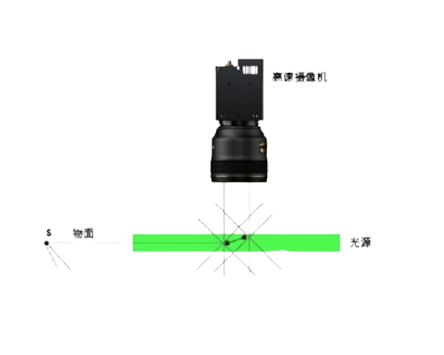
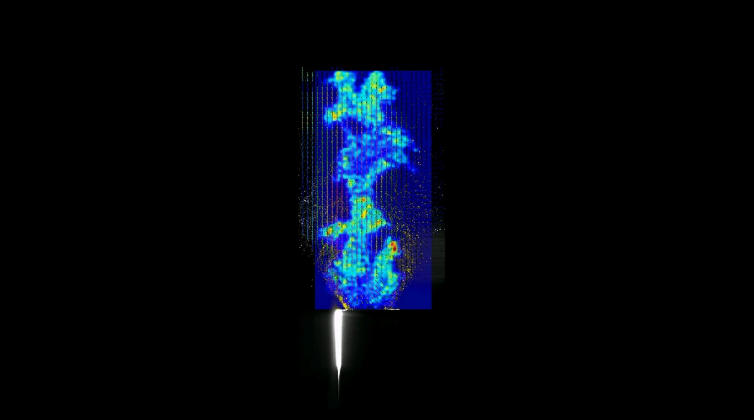
Hydrogen and ammonia fuels are characterized by high flame propagation speeds, strong instabilities, sensitive thermoacoustic coupling, and short chemical reaction timescales. Measuring a single physical quantity is insufficient to reveal the true combustion mechanism. While a Particle Image Velocimetry (PIV) System can obtain high-resolution velocity fields, and Planar Laser-Induced Fluorescence (PLIF) technology can characterize the distribution of key radicals like OH, it is difficult to establish a direct link between flow structures and reaction zone evolution without synchronous measurement.
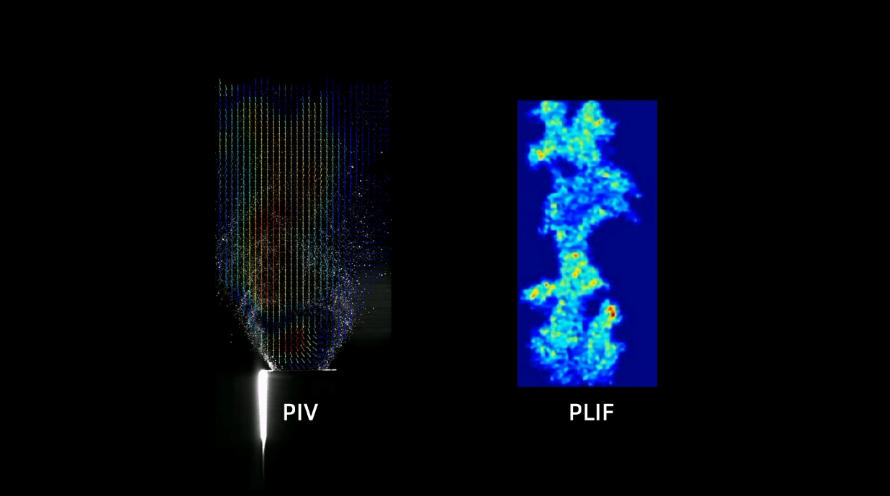
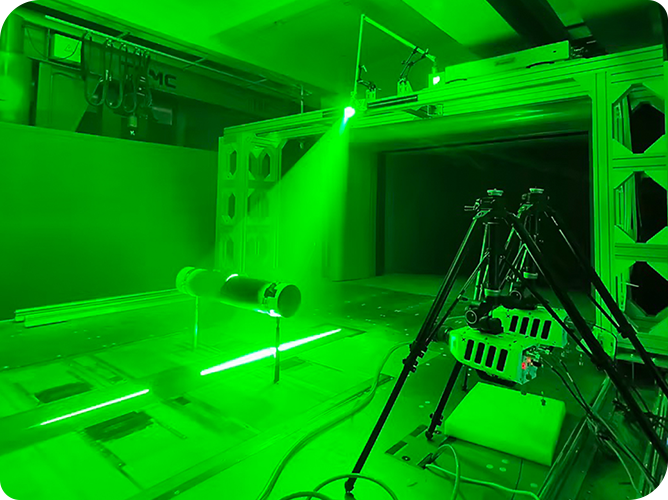
The Revealer 10 kHz high-speed PIV-PLIF synchronous coupling measurement system addresses the demand for coupled measurement of flow structures and chemical reaction zones in complex combustion fields. The system features the following characteristics:
· 10 kHz High-Frequency Synchronous Acquisition: Utilizing the Revealer High Speed Camera as the core acquisition terminal, the system not only captures microsecond-level vortex evolution but also obtains velocity fields and radical distributions simultaneously on the same physical plane through PIV-PLIF coupling technology.
· Precise Reconstruction of Physical Information: Targeting "Physics-Informed Neural Networks (PINNs)" required for AI modeling, the Revealer high-speed PIV-PLIF synchronous coupling measurement system provides high-quality datasets with temporal continuity through a 10 kHz sampling rate. This serves as the foundation for training high-precision combustion prediction models.
· Full-Link Precision Control: This includes laser energy fluctuation correction, image coordinate registration, and distortion correction to ensure the absolute physical authenticity of the data.
During discussions between Agile Device engineers and academic experts, a common question arose: "How to choose an appropriate PIV system for combustion flame research?" Based on practical engineering experience and scientific research trends, we recommend focusing on the following aspects:
· High Temporal Resolution Capability: The acquisition frame rate is recommended to be no less than 5 kHz. For ammonia combustion and thermoacoustic research, 10 kHz or higher High Speed Cameras are preferred, such as the Revealer S1315, S1310, or NEO models. Furthermore, the High Speed Camera must support dual-frame PIV exposure to guarantee analytical precision.
· Multi-System Synchronization Capability: The system should support synchronous expansion for PIV and PLIF, possess nanosecond-level trigger control interfaces, and support the integration of pressure sensors and other diagnostic equipment.
· High Signal-to-Noise Ratio Imaging: The acquisition-side High Speed Camera must feature high-sensitivity CMOS and low readout noise, supporting compatibility with narrow-band filters and image intensifier modules.
· Data Processing and Calibration Capability: Support for PLIF laser energy fluctuation correction and PLIF sheet light energy distribution correction is required.
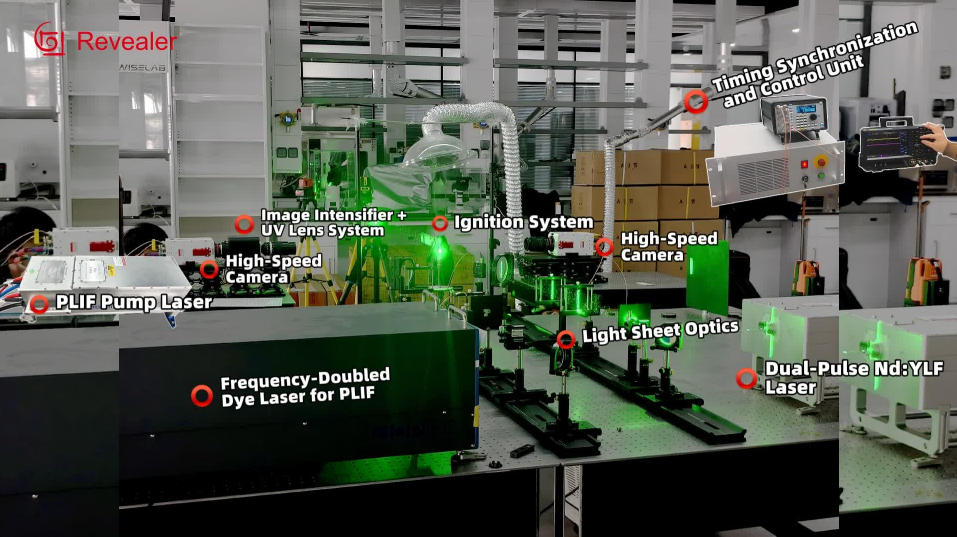
The "Carbon-Free Energy Utilisation Empowered by AI" conference pointed toward a technical trend in zero-carbon combustion research: higher temporal resolution, more complex multi-physics field coupling, and stricter data synchronization requirements. Under this trend, the High Speed Camera is no longer just an imaging tool but the core equipment for capturing high-frequency transient physical processes. Similarly, Particle Image Velocimetry (PIV) and Planar Laser-Induced Fluorescence (PLIF) systems are no longer isolated means of measuring velocity or concentration fields, but the fundamental platforms for research in combustion fluid mechanics.
For experiments currently conducting or planning to conduct research on hydrogen/ammonia fuels or gas turbine combustion, constructing a high-frequency PIV-PLIF synchronous coupling measurement system will directly determine the experimental precision and the reliability of research conclusions. The Revealer Particle Image Velocimetry (PIV) - Planar Laser-Induced Fluorescence (PLIF) synchronous coupling system, integrated with core High Speed Camera equipment, is undoubtedly the professional choice for the scientific research community.
 English
 Deutsch