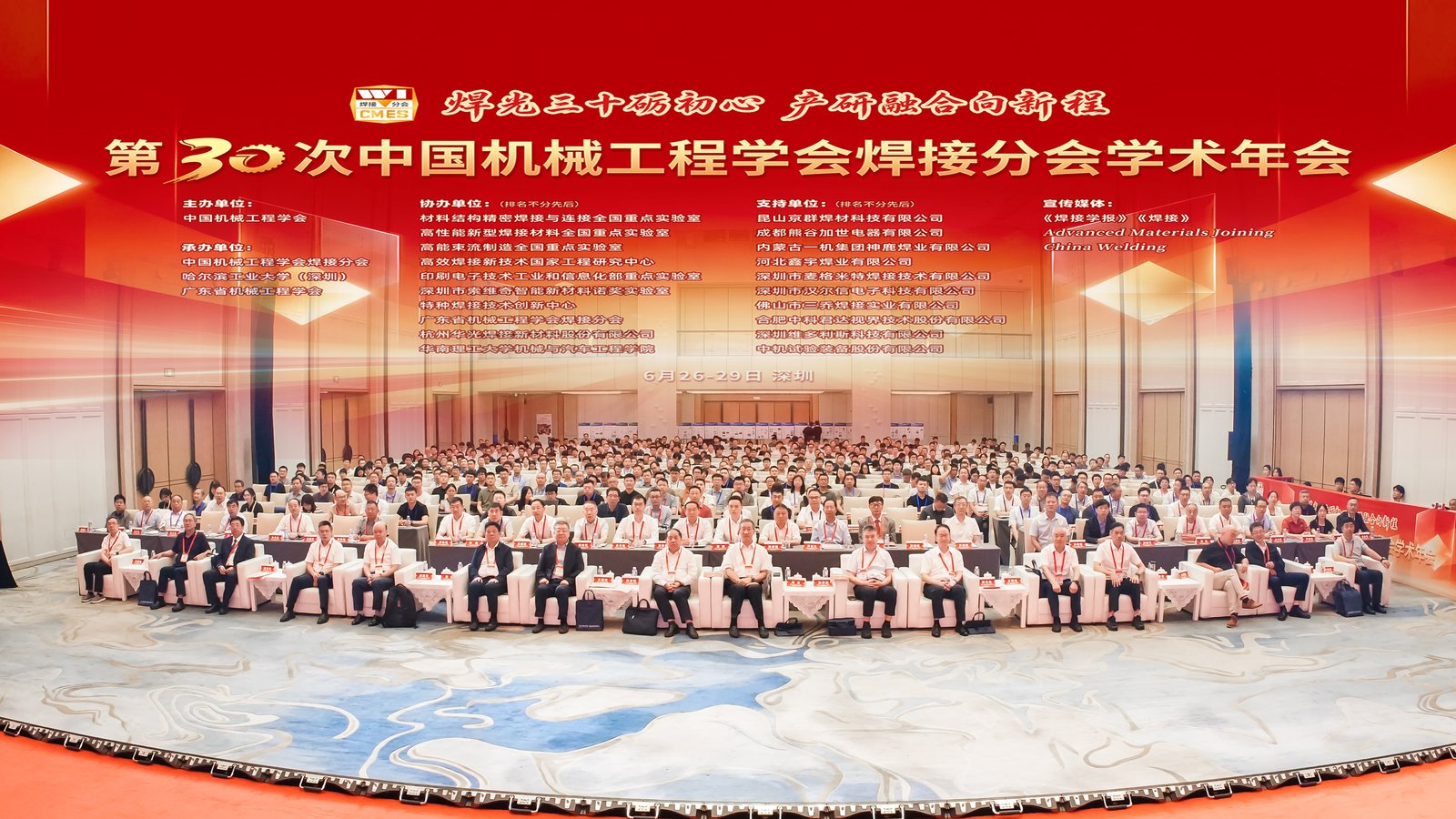
Recently, the 30th National Welding Academic Conference was held in Shenzhen.
The conference focused on the theme of “Welding Fundamentals Theory – Advanced Manufacturing Processes – Intelligent and Digital Inspection”, systematically demonstrating the transformation trend of welding manufacturing from experience-driven process optimization to multi-physics coupled mechanism modeling.
In arc welding, laser hybrid welding, and additive manufacturing processes, droplet transfer, molten pool flow, and arc plasma evolution all exhibit typical transient characteristics ranging from milliseconds to microseconds. Traditional low-frame-rate observation methods are insufficient to meet the needs of mechanism analysis.
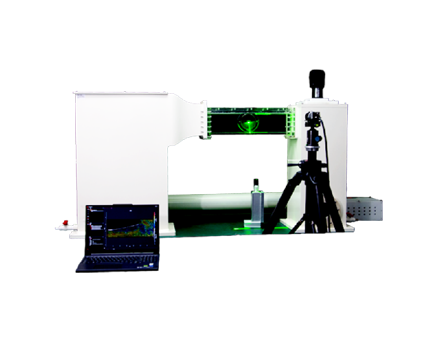
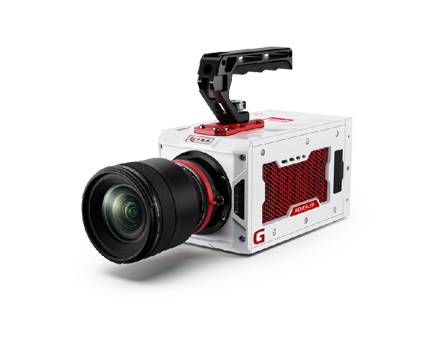
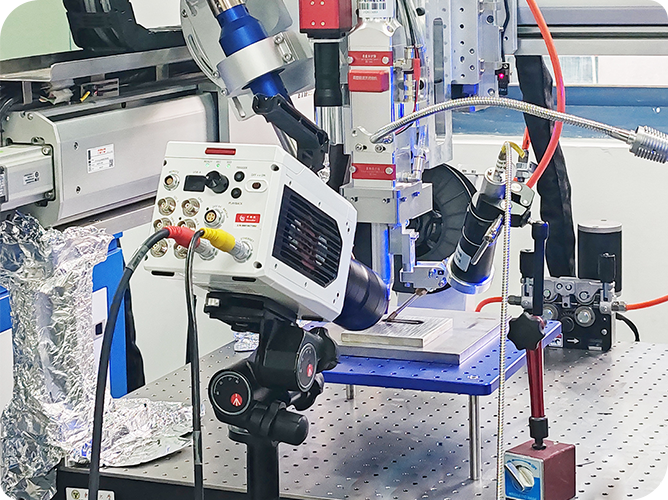
Against this background, high-temporal-resolution imaging technology based on the Revealer high speed camera (S1315 / NEO25), combined with a synchronized welding current and voltage acquisition system, has been used to construct a three-dimensional synchronous observation framework of “morphology evolution – electrical signal response – process parameters”, providing an experimental basis for visualization and quantitative analysis of welding processes.
In CMT additive welding research, the Tianjin University research team used the Revealer S1315 high-speed camera as a slow motion camera 10000 fps solution at a full-frame acquisition rate of 10,000 fps to continuously record the transient cycle process of droplet short-circuit, retraction, and re-ignition.
Through frame-by-frame analysis of the captured high-speed video, the CMT droplet transfer cycle can be divided into three stages:
“droplet retraction”, “liquid bridge necking”, and “droplet detachment”.
Parameters such as droplet cycle, droplet size, and droplet detachment velocity can be quantitatively analyzed using image sequences captured by the high-speed camera, providing guidance for precise matching of wire feeding speed, retraction amplitude, and arc energy parameters, thereby improving forming accuracy and performance consistency in additive manufacturing.
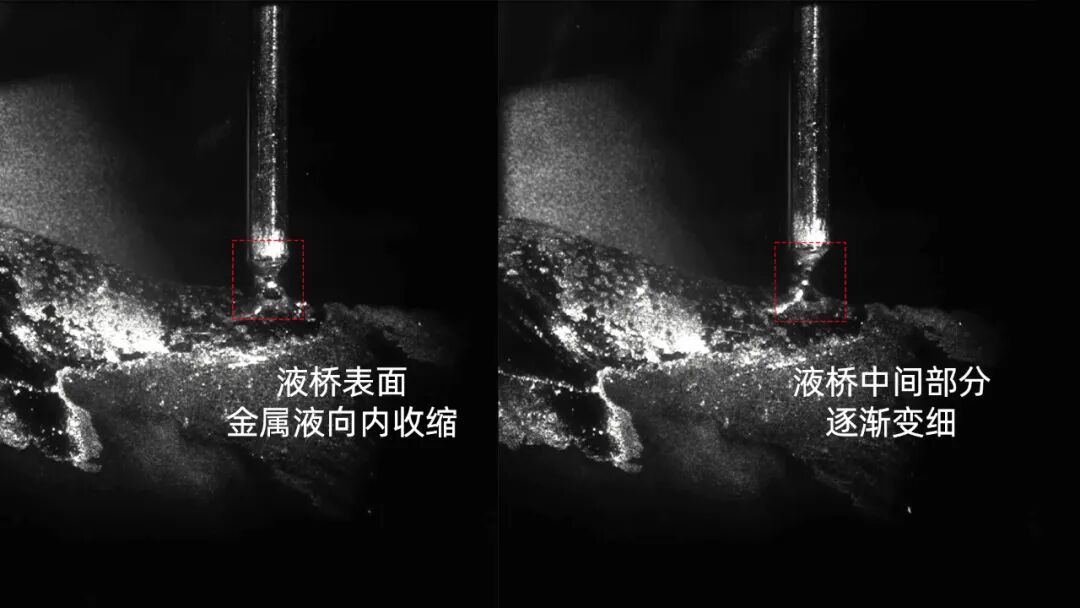
Figure: Droplet retraction–liquid bridge necking–droplet detachment transient process in CMT additive welding captured by Revealer S1315 at 1280×1024 @ 10,000 fps.
In laser–arc hybrid welding experiments at Dalian Jiaotong University, a 10 kW laser and an 8 kW arc heat source coexist simultaneously, jointly producing strong coupled oscillation behavior in the molten pool and keyhole system.
Due to the superposition of plasma and arc radiation, conventional optical observation is prone to saturation and overexposure. By combining narrow-band filtering with ultra high speed cameras and 10,000 fps imaging, keyhole oscillations and droplet injection processes can be resolved.
Experimental results show that periodic keyhole collapse and arc voltage fluctuations exhibit repeatable synchronization characteristics, suggesting a dynamic feedback modulation mechanism between the two heat sources. The high-speed camera provides direct temporal evidence of keyhole collapse, spatter formation, and molten pool backflow structures.
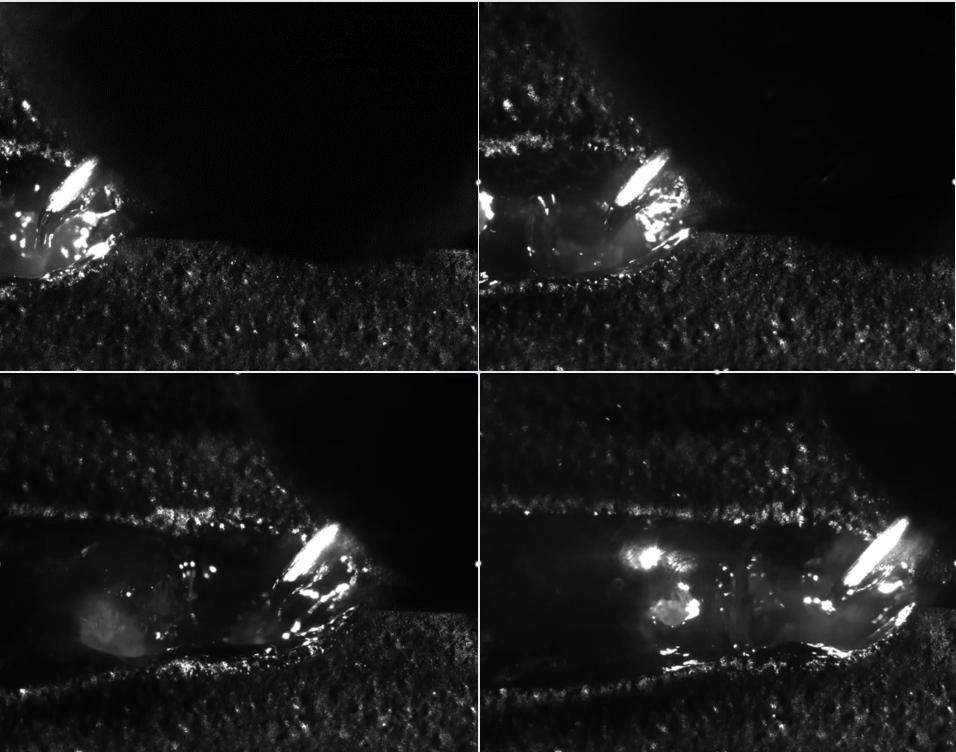
Figure: Droplet transfer and molten pool dynamics in laser–arc hybrid welding captured by Revealer S1315 at 1280×1024 @ 10,000 fps.
In a TIG welding experimental study, the imaging strategy does not completely suppress arc light; instead, it retains a certain level of arc column radiation information to achieve structured characterization of arc states.
High-speed imaging results show that arc column morphology can be described using the following features:
Degree of arc column constriction, reflecting energy concentration
Arc column oscillation amplitude, reflecting arc stability
Asymmetric arc expansion behavior, corresponding to arc deflection or magnetic blow effect
Intermittent brightness interruption, corresponding to arc extinction risk
Further experiments demonstrate that the temporal resolution of the high-speed camera enables visualization of arc column structural evolution such as “stretching – drifting – pre-fracture”, which exhibits synchronization with high-frequency voltage fluctuations. Thus, empirical evaluation of arc stability is transformed into quantitative image-based feature recognition.
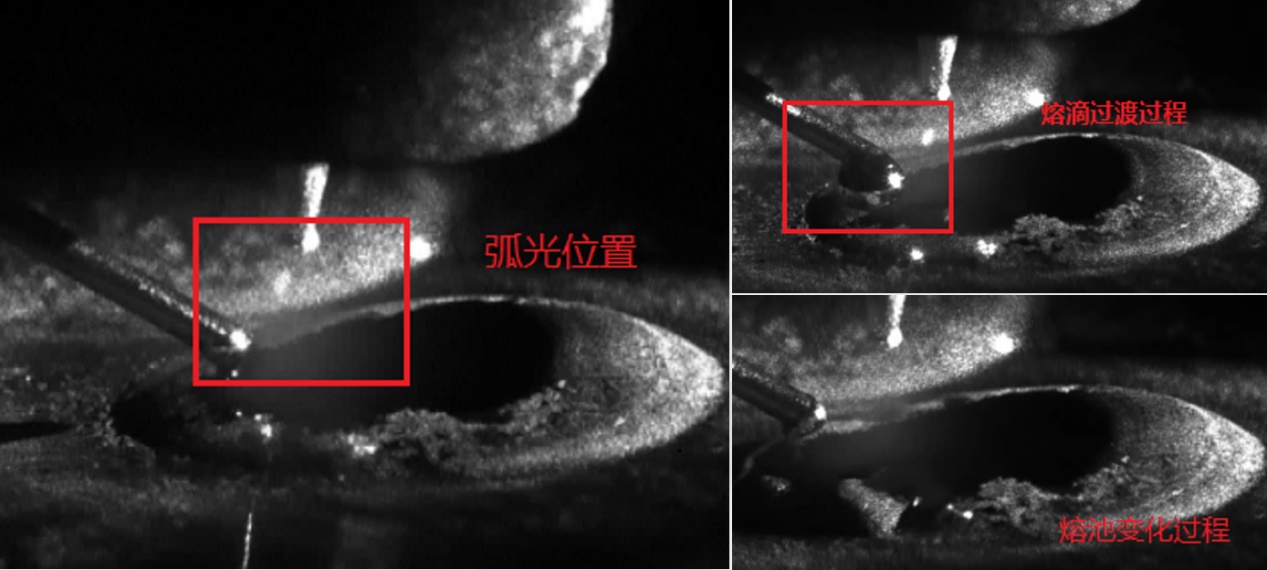
Figure: Arc radiation characteristics of TIG welding observed using Revealer S1315 at 1280×1024 @ 10,000 fps.
In TIG additive manufacturing experiments at Xi’an Shiyou University, the Revealer S1315 high-speed camera was used to investigate the reinforcement mechanism of particles (such as TiC and TiB₂) on molten pool flow behavior during aluminum alloy wire additive processes.
High-temporal-resolution imaging shows that after particle addition, the molten pool flow transitions from a typical Marangoni convection mode to a locally disturbed enhanced flow pattern, accompanied by intensified asymmetric oscillations of the free surface.
Particle migration trajectories and interfacial capture behavior within the molten pool provide direct observational evidence for subsequent solidification microstructure formation mechanisms.
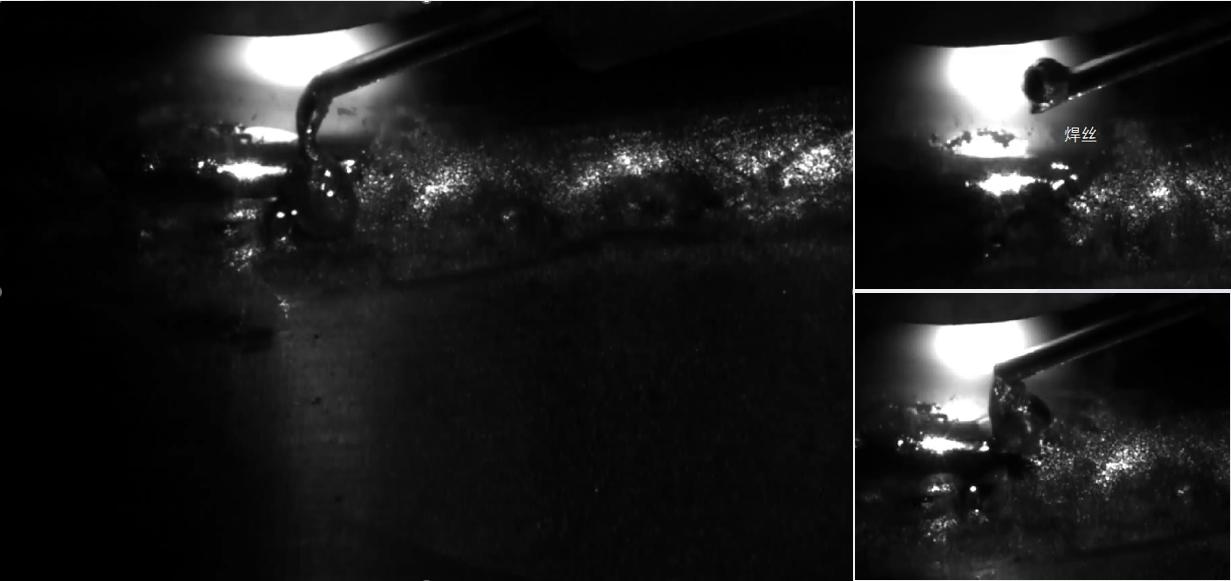
Figure: Particle residence, migration, and interfacial capture behavior in molten pool captured by Revealer S1315 at 1280×1024 @ 5,000 fps.
In laser spot welding experiments conducted by a precision interconnect and automotive electronics company, microscale molten pool systems (1–5 mm) impose extremely high imaging requirements.
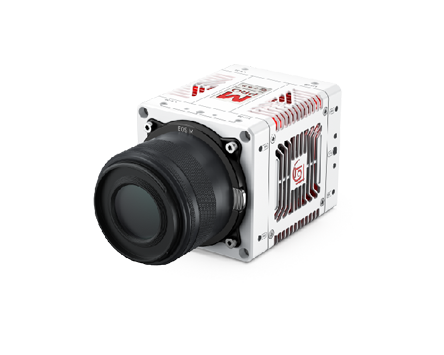
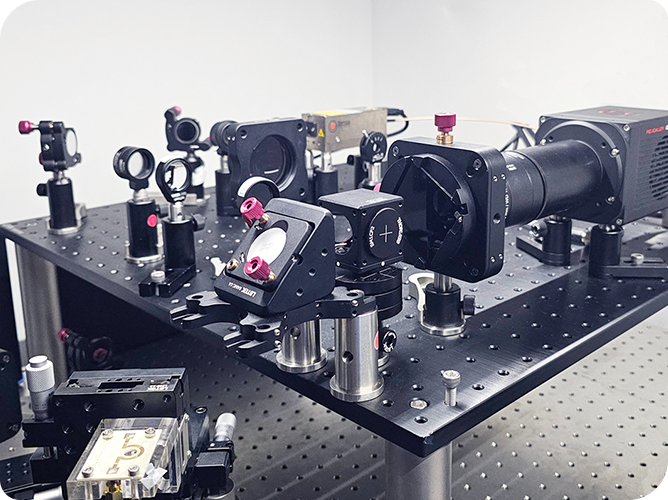
Through a combination of macro-lens optical systems and multi-stage extension lenses, the Revealer NEO25 achieves continuous capture of keyhole opening and closing behavior at 40,000 fps under ROI mode.
At the same time, reflection suppression strategies are used to reduce laser speckle interference, enabling stable identification of molten pool boundaries and keyhole contours.
High-speed imaging results indicate a direct correlation between transient keyhole collapse events and high-energy spatter formation, demonstrating that high-temporal-resolution imaging plays a critical role in identifying early-stage defect formation mechanisms.
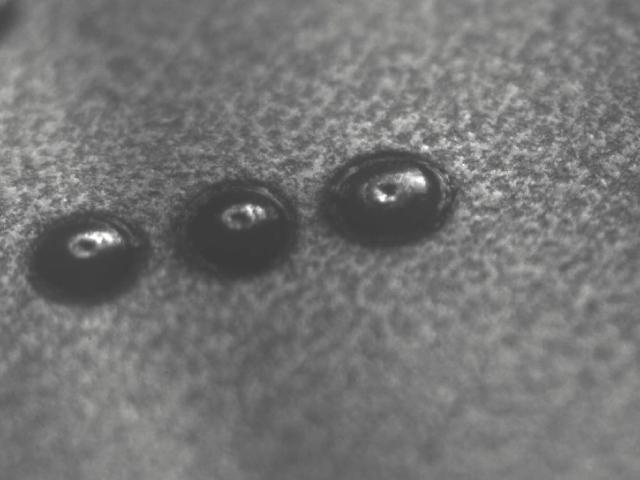
Figure: Melt pool transition details and solidification process in laser spot welding captured by Revealer NEO25 at up to 40,000 fps (ROI mode).
In an arc welding experiment at Ningxia University, high-temporal-resolution imaging at 4,000 fps was combined with synchronized current/voltage signal acquisition to establish a mapping relationship among “arc morphology – electrical signals – droplet behavior”.
The results show:
Current rise corresponds to the droplet acceleration formation stage
Voltage fluctuations reflect arc length variation and channel instability
Droplet detachment corresponds to current/voltage spike responses
This method provides foundational data support for online monitoring and closed-loop control of welding processes.
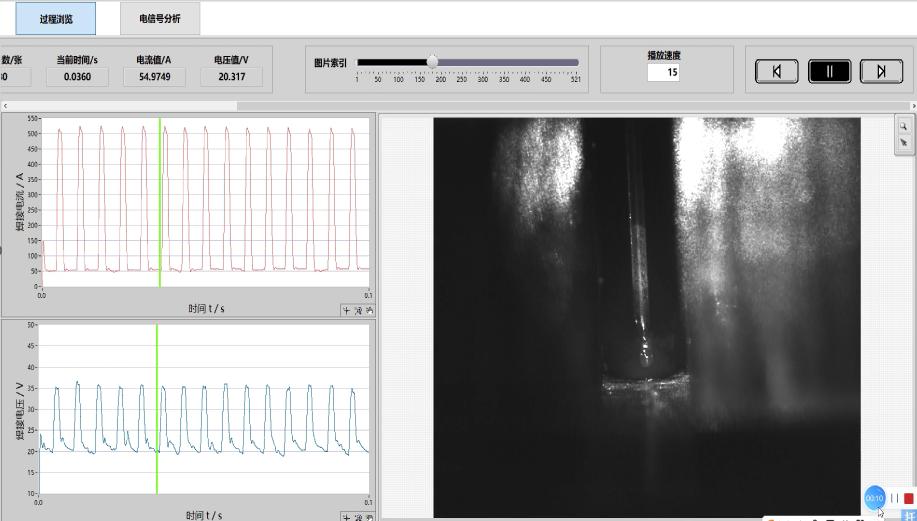
Figure: Evolution of droplet state under current and voltage modulation observed using Revealer synchronized welding signal acquisition system.
Research presented at the 30th National Welding Academic Conference indicates that welding process diagnostics are shifting from post-event analysis toward mechanistic process understanding.
Multi-source synchronized diagnostic technology centered on the Revealer high-speed camera is becoming a key experimental infrastructure connecting arc physics and electrical signal response mechanisms, providing support for interpretable modeling and intelligent control of complex welding processes.
NEXT
 English
 Deutsch