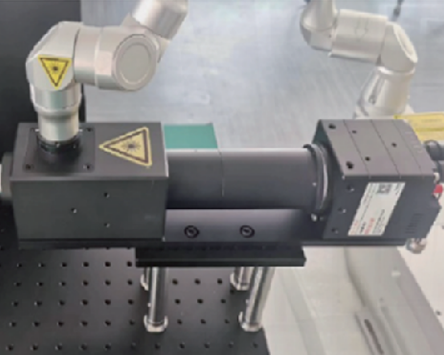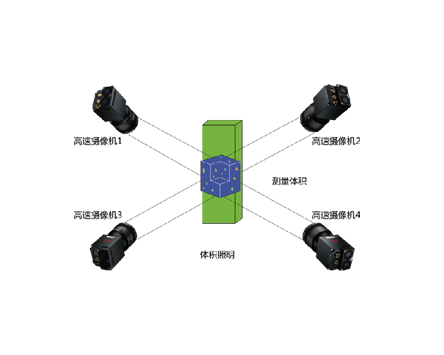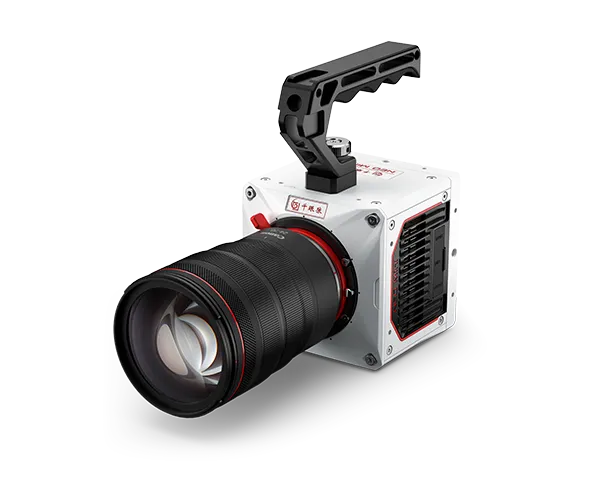
The development of the 10,000 fps Ultra High-speed Camera has significantly advanced experimental combustion diagnostics, particularly in time-resolved PIV (Particle Image Velocimetry) and PLIF (Planar Laser-Induced Fluorescence) coupled measurement systems.
In this study, a synchronized 10 kHz (10,000 fps class) high-speed imaging system is deployed to capture the coupled evolution of flame flow structures and chemical reaction zones in turbulent combustion. The system enables simultaneous visualization of velocity fields and reactive scalar fields at identical spatial and temporal resolutions.
By integrating ultra-high-speed imaging with laser diagnostics, researchers can directly resolve:
Turbulent vortex evolution
Flame front wrinkling dynamics
Reaction-zone displacement and instability
low–chemistry coupling mechanisms
Traditional diagnostic systems suffer from temporal decoupling:
PIV alone captures velocity fields but cannot resolve chemical reaction zones.
PLIF alone visualizes radicals or intermediates but lacks flow dynamics.
Sequential acquisition introduces temporal mismatch.
The introduction of a 10,000 fps Ultra High-speed Camera system resolves this limitation by enabling:
Frame-level alignment between PIV and PLIF channels
Nanosecond-level synchronization via digital delay generators
Co-temporal mapping of flow and chemistry
Resolution of fast-evolving vortex structures
Capture of transient flame folding and stretch events
Improved signal-to-noise in unsteady combustion fields
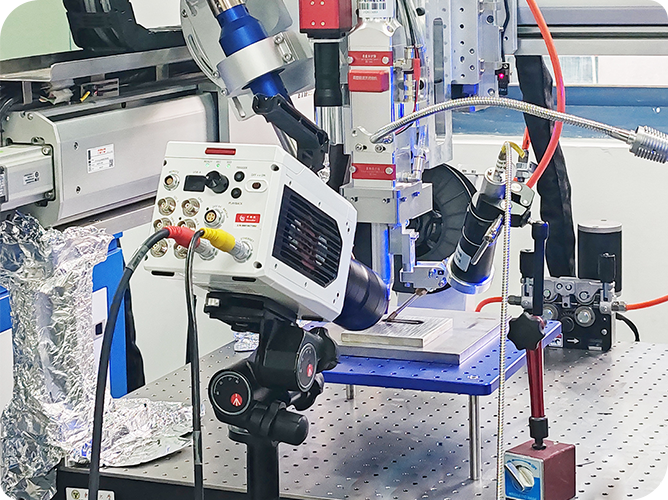
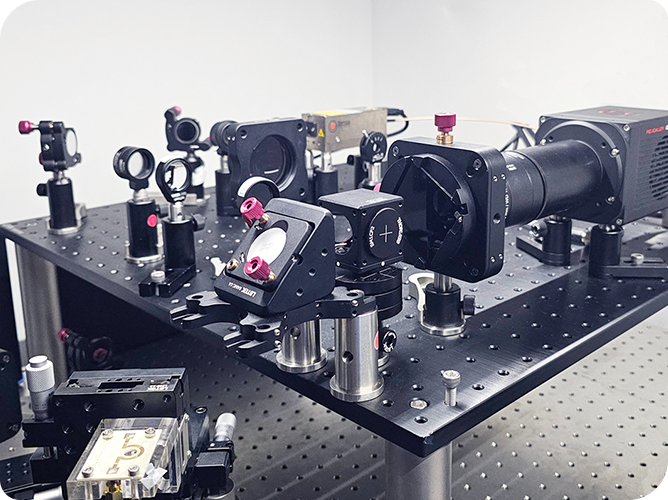
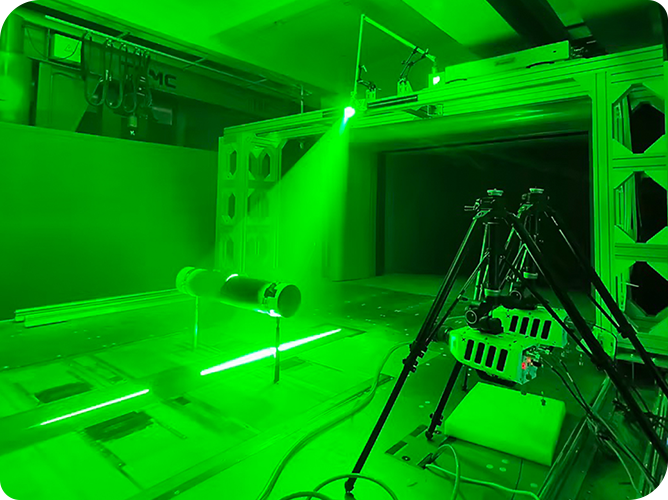
The experimental platform integrates laser diagnostics, synchronized triggering, and dual-channel high-speed imaging.
Imaging Core: 10,000 fps Ultra High-speed Camera (Revealer S1310M)
Dual-pulse Nd:YLF laser (527 nm)
Seeding particles: ~1 μm Al₂O₃
Narrowband optical filtering at 527 nm
High-speed intensified imaging channel (ICCD coupled)
Excitation: tunable dye laser + pump laser
UV imaging optics (optimized for OH signal at 308 nm)
Bandpass filtering for fluorescence isolation
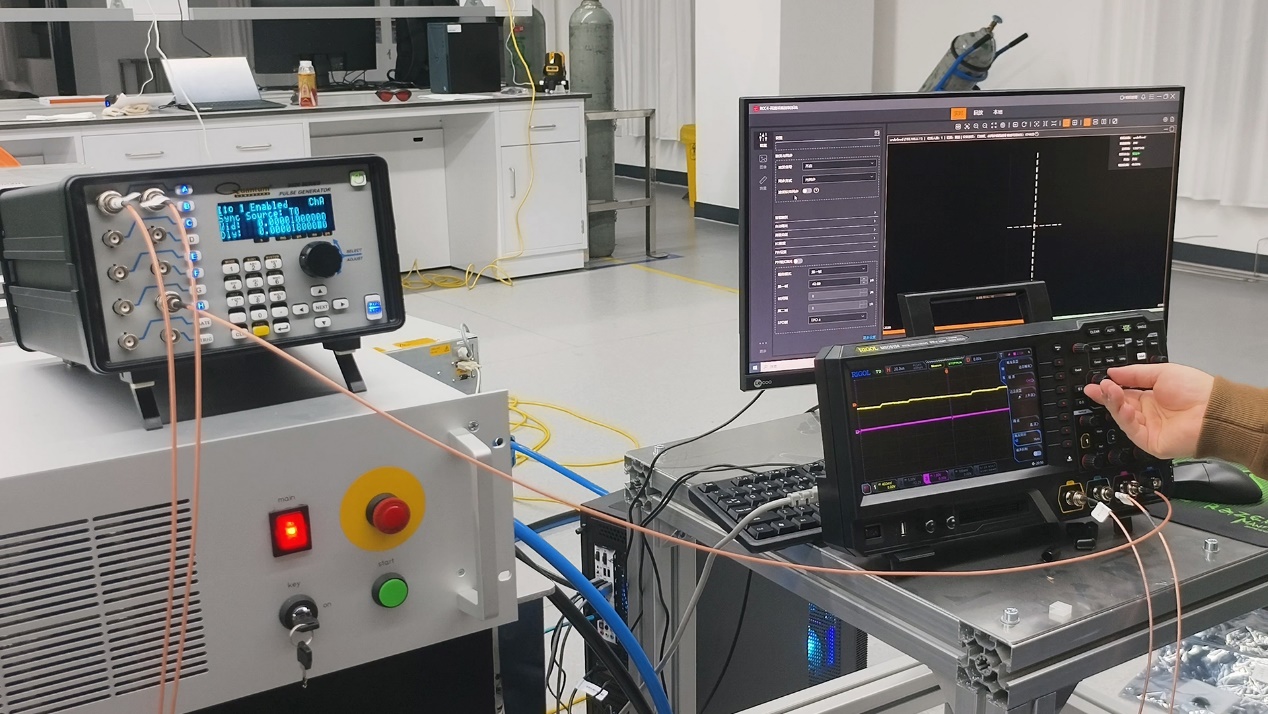
A multi-channel digital delay generator is used to coordinate:
Dual-pulse PIV laser firing
PLIF excitation laser timing
Intensifier gating
Frame triggering of the 10,000 fps ultra High-speed camera
This ensures strict temporal coherence across all diagnostic modalities, a prerequisite for obtaining reliable measurements with an ultra high speed video camera in coupled flow–chemistry diagnostics.
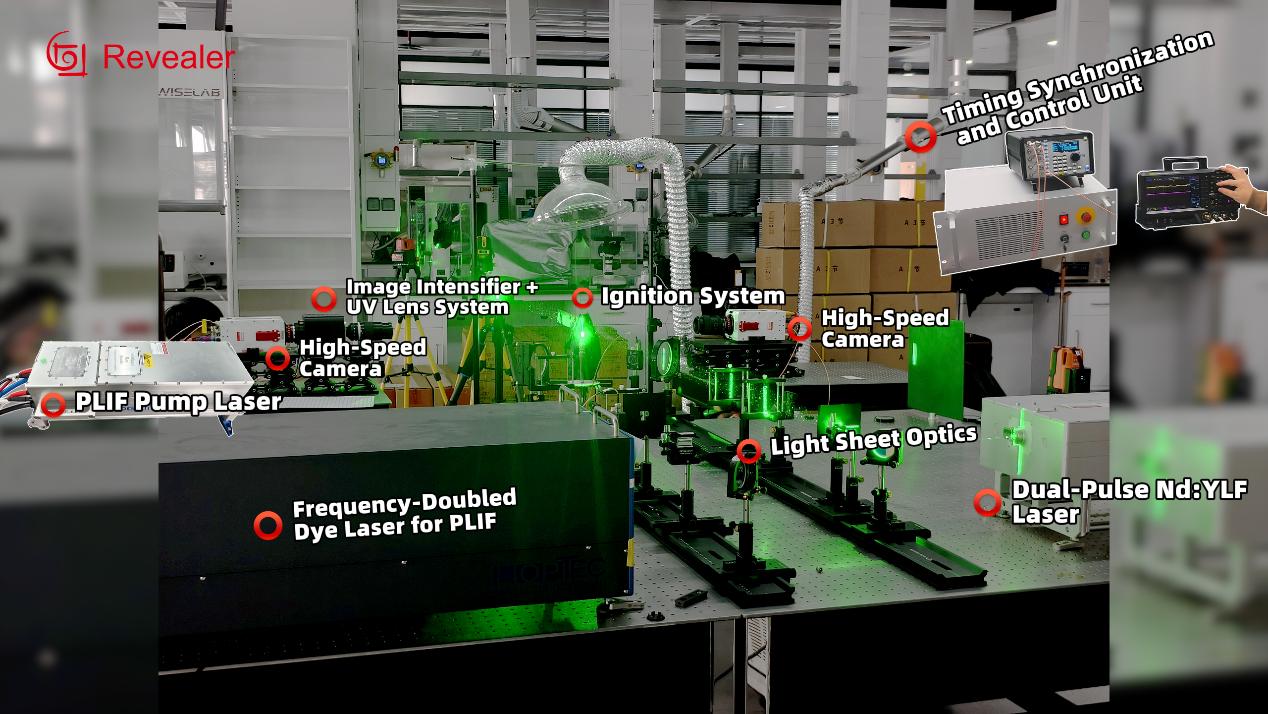
The experiment is executed through five key stages:
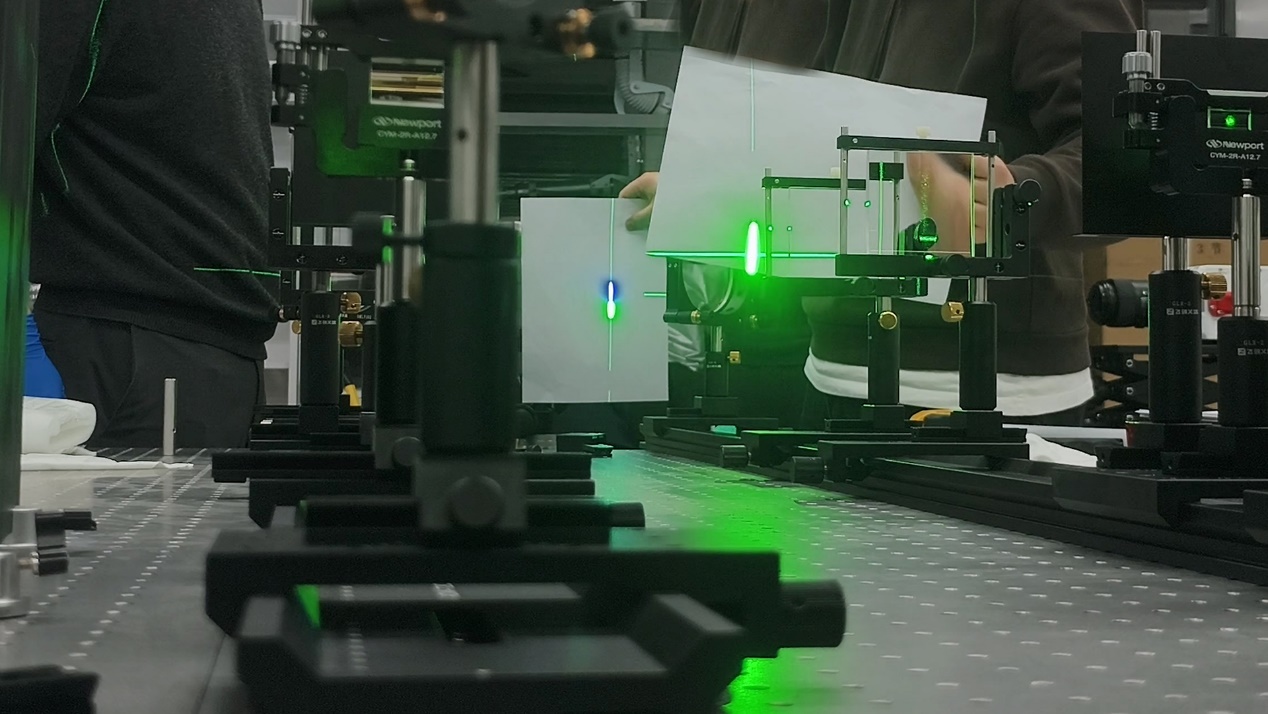
Laser sheets from PIV and PLIF systems are geometrically aligned into a shared measurement plane. Calibration targets are used to correct:
Lens distortion
Perspective misalignment
Non-coplanar laser sheet deviation
All datasets are mapped into a unified physical coordinate system.
The 10,000 fps Ultra High-speed Camera serves as the master timing reference.
PIV imaging uses double-frame laser separation
PLIF imaging is gated within fluorescence emission windows
Frame index alignment ensures one-to-one correspondence
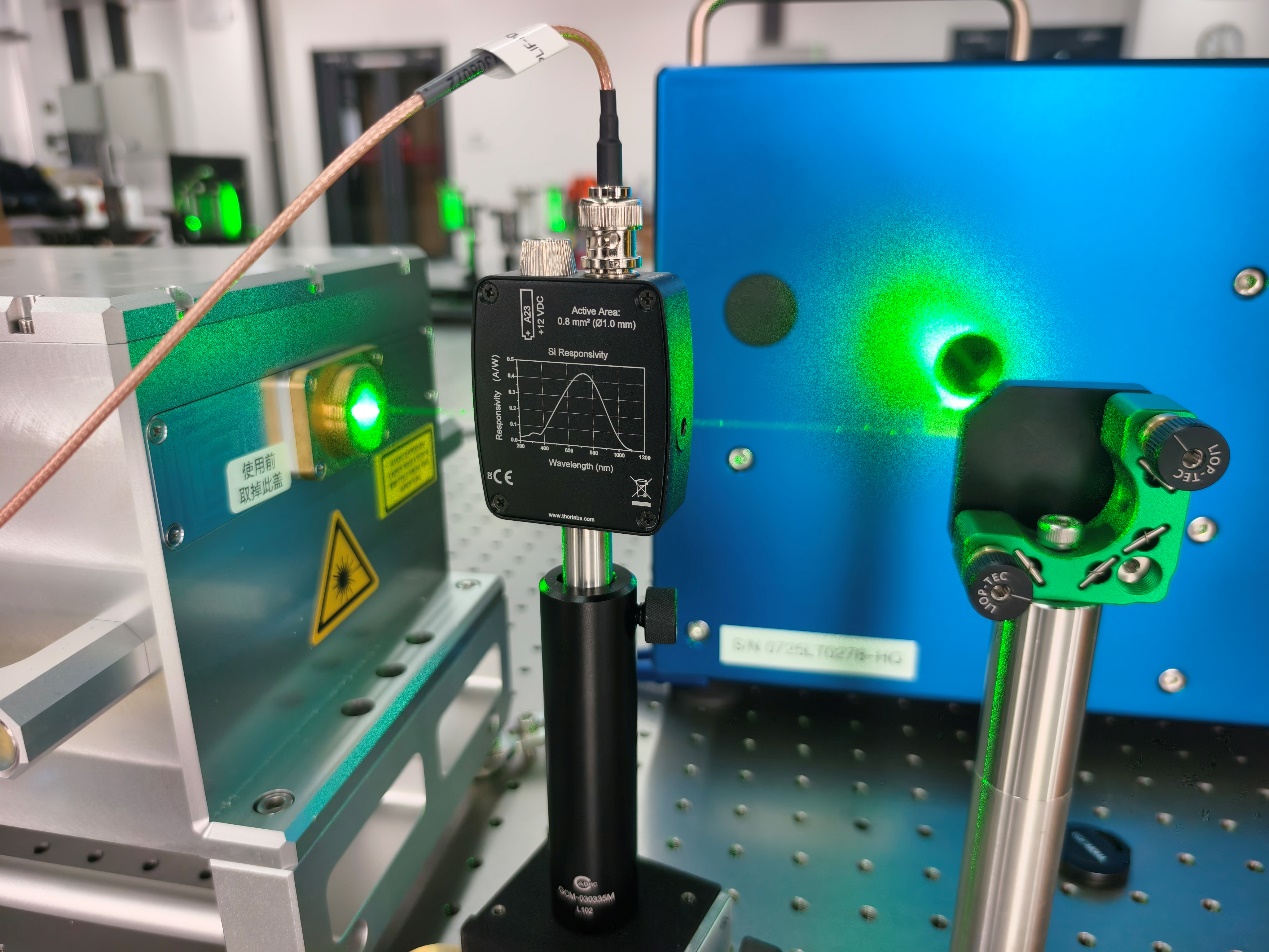
To eliminate pulse-to-pulse laser instability:
Photodiode-based energy monitoring is implemented
Real-time pulse energy logging is synchronized with frame indices
Post-processing normalization is performed using RFlow-type flow analysis software
This ensures that PLIF intensity reflects true chemical variation rather than laser drift.
Gaussian energy distribution in laser sheets is corrected using:
Beam shaping optics
Pre-flame acetone vapor calibration
Flat-field correction algorithms
This improves quantitative comparability of OH fluorescence fields.
At 10,000 fps acquisition rate:
PIV velocity fields are reconstructed frame-by-frame
PLIF scalar fields are aligned temporally
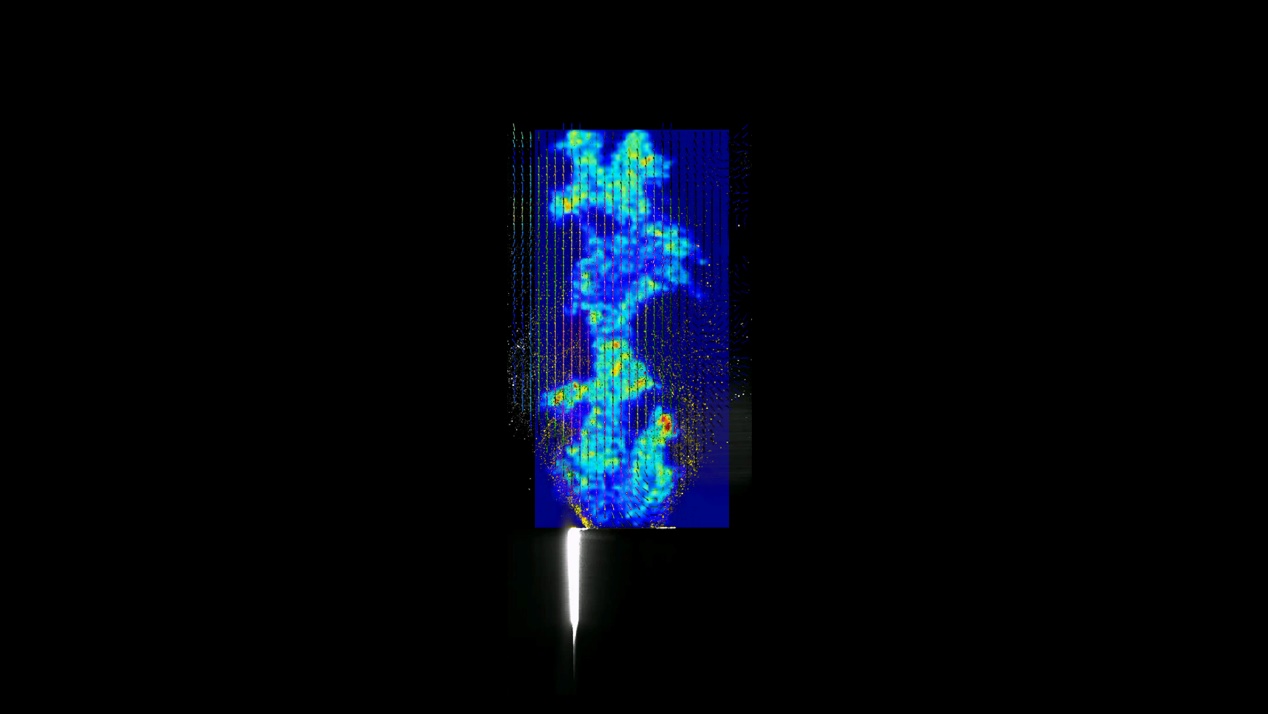
Final outputs produce co-registered flow–chemistry maps
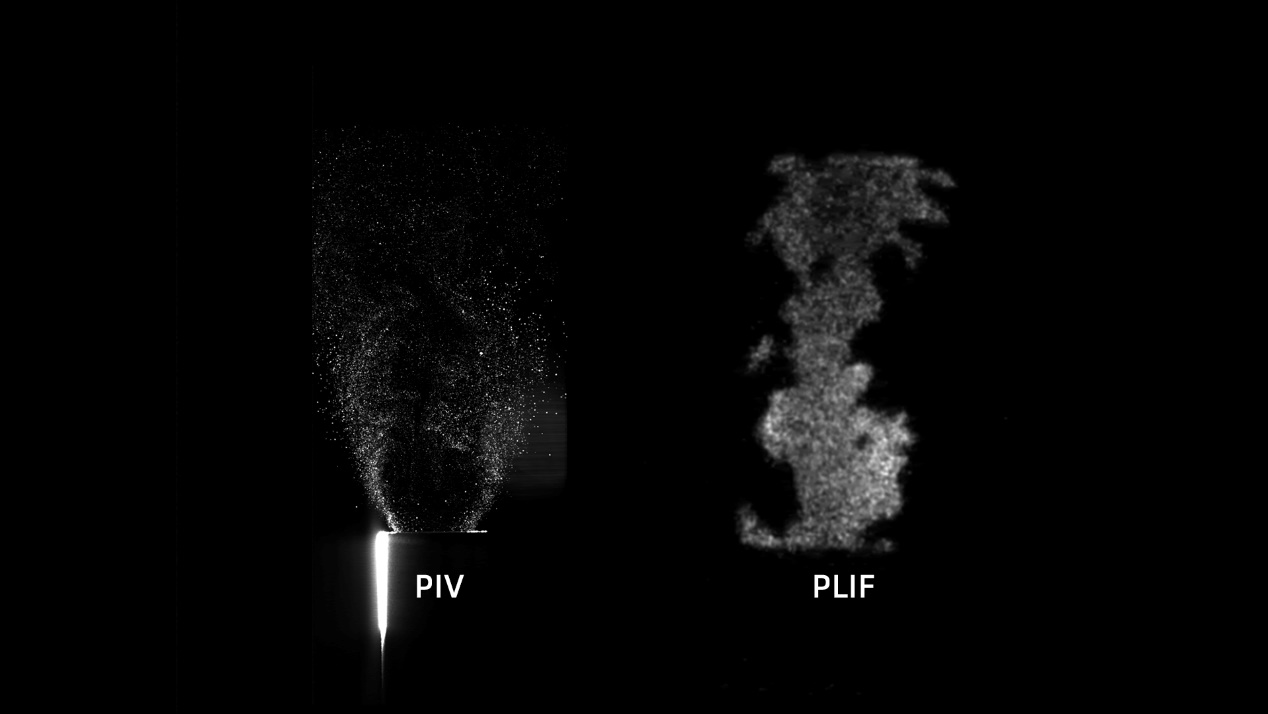
Using independent datasets:
PIV reveals vortex structures, shear layers, and recirculation zones
PLIF shows flame front topology and reaction layer fluctuations
However, causal linkage remains unclear.
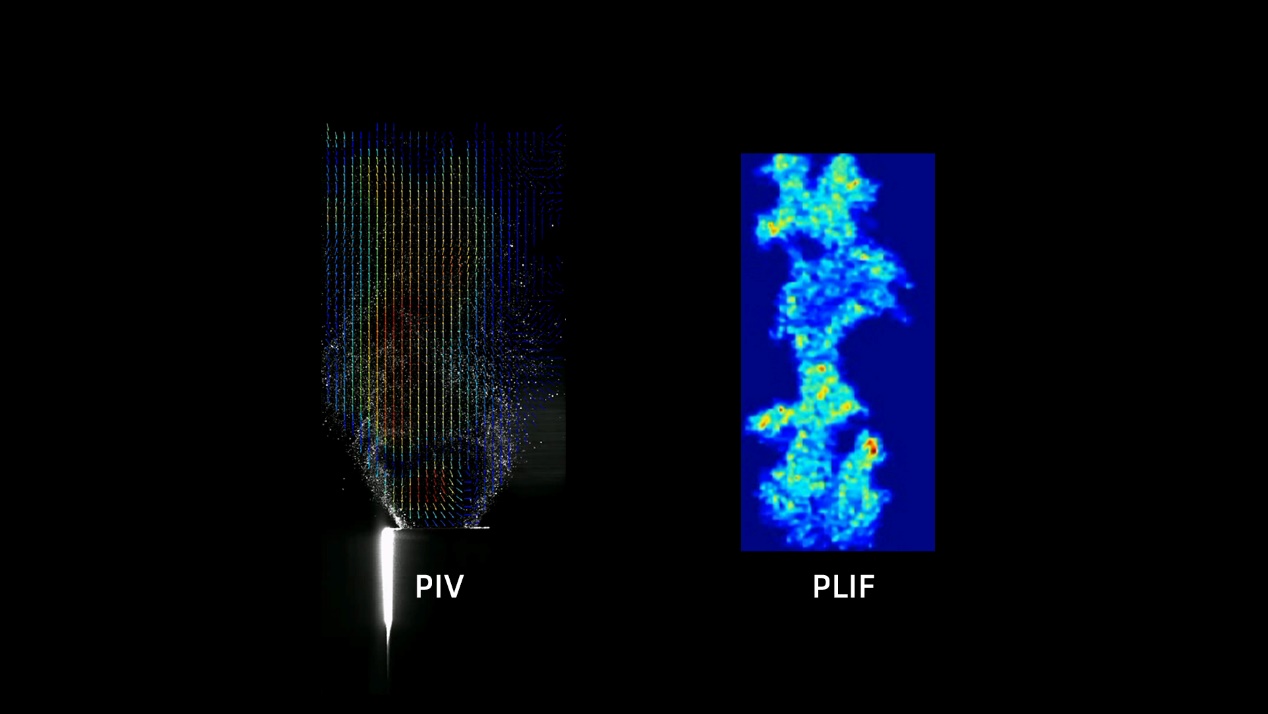
After synchronization via the 10,000 fps Ultra High-speed Camera system:
Strong vortices correspond directly to flame front wrinkling
Flame surface deformation increases with local velocity strain
Reaction zone displacement correlates with coherent turbulent structures
This confirms direct flow–chemistry coupling mechanisms in turbulent combustion.
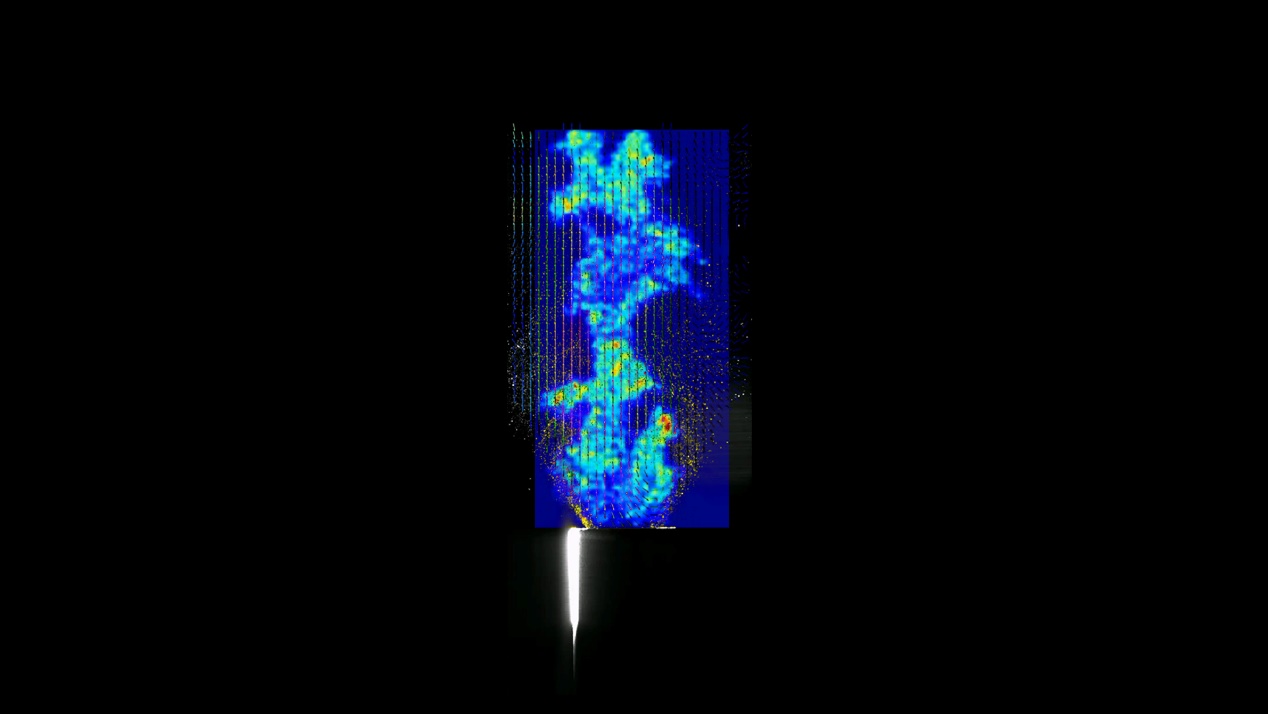
Turbulent flow structures
Flame front dynamics
Chemical reaction zone evolution
Turbulent combustion modeling
Ignition and flame stabilization studies
High-fidelity validation of CFD/LES combustion simulations
It is used for time-resolved imaging of fast transient phenomena such as combustion, turbulence, shock waves, and fluid-structure interactions, making it one of the most valuable tools among modern high speed cameras for scientific research.
It ensures temporal synchronization between velocity field (PIV) and chemical field (PLIF), enabling true coupled flow–chemistry analysis.
It resolves millisecond- to microsecond-scale turbulence structures that conventional cameras cannot capture.
 English
 Deutsch