How to Choose the Best FPS for Different Industrial Applications: A Practical Guide
1. Introduction: Matching Speed to the Event
In high-speed imaging, "more" is not always "better." Choosing 100,000 FPS for a 1,000 FPS event will only result in massive data files and reduced resolution. The secret to professional imaging is matching the Frame Rate (FPS) to the velocity of the subject.
This guide will help you determine the sweet spot for your specific industrial application.
To understand the trade-offs between speed and image quality, refer to our Ultimate Guide to High-Speed Camera Specifications.
2. Low to Mid Speed (500 – 2,000 FPS)
Common Applications: Production line troubleshooting, sports science, animal biomechanics. At this range, you are capturing events visible to the eye but too fast to analyze.
Industrial Packaging: Diagnosing why a conveyor belt is jamming or why a labeling machine is misaligned.
Why it works: These speeds allow for Full HD (1080p) resolution, providing crisp details for mechanical adjustments.
·
3. High Speed (3,000 – 10,000 FPS)
Common Applications: Automotive crash tests, industrial spray analysis, drop testing. This is where most professional industrial research happens.
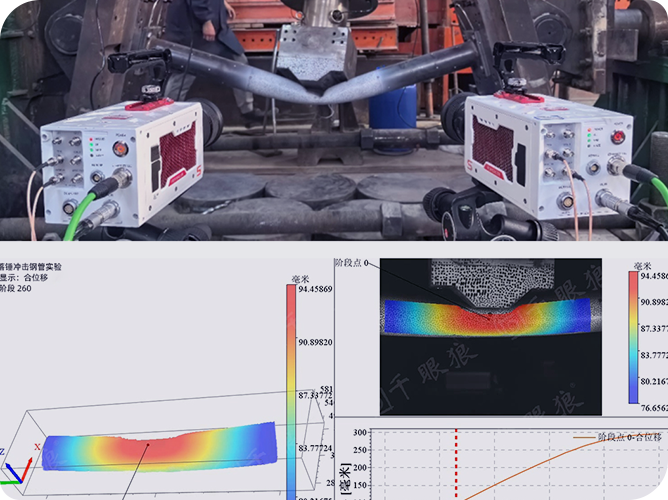
Automotive Safety: Capturing airbag deployment or structural deformation during impact.
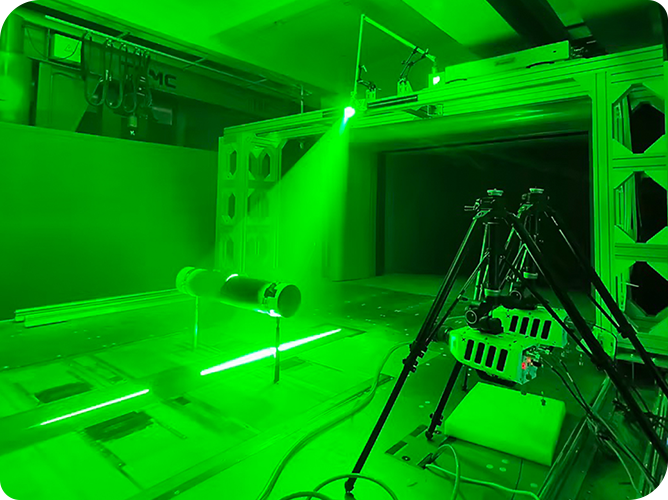
Fluid Dynamics: Analyzing the atomization of fuel injectors or the behavior of industrial coatings.
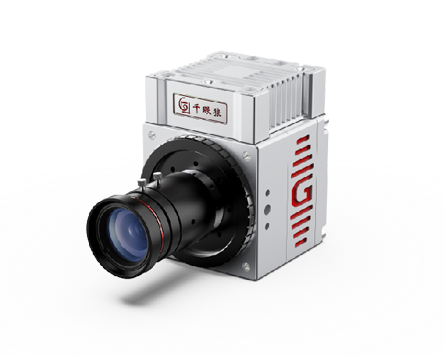
Revealer Choice: Our 5000fps High-Speed Camera is a favorite for drop tests because it captures the exact moment of fracture without excessive data bloat.
4. Ultra-High Speed (20,000 – 100,000+ FPS)
Common Applications: Ballistics, combustion research, electrical arcing. These events occur in the blink of an eye and require specialized sensors.
Ballistics: Tracking a bullet as it exits a barrel or hits a target.
Electrical Engineering: Observing the plasma behavior in high-voltage circuit breakers.
Choosing the right FPS is a balance between having enough data to see the event and not having so much data that you overwhelm your storage. By matching your FPS to your industrial application, you ensure the highest quality results.