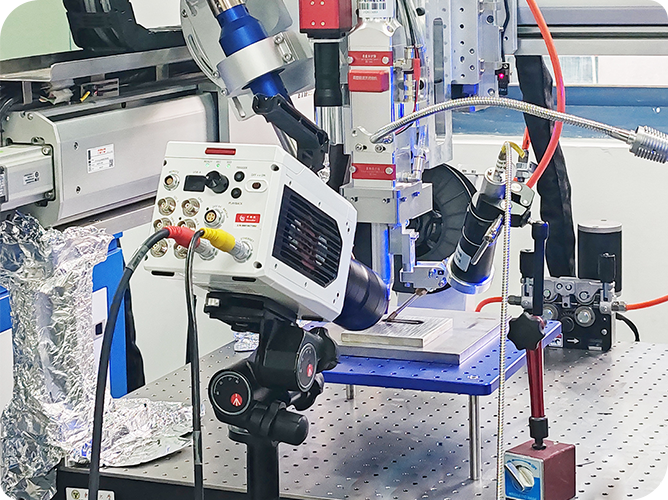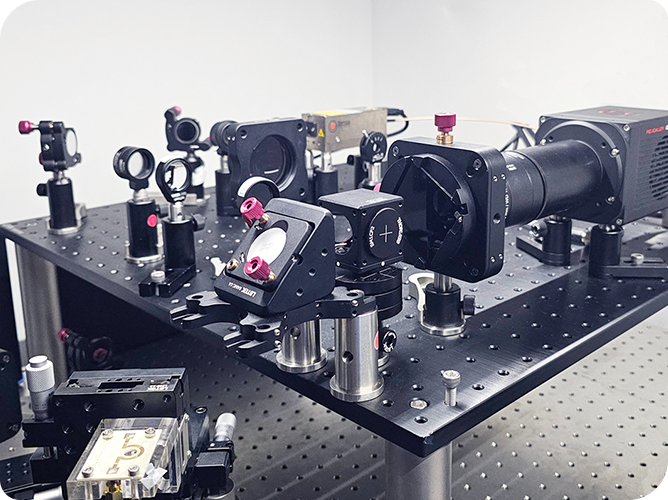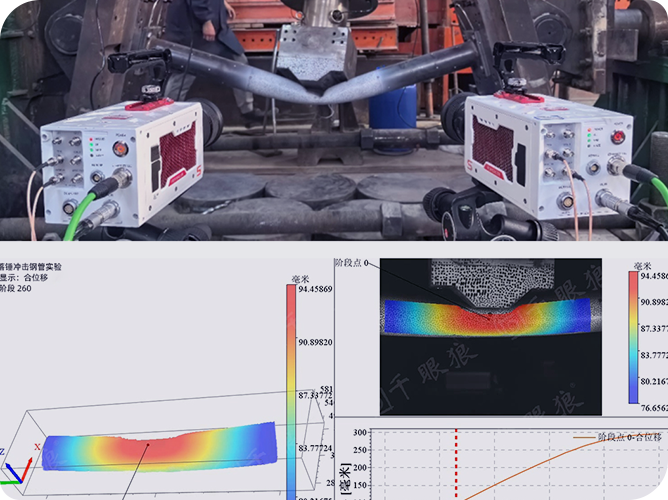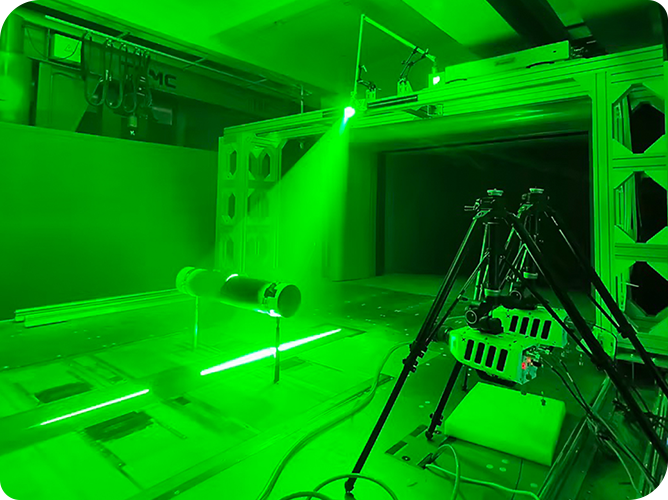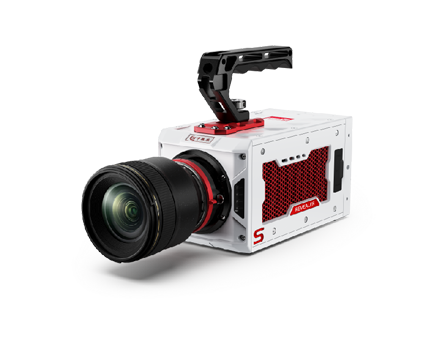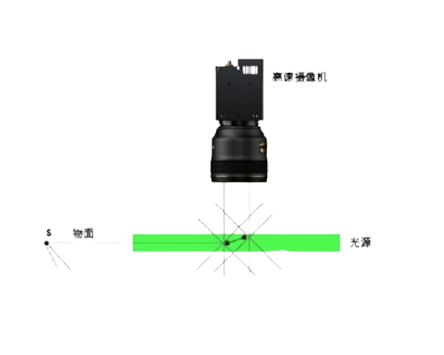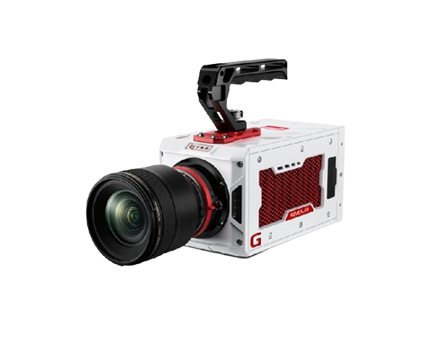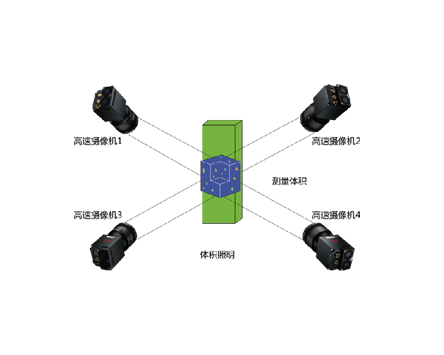
In the world of high-speed imaging, a camera is more than just its "frames per second" (FPS). Whether you are capturing a ballistic test, a chemical reaction, or a Digital Image Correlation (DIC) analysis, understanding the synergy between specifications is crucial.
This guide breaks down the core technical pillars of high-speed cameras to help you make an informed investment.
If you have already determined the required parameters, you can directly check our High-Speed Camera Product Line,
The most critical concept in high-speed imaging is the inverse relationship between resolution and frame rate.
·
The Physics: As you increase the FPS, the camera must process more data per second. To maintain stability, the sensor often reduces the active area (Windowing).
Revealer Insight: For example, a camera might achieve 2,000 fps at Full HD, but to reach 10,000 fps, the resolution may drop to a smaller window.
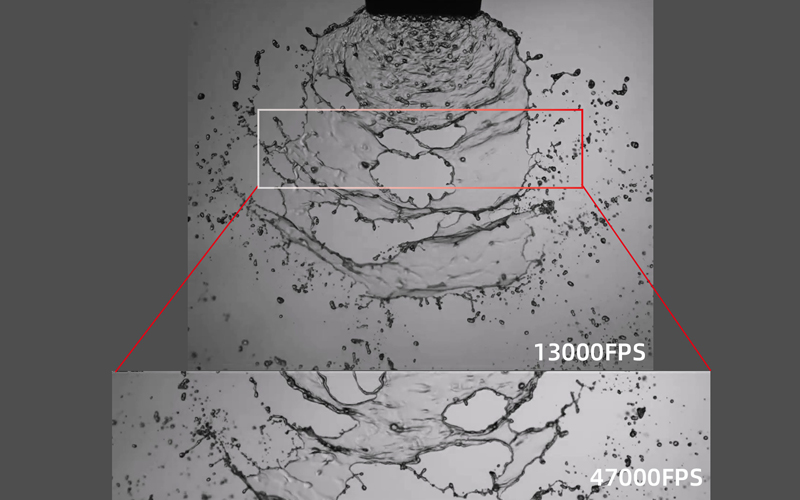
Not sure how much speed you actually need? Check out our detailed breakdown: How to Choose the Best FPS for Different Industrial Applications.
High-speed cameras have incredibly short exposure times (often in microseconds). This means the sensor has very little time to "catch" light.
Monochrome vs. Color: Monochrome sensors are generally 3x more sensitive because they lack the Bayer filter.
ISO Rating: Look for cameras with high native ISO to avoid dark, grainy footage in low-light industrial environments.
Learn about our high-sensitivity models: 20000fps High Sensitivity Ultra High Speed Camera.
To facilitate rapid comparisons among researchers, we have parameterized and summarized the core models:
Model Series | Max Resolution | Max FPS at Full Res | Special Feature |
M-Series | 1.3MP - 5MP | Up to 4,000 | Compact & Portable |
Ultra Series | 1MP | 10,000 - 100,000+ | Ultra-High Speed Performance |
PIV/DIC Series | 21MP | High Precision | For Scientific Analysis |
A high-speed camera generates gigabytes of data in seconds.
Internal RAM: Determines how many seconds you can record before the buffer is full.
Data Transfer: Look for interfaces like 10GbE or USB 3.0 to ensure you aren't waiting 20 minutes to download a 2-second clip.
High-speed cameras aren't just for "slow-motion videos." In professional settings, they are sensors for:
Digital Image Correlation (DIC): Requires high resolution and low sensor noise for accurate strain mapping.
Particle Image Velocimetry (PIV): Requires precise synchronization and high QE.
Q: What is the best FPS for ballistic testing?
A: Most ballistic events require at least 5,000 fps to 20,000 fps, depending on the projectile's velocity. Our 5000fps High-Speed Camera is the industry entry-point for these tests.
Q: Can I upgrade the memory on my high-speed camera?
A: In most professional systems, RAM is integrated. It is vital to choose the correct memory capacity (e.g., 16GB, 32GB, or 64GB) at the time of purchase.
Q: How much does a 10,000 fps camera cost?
A: Price varies based on resolution and sensor type. Contact our engineers for a customized quote based on your specific FPS requirements.
Specifications are the roadmap, but your application is the destination. Don't just buy the highest FPS; buy the right balance of resolution, light sensitivity, and data speed.
Download the Full PDF Specification Catalog
Request a Technical Consultation for Your Research