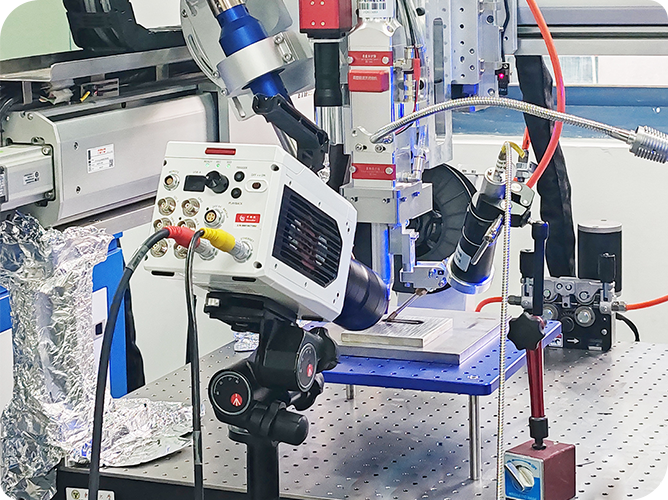
The Gloria 4.2 Scmos camera features a power connector, a USB 3.1 interface, two CXP-12 interfaces, one SMA interface for trigger input, three SMA interfaces for trigger output, and two water cooling

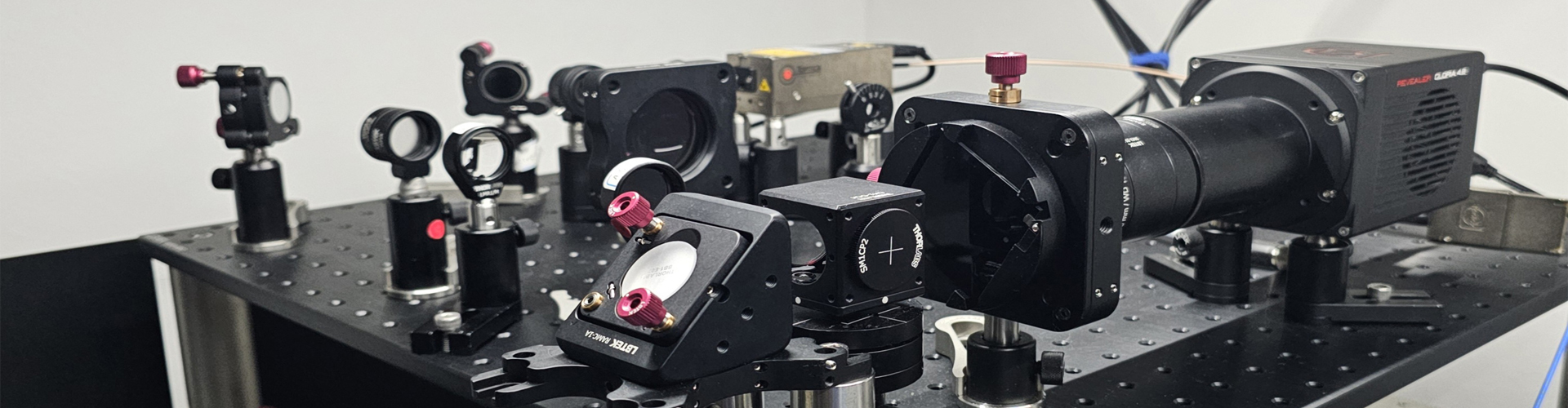
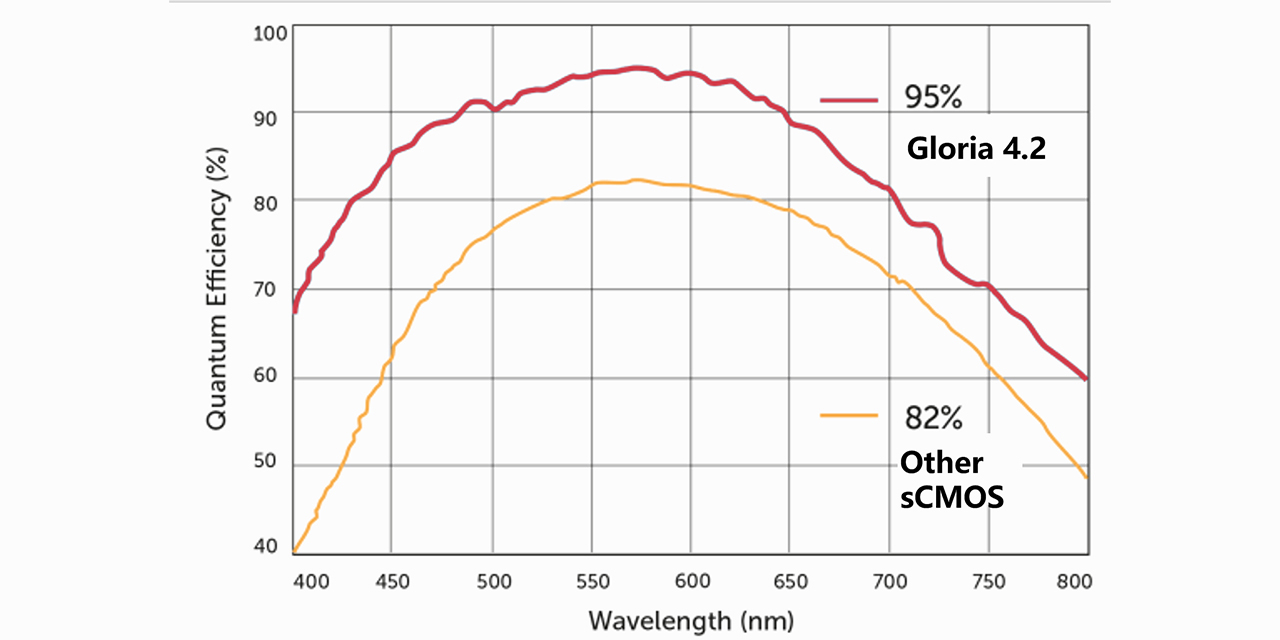
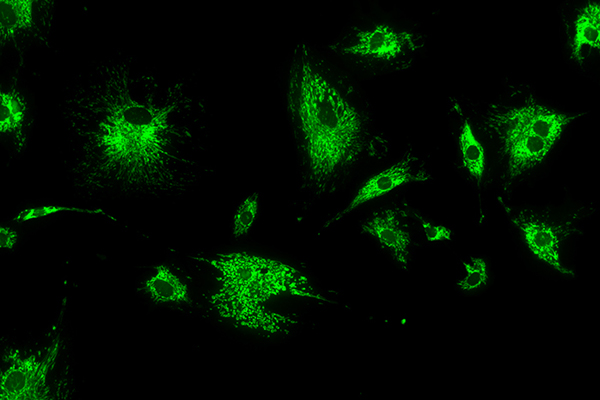
Revealer scientific CMOS cameras feature 95% quantum efficiency (QE), 135 fps at 2048×2048 resolution, and ultra-low 1.2e⁻ read noise. As high-sensitivity CMOS cameras, they are ideal for applications such as cell biology, quantum physics, cold atom research, spectroscopy, microscopy, and astrophotography. Designed with deep cooling and high-speed data transfer, Revealer scientific CMOS cameras deliver superior low-light imaging performance for advanced scientific research.
Equipping multiple labs or facilities with high-performance sCMOS cameras? Our bulk order program delivers exceptional value while maintaining the scientific-grade quality Revealer is known for.
Why Order in Volume from Revealer?
Significant Cost Savings: Structured discounts that increase with order quantity
Consistent Performance: Every camera undergoes identical rigorous testing and calibration
Simplified Procurement: Single vendor, unified support, streamlined documentation
Future-Proof Investment: Compatible software updates and long-term spare parts availability
Request a custom quote for your institution's specific sCMOS camera needs.
 Gloria 6504 is a new-generation back-illuminated sCMOS camera featuring high sensitivity, high frame rate, and high dynamic range. Equipped with Gpixel's scientific-grade image sensor, combined wi...
Read More
Gloria 6504 is a new-generation back-illuminated sCMOS camera featuring high sensitivity, high frame rate, and high dynamic range. Equipped with Gpixel's scientific-grade image sensor, combined wi...
Read More
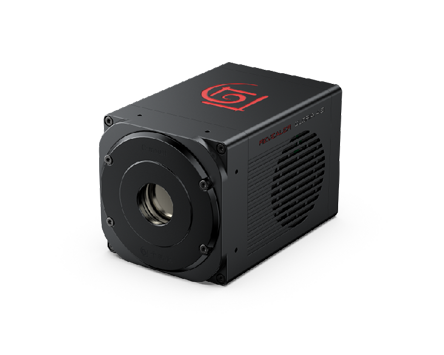 Revealer sCMOS camera Gloria1605 boasts outstanding quantum efficiency, 16μm large pixels, and sub-electron readout noise. It breaks through traditional limitations to tackle challenging photon detection in scientific research, offering precise and efficient imaging to capture faint single-photon signals that would otherwise be lost, enabling deeper scientific insights.
Read More
Revealer sCMOS camera Gloria1605 boasts outstanding quantum efficiency, 16μm large pixels, and sub-electron readout noise. It breaks through traditional limitations to tackle challenging photon detection in scientific research, offering precise and efficient imaging to capture faint single-photon signals that would otherwise be lost, enabling deeper scientific insights.
Read More
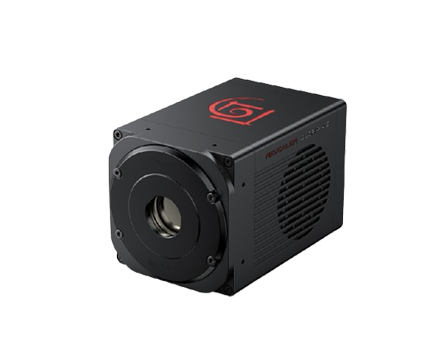 Revealer sCMOS camera Gloria1104 offers 95% peak quantum efficiency, 11μm large pixels, and low-light detection similar to EMCCD. Its 32mm large diagonal field of view broadens its application range, making it ideal for ultra-low-light fields like biology, physics, astronomy, and spectral detection.
Read More
Revealer sCMOS camera Gloria1104 offers 95% peak quantum efficiency, 11μm large pixels, and low-light detection similar to EMCCD. Its 32mm large diagonal field of view broadens its application range, making it ideal for ultra-low-light fields like biology, physics, astronomy, and spectral detection.
Read More
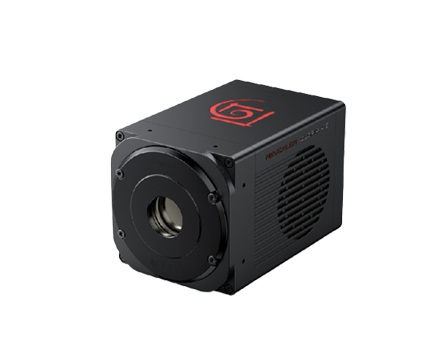 Revealer sCMOS camera Gloria4.2 is a back-illuminated (BSI) sCMOS camera offering high sensitivity, fast frame rates, and wide dynamic range. With a Gpixe scientific-grade sensor, deep-cooled hermetic packaging, and high-speed data transfer, it excels in low-light imaging with high SNR. It is commonly used in life sciences, quantum physics, and other applications, easily integrating into optical detection systems.
Read More
Revealer sCMOS camera Gloria4.2 is a back-illuminated (BSI) sCMOS camera offering high sensitivity, fast frame rates, and wide dynamic range. With a Gpixe scientific-grade sensor, deep-cooled hermetic packaging, and high-speed data transfer, it excels in low-light imaging with high SNR. It is commonly used in life sciences, quantum physics, and other applications, easily integrating into optical detection systems.
Read More
The Gloria 4.2 Scmos camera features a power connector, a USB 3.1 interface, two CXP-12 interfaces, one SMA interface for trigger input, three SMA interfaces for trigger output, and two water cooling
The lens interface is C-mount, and it supports conversion to F-mount via an adapter ring.
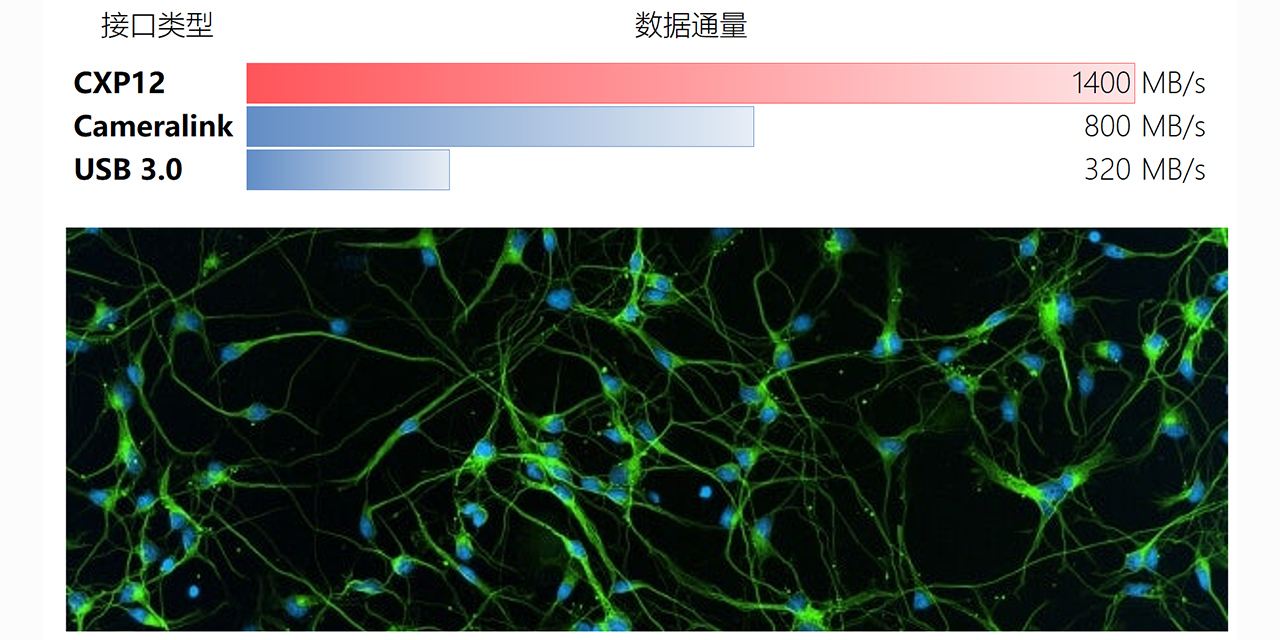
The Gloria 4.2 camera is equipped with a USB 3.1 interface and two CXP-12 interfaces. The USB 3.1 interface is characterized by its ease of use; simply connect the USB cable to the USB 3 port on the computer. The CXP interface, on the other hand, is characterized by its high data transfer rate. When using it, a computer (usually a desktop) needs to be equipped with a CXP frame grabber card, and the camera must be connected to the interface of the CXP frame grabber card using a CXP cable.
The Gloria 4.2 camera offers two methods for secondary development:
One method is to utilize the software SDK provided by the camera software and the demo code.
The other method is to perform secondary development using the GenICam protocol. The Gloria 4.2 camera provides a GenICam-supported .cti file for both USB and CXP modes. Users can also use these two .cti files to conduct secondary development in a manner that complies with the GenICam standard protocol.
The software currently officially supports two models of frame grabber cards, which are shipped randomly. They are the Hikvision MV-GY1004IOL and the ActiveSilicon AS-FBD-4XCXP12-3PE8.
Yes, as a manufacturer, we provide extensive customization options including: alternative sensor configurations, specialized cooling requirements, custom mechanical interfaces, modified firmware for specific triggering schemes, and tailored software SDKs. Minimum order quantities for custom configurations start at 5 units, with engineering support throughout the development process.
All Revealer sCMOS cameras are certified for CE (European Union), FCC (United States), and RoHS compliance. Our manufacturing facility is ISO 9001:2015 certified, ensuring consistent quality control. Additional certifications can be obtained based on specific market requirements with sufficient order volumes.
While EMCCDs excel at single-photon counting, modern sCMOS cameras offer several advantages: higher resolution (up to 4K), faster frame rates (135+ fps), larger field of view, no excess noise factor, and better dynamic range. For most live-cell imaging, super-resolution, and high-throughput applications, sCMOS provides better overall performance.
Yes. Our cameras come with drivers and SDKs compatible with all major imaging software including µManager, Micro-Manager, NIS Elements, ZEN, SlideBook, and custom LabVIEW/MATLAB integrations. We provide comprehensive API documentation for secondary development.